

Scroll Top
4801 Bennett Rd. Toledo, Ohio 43612

Top 10 Glass Insulators You Need in Your Collection?

Collecting Glass Insulators is both an art and a science. These unique objects hold historical significance and aesthetic appeal. For enthusiasts, understanding the value of each piece is crucial. Glass insulators come in different colors, shapes, and sizes. Some are rare, while others are more common. However, they all share a fascinating story.

In this guide, we explore the top 10 glass insulators that every collector should consider. Each insulator offers a glimpse into the past. The craftsmanship involved in creating these pieces is remarkable. Familiarity with their history adds depth to any collection. Collectors often find joy in the hunt for rare finds. Yet, not all insulators hold equal value.

Choosing which ones to acquire can be challenging. Educational resources and expert insights play a vital role in making informed decisions. As we delve into the details, you’ll discover which glass insulators deserve a place in your collection. Remember, each insulator is more than just a decorative piece. It's a connection to the past and a testament to human innovation.
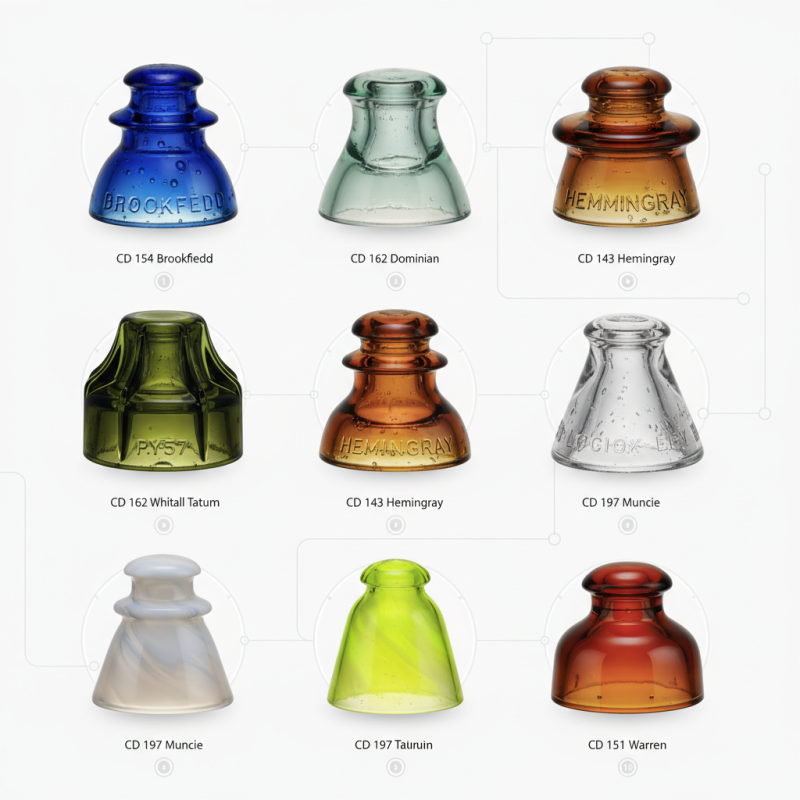
Top 10 Glass Insulators You Need in Your Collection?

The History of Glass Insulators: From Utility to Collectible

Glass insulators have a fascinating history, evolving from necessary utility items to sought-after collectibles. Originally designed in the late 19th century, these insulators were used to support overhead power lines. Their unique shapes and vibrant colors captivated the public's attention. Many collectors appreciate their craftsmanship, which varies from early hand-blown designs to machine-made specimens.

The shift in functionality began with the rise of underground cables. As technology advanced, glass insulators fell out of favor and became relics of the past. However, they didn’t disappear completely; instead, they gained a new life in the world of collecting. Enthusiasts often seek rare colors and designs, creating an intricate network of collectors. Each piece has a story, reminding us of the evolution of communication and power distribution.

While collecting can be highly rewarding, one must be cautious. Fakes and reproductions are prevalent in the market, making it crucial for collectors to educate themselves. Examining the details, such as markings and glass texture, can help identify genuine pieces. Engaging with fellow collectors can provide valuable insights but requires careful consideration of whom to trust. The world of glass insulators is rich with history but is not without its challenges.

Key Features to Look for in Quality Glass Insulators

When collecting glass insulators, understanding their key features can enhance your collection significantly. First, consider the glass quality. Look for insulators that are clear and free of bubbles. High-quality glass tends to be more durable. Different colors can indicate age or rarity. Blues, greens, and amber shades are especially sought after.

Another important feature is the design. Insulators come in various shapes and sizes. Some may have unique patterns or embossing. These details not only add beauty but also reflect their historical significance. Check the base for chips or cracks. Flaws may reduce value, but they can also reveal the insulator's story.

Lastly, pay attention to the size. Compact insulators are easier to display. However, larger pieces can make a bold statement in any collection. Remember, each insulator tells a tale from a different time and place. Collecting them isn’t just about the items; it’s about preserving history. Growth often involves recognizing what isn't perfect in your collection, aspiring for improvement along the way.

Top 10 Must-Have Glass Insulators for Every Collector

Glass insulators are a captivating niche for collectors, blending history and artistry. Among the top must-have items is the classic aqua insulator, known for its beautiful blue hue. These insulators, used for telegraph and telephone lines, spark nostalgia and admiration among enthusiasts. Each piece has a story, often whispering tales of communication from a bygone era.


Another essential addition is the clear glass insulator. While it may seem simple, its clarity allows for close examination of its imperfections. Tiny bubbles and swirls reveal the manufacturing process of the time. Collectors appreciate these unique features, as no two insulators are identical. They also serve as reminders of craftsmanship before the age of mass production.


Focusing on rarity, the embossed designs are highly sought after. These insulators stand out visually and hold historical significance. Collectors love to learn about the various markings. While some pieces may have slight chips or scratches, these flaws provide character and reflect their journey. Each crack evokes a sense of nostalgia, offering rich reflections on the past.

Tips for Preserving and Displaying Your Glass Insulator Collection

Building a glass insulator collection can be a rewarding hobby. However, preserving and displaying these beautiful pieces requires careful planning. Start by ensuring that each insulator is clean. Use a gentle solution of soap and water. Avoid harsh chemicals as they can damage the glass.

When displaying your insulators, consider using a variety of heights and arrangements. Group similar colors or styles for visual appeal. However, don't overcrowd the display area. Leave space between pieces to let each one shine. Natural light can show off the glass's beauty, but be cautious of prolonged exposure. UV rays can fade colors and weaken glass over time.

Regularly evaluate your collection for any signs of damage. Look for chips or cracks. Sometimes insulators can develop cloudiness, which may require special cleaning techniques. Documenting your collection can also enhance your experience. Take pictures and note details like age and provenance. This can help you reflect on your collection's journey and future directions. It’s all about creating an arrangement that not only showcases the insulators but also tells a story.

Understanding the Value and Rarity of Glass Insulators in Collecting

Collecting glass insulators can be a rewarding hobby. The value and rarity of these pieces can vary greatly. Factors that influence this include the color, condition, and historical significance. Some rare colors, like amber or blue, can escalate the price dramatically. Understanding these details is crucial for collectors.

Tips for starting your collection: Research local flea markets or online auctions. You might find hidden gems without much competition. Remember, patience is key. Not every purchase will be a great deal. Sometimes, you may overpay for an insulator that isn't as rare as it seems.

Consider joining local collector clubs or online forums. Engaging with fellow enthusiasts can provide valuable insights. Learning from others’ experiences can help avoid common pitfalls. Always scrutinize the condition of each piece. Scratches or chips can significantly decrease their value. Each insulator tells a story—understanding its background adds depth to your collection.