

Scroll Top
4801 Bennett Rd. Toledo, Ohio 43612

Top Tips for Sourcing SMT Peripheral Equipment Efficiently?

In the competitive landscape of electronics manufacturing, efficient sourcing of Smt Peripheral Equipment is essential. According to a recent report by the Institute of Printed Circuits, companies can reduce costs by up to 30% through smarter sourcing strategies. This statistic highlights the importance of not just purchasing equipment, but doing so wisely.

Industry expert Dr. Emily Tran, a leading voice in SMT technology, states, “The right peripherals can drastically enhance production efficiency.” Her insight underscores how pivotal these components are. Effective sourcing goes beyond simple procurement; it requires understanding the specific needs of production lines and aligning them with the right equipment.

Yet, many organizations overlook critical factors. They might rush their decisions or fail to evaluate long-term implications. This approach can lead to unexpected costs or inefficiencies down the line. Achieving excellence in sourcing SMT Peripheral Equipment means prioritizing informed decision-making and strategic partnerships. It isn't simply about finding the lowest price; it's about finding the best fit for operational needs.
Top Tips for Sourcing SMT Peripheral Equipment Efficiently?

Understanding SMT Peripheral Equipment and Its Importance in Manufacturing

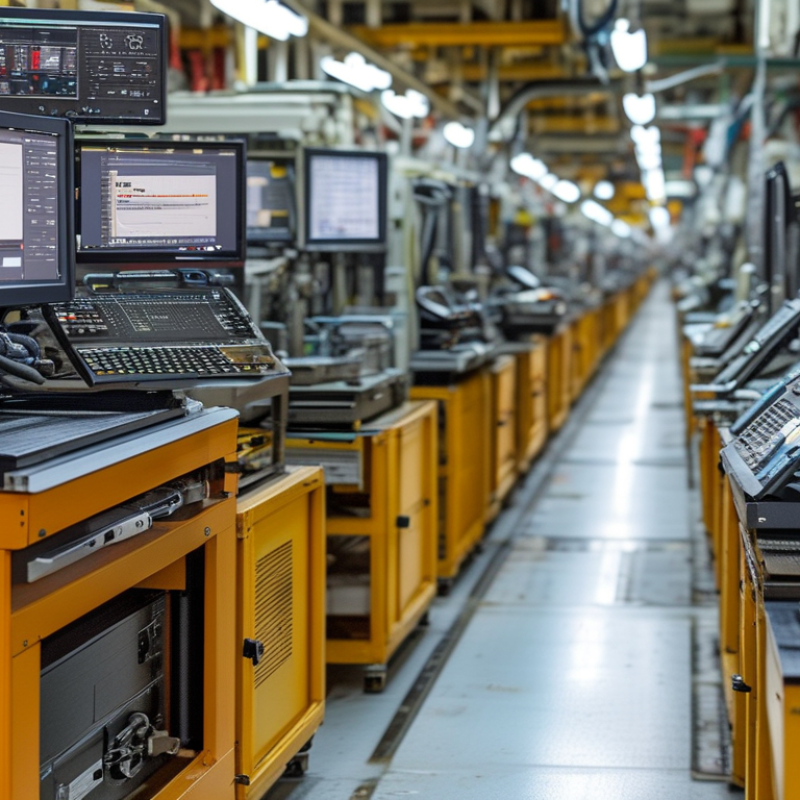
In the manufacturing industry, SMT (Surface Mount Technology) peripheral equipment plays a crucial role. These tools enable the assembly of electronic components onto circuit boards efficiently. Understanding the variety of peripherals available can significantly enhance production effectiveness. These tools include pick-and-place machines, inspection systems, and reflow ovens, each serving a specific purpose in the assembly line.

Selecting the right SMT equipment is not just about functionality but reliability as well. It's essential to consider factors like accuracy and speed. A flawed machine can cause production delays and increased costs. Experienced manufacturers suggest conducting thorough research to understand the equipment's performance history. This approach helps in making informed decisions that align with production goals.

Manufacturers must keep in mind that technology evolves constantly. Staying updated with industry trends is vital. Sometimes, older machines may seem reliable, but they might lack advanced features that newer models offer. Hence, manufacturers should regularly assess their equipment to ensure they are not falling behind. Having a balance between proven equipment and new advancements can drive efficiency and quality.

Top Tips for Sourcing SMT Peripheral Equipment Efficiently

This chart illustrates the average delivery time from various suppliers of SMT peripheral equipment. Efficient sourcing can significantly affect production timelines and manufacturing efficiency.

Key Factors to Consider When Sourcing SMT Equipment for Efficiency

When sourcing Surface Mount Technology (SMT) peripheral equipment, several key factors merit close attention for efficiency. Understanding your production needs is crucial. Analyze the specific types of assemblies you will create. This clarity will guide your equipment choices, ensuring they meet your operational demands effectively.

Consider the compatibility of equipment with existing systems. Misalignment can lead to errors and increased downtime. Look for machinery that provides flexibility for different applications. This can enhance your production line's versatility and adaptability to changing demands.

Assessing supplier reliability is essential. Research their reputation in the industry. Read customer reviews, and seek recommendations to gauge past performance. Communication with suppliers can reveal their willingness to support long-term relationships. Remember, a lower initial cost might come with hidden expenses later. Therefore, balance cost against quality and support when making decisions. These reflections can lead to better sourcing choices and ultimately improve operational efficiency.

Top Tips for Sourcing SMT Peripheral Equipment Efficiently

Dimension Description Importance Examples
Budget The total amount allocated for SMT equipment procurement. High Cost comparison analysis
Supplier Reliability The history and reputation of the suppliers in terms of delivery and support. Critical References from existing customers
Technical Specifications Details about the capabilities and features of the equipment. High Comparative reports
Lead Time The time taken from placing an order to receiving the equipment. Medium Expected delivery times
After-sales Support Availability of technical assistance and service post-purchase. High Warranty and repair services

Evaluating Supplier Capabilities: Quality Standards and Certifications

When sourcing SMT peripheral equipment, evaluating supplier capabilities is crucial. Quality standards and certifications serve as benchmarks. They indicate a supplier's commitment to excellence. Look for suppliers who are ISO certified. This certification ensures that the manufacturer adheres to recognized quality management practices.

In addition to certifications, examine the supplier’s history. A reliable supplier should have a proven track record with varied clients. Check for customer reviews and case studies. These testimonials provide insight into their reliability and service quality. Avoid suppliers with vague references or limited experience.

It's also essential to probe deeper into their quality assurance processes. Understand how they manage defects and returns. A solid approach demonstrates a supplier's focus on maintaining standards. However, be wary of suppliers that guarantee perfection. No system is foolproof. Regular feedback and open communication can help in addressing concerns efficiently.

Cost Analysis: Balancing Price and Performance in SMT Equipment Sourcing

When sourcing SMT (Surface Mount Technology) peripheral equipment, a cost analysis is crucial. Buyers often face the challenge of balancing price with performance. It’s easy to be tempted by lower prices. However, lower costs may lead to reduced quality and efficiency. Assess use cases to determine actual needs. Consider how much production capacity is necessary before making decisions.

One tip is to evaluate the total cost of ownership, not just the sticker price. This includes maintenance, potential downtimes, and energy consumption. Another common mistake is neglecting the importance of supplier reliability. Choose suppliers who have proven customer support. This can safeguard you from unexpected technical issues that can be costly.

Finally, always gather feedback from existing users. Their insights on performance and durability can guide you in the right direction. Engaging with industry professionals can shed light on hidden costs or benefits. Balancing price and performance requires diligence and insight; every decision impacts production efficiency.

Leveraging Technology: Tools and Platforms for Efficient Sourcing Processes

Efficient sourcing of SMT peripheral equipment can greatly benefit from advanced technology. Platforms that integrate data analytics and real-time monitoring can streamline decision-making. Reports indicate that 75% of organizations using these tools see enhanced sourcing efficiency. Utilizing cloud-based solutions allows teams to collaborate seamlessly, regardless of their location. This flexibility often leads to faster procurement cycles.

Data from industry surveys shows that companies leveraging AI in sourcing processes reduce costs by up to 20%. AI algorithms can analyze supplier performance, predict delays, and suggest alternatives. However, many companies still rely on outdated methods. This reluctance can hinder sourcing efficiency and innovation.

Additionally, becoming overly dependent on technology presents risks. Concerns about data security and system failures are valid. Organizations must regularly assess their tech investments. Balancing technology with human insight remains crucial for optimal sourcing strategies. Effective decision-making requires drawing on both quantitative data and qualitative experience.