

Scroll Top
4801 Bennett Rd. Toledo, Ohio 43612

7 Tips for Choosing the Right Butterfly Valve?

Choosing the right butterfly valve is not a simple catalog exercise. A valve may look suitable on paper, yet fail under abrasive slurry, steam cycling, or frequent throttling. The important details often sit behind the product photograph: pressure class, temperature range, seat material, disc design, shaft sealing, and actuator torque.

Industry standards provide a reliable starting point. API Standard 609 covers key butterfly valve designs used in process and pipeline service. ISO 5211 defines actuator mounting interfaces, helping engineers match valves with electric or pneumatic drives. ASME B16.34 also supports pressure–temperature evaluation. These standards reduce guesswork, but they do not replace application-specific judgment.

The 2024 UN World Water Development Report highlights growing pressure on water systems and infrastructure reliability. Meanwhile, the International Energy Agency’s World Energy Outlook 2024 describes continued investment across energy networks and industrial facilities. These trends increase demand for compact, serviceable flow-control equipment. Still, bigger demand does not make every valve appropriate.

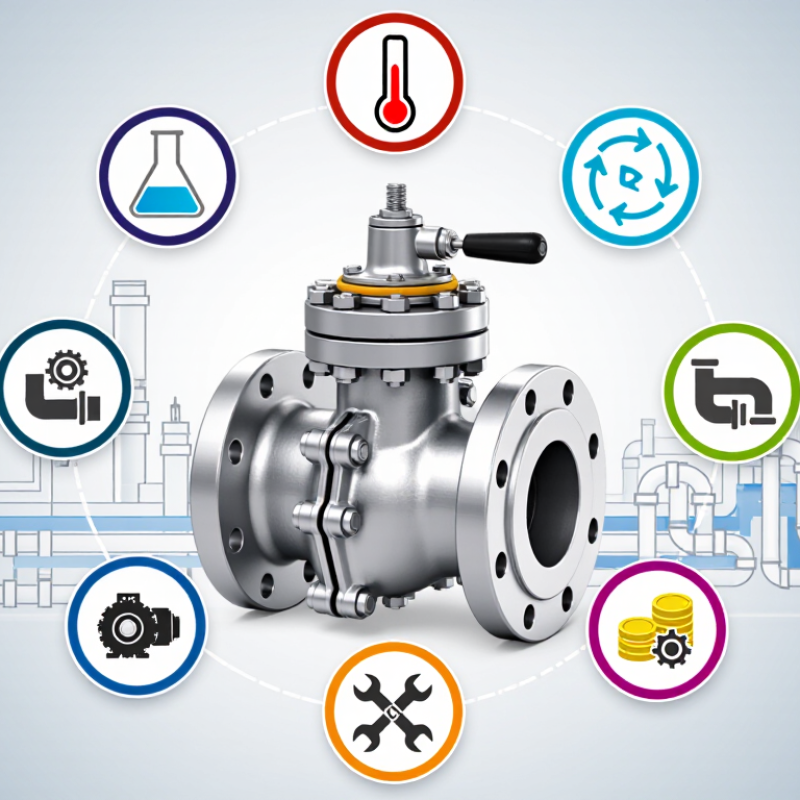
A useful selection process must connect real operating conditions with documented performance. Seven practical checks can help: media compatibility, pressure and temperature, flow control, end connection, actuation, maintenance access, and lifecycle cost. Small mistakes matter.

A mismatched elastomer can swell. An undersized actuator can stall. A poorly chosen disc may create unnecessary pressure loss. Field experience also shows an uncomfortable truth: the cheapest butterfly valve is rarely the cheapest system component. This guide examines each decision carefully, using recognized standards, manufacturer data, and realistic operating details. Some assumptions may still need verification. That is exactly why they should be challenged before purchase.
7 Tips for Choosing the Right Butterfly Valve?

Identify the Application and Required Valve Function

Choosing the right butterfly valve starts with the application, not the catalog photograph. I have seen a DN100 valve selected correctly in size but poorly matched to sticky wastewater. The disc collected solids, and the actuator struggled during shutdown. Describe the fluid clearly: water, air, slurry, chemicals, or food-grade liquid. Note its temperature, pressure, viscosity, and suspended particles.

Small details matter.

Then define the required valve function. Is it for isolation, throttling, or emergency shutoff? A resilient-seated design may suit clean, moderate-pressure water service. A high-performance design can provide tighter control at higher temperatures, but it may cost more and require careful maintenance. For abrasive slurry, inspect disc and seat materials instead of trusting general descriptions.

If flow must be regulated often, check the control range and torque curve. Full open-and-closed duty is different.

Consider what happens when power or air fails. The valve may need to close, open, or remain in its last position. Confirm actuator sizing against maximum differential pressure, not normal pressure alone. I once underestimated startup torque; the valve worked during testing, then stalled after deposits formed. That experience changed my checklist.

Review applicable codes, connection dimensions, and maintenance access with a qualified engineer. A practical site review is worth more than a rushed selection. Even careful reviews can miss unusual solids or seasonal temperature changes.

Leave room for inspection.

Match Valve Materials to the Fluid and Operating Environment

7 Tips for Choosing the Right Butterfly Valve?

Start with the fluid. A valve handling clean water faces a different threat from seawater, acid, solvent, or abrasive slurry. Match the body, disc, stem, and seat to the fluid’s chemistry. EPDM suits many water services, while PTFE often handles stronger chemicals better. Neither choice is universal. Temperature changes everything. Check concentration, pressure, operating temperature, and cleaning chemicals before selecting materials. ISO 21457 emphasizes systematic material selection for process environments.

Corrosion is expensive, not merely inconvenient. The NACE IMPACT study estimated global corrosion costs at 2.5 trillion dollars annually, equal to about 3.4% of global GDP. It also indicated that 15–35% of corrosion costs could be reduced through effective control practices. A valve’s wet surface deserves the same attention as the pipe. For seawater, duplex stainless steel or suitable high-alloy materials may outperform ordinary stainless steel. For abrasive slurry, a resilient seat can fail quickly if solids become trapped.

Check compatibility charts, then question them. Small leaks escalate. I have seen specifications ignore shaft exposure, gasket swelling, or intermittent service. Those oversights can defeat an otherwise careful design. API 609 provides useful requirements for butterfly valves, but it cannot replace site-specific review. Consider galvanic contact between dissimilar metals, external humidity, ultraviolet exposure, and cleaning cycles. A practical selection record should state the fluid, temperature range, solids content, expected cycle count, and inspection plan. That detail may feel excessive. It is often what prevents an expensive replacement.

Check Pressure, Temperature, and Flow Requirements

Choosing the Right Butterfly Valve: Check Pressure, Temperature, and Flow Requirements

Choosing a butterfly valve starts with real operating conditions, not only pipe diameter. Check the normal pressure and the highest possible pressure. Include pump-start surges, pressure spikes, and temporary shutdown conditions. The valve rating should exceed these values with a reasonable safety margin. A valve that handles routine pressure may fail during sudden changes. Verify pressure data from current system records, not memory.

Temperature affects the body, disc, shaft, and seat materials. Confirm both the minimum and maximum process temperatures. Hot fluids can harden or damage unsuitable seats. Cold service can make some materials brittle. Also check whether the fluid contains chemicals, solids, or suspended particles. Compatibility tables and verified technical data provide stronger guidance than general assumptions.

Flow requirements matter just as much. Calculate the required flow rate, pressure drop, and control range. An oversized valve may operate poorly near its closed position. An undersized valve can restrict flow and create unnecessary energy loss.

I once selected a valve by matching line size alone. That shortcut was wrong. Review the valve’s flow coefficient, operating torque, and actuator capacity. Check whether the valve will isolate, regulate, or perform both duties.

Test the assembly under realistic pressure and temperature conditions when possible. Leave space for inspection and replacement. My practical check is simple: compare design data, site conditions, and maintenance records before approval. Small differences often expose the real problem.

Choose the Right Actuation and Control Method

7 Tips for Choosing the Right Butterfly Valve?

Choose the Right Actuation and Control Method

When choosing a butterfly valve, the actuator deserves as much attention as the valve body. Manual handles suit small, infrequent adjustments, but they become tiring in tight plant spaces. Gear operators add leverage and slower movement. For frequent cycling, pneumatic or electric actuation usually offers better repeatability. Speed matters. Fast closure can protect a process, yet it may create pressure surges in long pipelines. Confirm the required torque at the valve’s worst operating condition, not only during clean, new operation.

Control requirements should guide the actuator type. A simple open-close signal may suit isolation service. Modulating service needs accurate positioning, stable response, and reliable feedback. Check the control signal, available power, enclosure rating, and emergency position before installation. Pneumatic systems often require clean, dry air and a correctly sized solenoid valve. Electric units need suitable wiring, protection, and enough starting torque. Small details matter.

Field commissioning often reveals overlooked problems. A valve may move correctly on a bench but hunt during real flow. Incorrect feedback calibration can also show a false open position. Specify fail-open or fail-closed action according to process risk, not habit. Leave room for maintenance access. It is tempting to select the fastest actuator, but that choice may increase wear or water hammer. Recheck the operating cycle, torque margin, and control logic together. The first selection is not always the right one.

Verify Standards, Installation Space, Maintenance, and Cost

7 Tips for Choosing the Right Butterfly Valve

Verify the pressure and temperature rating against ASME B16.34, not a supplier’s short description. Check ISO 5208 test requirements for leakage performance. Match the disc, seat, and shaft materials to the actual fluid. Water, steam, chemicals, and abrasive slurry demand different choices. Confirm the pipeline’s nominal size and flange standard. A cheap mismatch can become an expensive shutdown.

Measure the installation space before ordering. Leave room for the disc edge, actuator, bolts, and future removal. I have seen valves fit the pipe but block a nearby cable tray. That mistake is avoidable. Check whether the actuator needs vertical clearance or manual access. Then plan maintenance: inspect the seat, cycle the valve periodically, and record torque changes. The U.S. EPA’s 7th Drinking Water Infrastructure Needs Survey estimates $625 billion in drinking-water investment over 20 years. Reliable access protects that investment.

Compare total cost, not purchase price. Include the actuator, gasket, installation labor, inspection, energy loss, and replacement time. A valve with lower purchase cost may create higher operating costs. Request documented test results and traceable material certificates. Ask for spare-seat availability. That detail matters. Industry guidance often understates site conditions, and my own selection reviews have missed access issues before. Allow a final field check before approval. Sources: ASME B16.34, ISO 5208, U.S. EPA Drinking Water Infrastructure Needs Survey and Assessment, 2023.

7 Tips for Choosing the Right Butterfly Valve? - Verify Standards, Installation Space, Maintenance, and Cost

No. Selection Tip What to Verify Practical Selection Criteria Why It Matters
1 Confirm the Applicable Standards Check the required design, face-to-face, flange, pressure-testing, and material standards for the project. EN 593 API 609 ISO 5752 ASME B16.5
Confirm that the selected standard matches the piping system and local regulations.
Correct standards help ensure dimensional compatibility, predictable testing requirements, easier inspection, and safer integration with existing piping.
2 Match Pressure and Temperature Ratings Review the maximum operating pressure, pressure class, fluid temperature, pressure surges, and shut-off requirements. Select a pressure rating equal to or higher than the system design pressure. Confirm seat and disc materials for the complete operating temperature range. A valve rated only for normal conditions may fail during start-up, water hammer, thermal expansion, or other temporary operating events.
3 Choose the Correct Valve and Seat Materials Identify the fluid composition, concentration, abrasiveness, cleanliness, corrosion potential, and required leakage performance. Compare body, disc, shaft, liner, and seat materials. For corrosive or abrasive services, request compatibility data and service limitations. Material compatibility reduces corrosion, swelling, erosion, contamination, and premature leakage while improving service life.
4 Measure Installation Space and Orientation Check pipe size, flange type, face-to-face dimension, actuator clearance, stem orientation, nearby supports, and insulation thickness. Allow sufficient room for actuator removal, bolt access, disc rotation, inspection, and safe operation. Verify that the disc will not interfere with internal pipe components. Adequate clearance prevents installation delays, disc obstruction, inaccessible fasteners, and difficult future maintenance.
5 Select the Appropriate Actuation Method Determine whether the valve will use a lever, gearbox, pneumatic actuator, electric actuator, or another control arrangement. Size the actuator for maximum breakaway torque, running torque, shut-off conditions, safety factor, control signal, fail position, and operating frequency. Proper actuation provides reliable positioning and prevents undersized actuators, excessive energy use, slow response, or damage to the valve stem.
6 Plan for Maintenance and Inspection Review access to fasteners, actuator components, seat areas, stem seals, isolation points, and any replaceable parts. Prefer designs with documented inspection procedures, accessible service components, available replacement parts, and clear maintenance intervals. Maintainable equipment reduces downtime, simplifies troubleshooting, improves safety, and lowers the total cost of ownership.
7 Evaluate Total Cost, Not Purchase Price Alone Compare purchase cost with installation, actuation, energy consumption, inspection, spare parts, downtime, and expected service life. Assess lifecycle cost over the planned service period. Confirm warranty terms, documentation, testing records, delivery time, and technical support requirements. A slightly higher initial cost can be economically preferable when it delivers longer service life, fewer failures, lower maintenance, and reduced operational risk.
Selection reminder: Final valve selection should be based on the actual process fluid, design conditions, piping configuration, control requirements, applicable standards, and site maintenance procedures.

Article Source: