

Scroll Top
4801 Bennett Rd. Toledo, Ohio 43612

7 Tips for Choosing Cannabis Gummies Container Packaging

Choosing a Cannabis Gummies Container is no longer a cosmetic decision. It affects product protection, consumer confidence, and regulatory readiness. Gummies can soften, stick, or lose their shape when exposed to heat and humidity. A weak closure can also compromise freshness during transport.

Industry data shows why packaging deserves careful planning. Grand View Research identifies cannabis packaging as a rapidly expanding market, driven by regulated sales and stricter packaging expectations. Its market analysis highlights sustainability, product protection, and compliance as major purchasing factors. The Brightfield Group also reports continued growth in legal cannabis consumer markets, increasing pressure on brands to create reliable, recognizable packages. These reports point to one practical truth: packaging now supports both operations and brand credibility.

Details matter.

A well-designed container should help control moisture, resist accidental opening, and protect gummies from crushing. Child-resistant features must be tested through recognized standards, such as ISO 8317 or applicable national requirements. Materials should also suit food-contact use and avoid unwanted odor transfer. Experienced packaging teams usually test the container with real gummies, not empty samples. That step can reveal sticking, oil migration, or label failure.

Still, no package is perfect. A heavier jar may feel premium but increase shipping emissions. A lightweight pouch may reduce material use but offer less rigidity. The right choice depends on product texture, distribution conditions, shelf-life goals, and local rules. The following seven tips examine these trade-offs with practical, evidence-based guidance for selecting a safer, more dependable Cannabis Gummies Container.
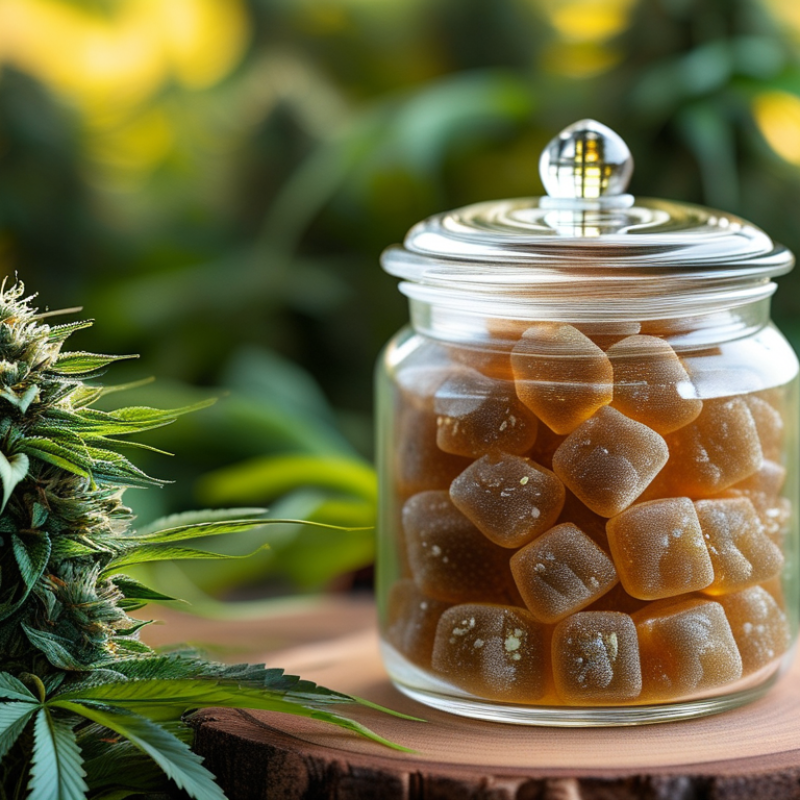
7 Tips for Choosing Cannabis Gummies Container Packaging

Define Packaging Requirements for Cannabis Gummies

7 Tips for Choosing Cannabis Gummies Container Packaging

Define packaging requirements before comparing containers. Record gummy size, count, serving format, storage temperature, and expected shelf life. A practical specification should also address moisture, oxygen, light, odor transfer, tamper evidence, and child-resistant performance where regulations require it. Sugar-based gummies can become sticky when humidity enters. Some materials also absorb aromas or weaken after repeated opening.

Tip: Test the filled package, not only the empty container. Measure moisture migration, seal strength, drop resistance, and label adhesion under realistic conditions. Keep samples at room temperature and higher humidity. That assumption can fail. McKinsey’s 2023 global packaging survey found that 60 percent of consumers consider recyclability a leading sustainability attribute. Therefore, define recycled content, material separation, and disposal instructions early. However, recyclability claims need evidence, not attractive wording.

Tip: Build a compliance file for every packaging component. Include supplier specifications, food-contact documentation, migration results, batch codes, and artwork approvals. Confirm that the closure and opening design match applicable local requirements. Use an independent laboratory when testing affects safety or market access. Smithers’ 2024 packaging forecast highlights rising pressure for lighter materials and measurable sustainability claims. A lighter container is not automatically better. If it cracks during transport or loses its seal, the environmental and quality costs increase. Review the design after pilot filling, warehouse handling, and consumer-use trials.

Choose Materials That Protect Quality and Meet Safety Standards

7 Tips for Choosing Cannabis Gummies Container Packaging

Packaging material directly affects gummy quality, user safety, and storage performance. A practical evaluation should begin with food-contact compliance. Choose materials supported by supplier documentation and relevant safety testing. Glass offers strong chemical resistance and a premium feel. However, it can break during transport. High-quality plastic may reduce breakage, but its barrier performance varies by resin and design.

Light, oxygen, and moisture can change texture, color, and flavor. Use an opaque or UV-resistant container when light-sensitive ingredients need protection. A tight seal helps prevent gummies from becoming sticky or dry. Check the liner, closure, and container as one system. They must work together. A moisture absorber may help, but it cannot correct poor sealing. Test packages under heat, humidity, and repeated opening conditions.

Safety features deserve equal attention. Select closures that support applicable child-resistant requirements and include clear tamper evidence. Confirm that inks, adhesives, and coatings will not contact the gummies or migrate into them. Request certificates, migration data, and batch records from packaging suppliers. Do not rely on appearance alone. A container may look secure yet fail after temperature cycling. Even experienced teams can overlook a small gap around the lid. Careful testing, documented inspections, and honest review of weak points create more reliable packaging choices.

7 Tips for Choosing Cannabis Gummies Container Packaging

Choose materials that protect quality and meet safety standards.

Qualitative 1–5 ratings summarize common packaging considerations: moisture barrier, light protection, durability, recyclability, and suitability for child-resistant closures. Final packaging should be validated through applicable regulatory, migration, moisture, and child-resistance testing.

Match Container Design With Product Size and Consumer Needs

Container design should begin with product dimensions, not a fashionable silhouette. A 10-piece gummy pack needs less volume than a 60-piece pack. Extra headspace wastes material, increases movement, and can make the product feel underfilled. A PMMI industry report identifies child-resistant features, accurate information, and flexible formats as major packaging priorities. Size the container around gummy count, net weight, and protective components. Keep it simple.

For small packs, a compact, wide-mouth container can improve access for adults with limited hand strength. Larger packs may need a stronger closure, stable base, and clearer label hierarchy. A 2023 Smithers report projects the global sustainable packaging market could exceed 500 billion dollars by 2028. That outlook makes lightweighting important, but thinner plastic is not automatically better. It may deform, leak, or fail during transport. Attractive containers can also become awkward when labels cover closures or lids require excessive force. Test opening, resealing, stacking, and drop resistance with real users.

Consumer needs include storage habits. Opaque walls may protect light-sensitive contents, while tamper-evident seals provide visible reassurance. NielsenIQ’s 2023 sustainability research found that 78% of respondents consider sustainability important in daily life. Still, recyclable claims require local verification. A smaller container with honest material information may outperform a larger “green” package. Review the design after testing. The first version is rarely perfect.

7 Tips for Choosing Cannabis Gummies Container Packaging - Match Container Design With Product Size and Consumer Needs
Tip Packaging Format Typical Product Size Indicative Container Capacity Recommended Design Features Best Fit for Consumer Needs Key Selection Considerations
1 Small Wide-Mouth Jar 10–20 gummies
Approximately 20–60 g net product weight
60–120 mL Short profile, stable base, wide opening, induction seal, and child-resistant closure where required Trial packs, low-dose products, and consumers who prefer a compact container Choose an internal diameter that allows easy access without creating excessive empty space.
2 Medium Round Jar 30–60 gummies
Approximately 90–180 g net product weight
150–300 mL Balanced height-to-width ratio, tamper-evident seal, moisture-resistant liner, and readable label area Standard retail sizes and regular users who want a practical, easy-to-store package Leave sufficient headspace for safe filling and prevent gummies from being compressed during handling.
3 Large Family-Size Jar 75–120 gummies
Approximately 225–360 g net product weight
350–500 mL Rigid walls, reinforced closure, wide base, strong seal, and durable label or direct-print decoration Frequent users, value packs, and households requiring a larger supply A larger container should remain easy to grip and should not feel unstable when partially full.
4 Slim Portable Container 10–30 gummies
Approximately 30–90 g net product weight
75–150 mL Compact rectangular or cylindrical body, leak-resistant closure, rounded edges, and pocket- or bag-friendly dimensions On-the-go consumers, commuters, and users who prioritize portability Use a secure closure and protective inner seal to reduce the risk of accidental opening during transport.
5 Single-Serve or Multi-Compartment Pack 1–10 gummies per unit
Approximately 5–30 g net product weight
Individual cavity, sachet, blister, or 30–100 mL outer pack Portion separation, clear serving identification, tamper evidence, and easy-open features that remain secure in storage Controlled portions, sampling, travel, and consumers who want convenient dose organization Separate pieces when necessary to reduce sticking and help consumers identify individual servings.
6 Opaque Light-Blocking Container 20–100 gummies
Approximately 60–300 g net product weight
120–400 mL Opaque walls, tight-fitting closure, moisture barrier, induction seal, and a label with clear storage instructions Products requiring additional protection from light, heat, humidity, or visual exposure Select packaging materials and liners according to the product formula, storage conditions, and applicable testing requirements.
7 Premium Reusable-Style Container 30–90 gummies
Approximately 90–270 g net product weight
200–400 mL Thick-wall construction, refined surface finish, durable closure, tamper-evident component, and removable or recyclable label system Giftable products and consumers who value presentation, durability, and potential reuse Confirm that the design supports applicable child-resistant, labeling, recycling, and tamper-evident requirements before production.

Evaluate Child Resistance, Accessibility, and Regulatory Compliance

Choosing cannabis gummies container packaging requires more than attractive graphics. In regulated markets, child resistance should be verified through documented testing, not assumed from a tight lid. Look for a closure that requires two deliberate actions, such as pressing and turning. The container should also include tamper evidence, clear batch details, and space for required warnings.

Accessibility deserves equal attention. A package can protect children yet frustrate older adults or people with limited hand strength. Test the closure with dry hands, gloves, and reduced grip pressure. Use readable contrast and a label that remains clear after refrigeration. Avoid tiny instructions. Keep opening steps short. A simple tactile feature can help users identify the correct side without guessing.

Regulatory compliance varies by location, and packaging rules may change. Confirm requirements with the relevant authority, qualified compliance adviser, and independent testing laboratory. Check material safety, product-contact suitability, child-resistance records, and labeling dimensions. Do not rely only on a supplier’s verbal assurance. Request current documentation.

There is room for improvement.

In practical reviews, teams sometimes test packaging only in ideal conditions. That is a mistake. Gummies may leave oil on the inner seal, while condensation can make surfaces slippery. Repeating tests under realistic storage and handling conditions reveals weaknesses earlier. A slightly larger label or easier grip may improve accessibility without reducing child resistance.

Compare Sustainability, Branding, and Packaging Costs

7 Tips for Choosing Cannabis Gummies Container Packaging

Compare Sustainability, Branding, and Packaging Costs

Tip 1: Begin with material performance, not appearance. Glass feels premium, but it adds weight and shipping emissions. Recycled plastic may reduce breakage, though recycling access varies by region.

Tip 2: Check the container’s barrier protection. Light, oxygen, and moisture can affect texture and freshness. A packaging engineer should confirm compatibility with the product and closure.

Tip 3: Let branding stay clear and restrained. A matte finish, readable typography, and one strong color can create shelf recognition.

Tip 4: Use the label area carefully. It should support required information without looking crowded. A useful design review includes viewing the container from several feet away. Small details matter.

Tip 5: Compare the full packaging cost, not only the unit price. Include labels, caps, inserts, freight, storage, and filling time. Lightweight containers may lower transport costs, but they can require stronger secondary packaging.

Tip 6: Request samples before placing a large order. Test sealing, stacking, opening, and label adhesion under realistic conditions. Cheap packaging can become expensive after failures.

Tip 7: Ask whether the sustainability claim can be verified. “Eco-friendly” sounds attractive, but it may lack measurable evidence. Look for recycled content, reusable features, or documented material data.

No option is perfect. A thoughtful choice balances protection, identity, waste, and budget. My preference may change after testing, which is exactly why assumptions deserve review.