

Scroll Top
4801 Bennett Rd. Toledo, Ohio 43612

10 Tips to Choose an Automatic Feeding Gluing Machine?

Choosing the right Automatic Feeding Gluing Machine can shape production speed, product quality, and daily operating costs. A poor choice may create uneven glue lines, frequent jams, and wasted packaging materials. The machine must match your products, factory space, material thickness, and expected output.

This guide presents ten practical tips for evaluating an Automatic Feeding Gluing Machine before purchase. It considers feeding accuracy, adhesive compatibility, folding performance, machine speed, adjustment time, safety features, and after-sales support. These details matter on a busy packaging line, where a small alignment error can affect thousands of cartons. Check the machine with your actual paperboard samples, not only attractive showroom materials. Watch how it handles narrow blanks, coated surfaces, and changing carton sizes.

Experience also shows that the fastest machine is not always the best investment. A high-speed model may require skilled operators and more demanding maintenance. Ask for operating videos, test results, spare-parts information, and realistic production data. Reliable manufacturers should explain limitations clearly. That builds trust.

No checklist is perfect. Your production conditions may reveal unexpected issues. Leave room for testing and careful review. The right decision should support stable output, clean bonding, simple adjustments, and long-term value. Small details often decide whether a machine becomes a dependable asset or an expensive complication.
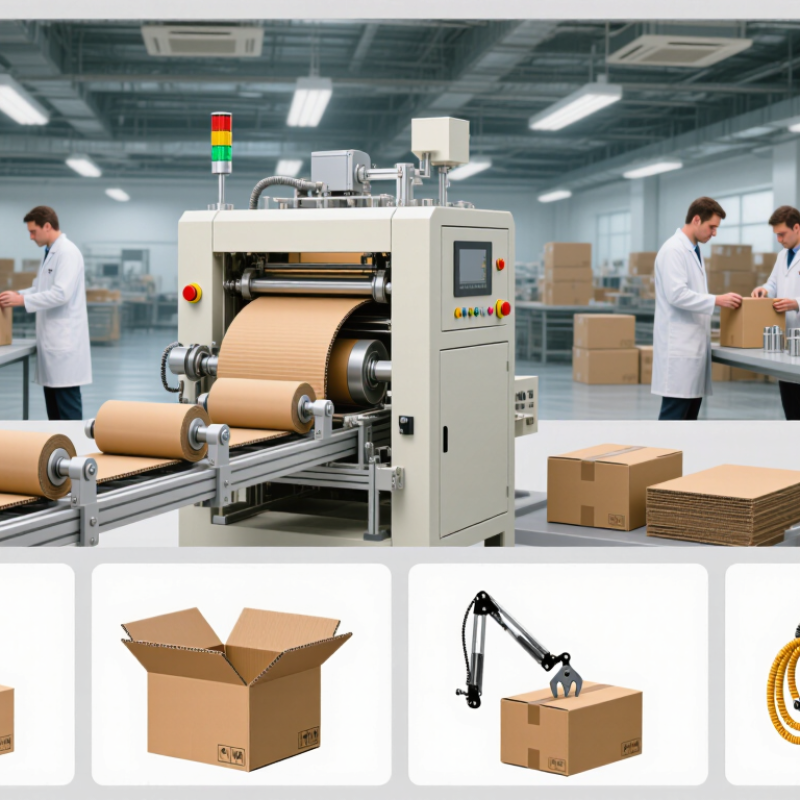
10 Tips to Choose an Automatic Feeding Gluing Machine?

Identify the Materials and Products the Machine Must Handle

Selecting an automatic feeding gluing machine begins with the material, not its advertised speed. Record substrate type, thickness, coating, stiffness, and surface energy. Corrugated board, folding carton stock, paper bags, labels, and laminated sheets behave differently. A glossy film may resist ordinary water-based adhesive. Porous recycled board may absorb it too quickly. During production trials, measure sheet dimensions and inspect edge quality after feeding. Small warping matters. It can cause double feeding or crooked glue lines.

Tip 1 Build a clear material profile.

Include the thinnest, thickest, smallest, and largest sheets. Test coated and uncoated surfaces separately. Do not rely on one attractive sample. A perfect sample can mislead. Also identify the finished products, such as straight-line cartons, crash-lock boxes, envelopes, or irregular packages. Their folds, windows, tabs, and glue areas affect machine setup. Confirm whether the machine can handle narrow strips without twisting.

Tip 2 Match the adhesive to the substrate and product speed.

Water-based, hot-melt, and other approved adhesives require different heating, drying, and application conditions. Ask for trials using your actual materials and glue. Check feeding stability after several hours, not only during a short demonstration. Humidity changes paper behavior. Dust changes suction performance. I have seen a reliable test fail because the workshop sample was cleaner than real production. Leave room for adjustment, because material batches are rarely identical.

Check Feeding, Gluing, and Folding Performance Requirements

Choosing an automatic feeding gluing machine starts with the box, not the machine brochure. FEFCO’s 2023 statistics reported 50.8 billion square metres of European corrugated board production. That scale makes stable feeding essential. Tip 1: Test your smallest and largest blanks. Watch for skewing, double sheets, and crushed edges. Tip 2: Measure feeder speed under real conditions, not only at maximum speed. A machine may reach 10,000 pieces per hour, yet unstable feeding can reduce usable output sharply.

Gluing performance needs equal attention. Check adhesive viscosity, nozzle control, open time, and glue-line accuracy. Ask for trials using your actual board grades and printed surfaces. Tip 3: Inspect every glue line after compression. Gaps of only a few millimetres can cause rejected cartons. PMMI industry reports continue to identify labor availability as a major reason for packaging automation. However, automation does not remove quality checks. It changes where they happen. Operators still need clear alarms, quick access, and simple cleaning procedures.

Folding tests should include short flaps, narrow panels, and lightweight board. Tip 4: Run mixed production orders if your factory uses them. Measure setup time, fold accuracy, compression pressure, and finished-carton squareness. A perfect sample is not enough. In my experience, difficult blanks reveal more than easy ones. I would also request one full-shift trial, because heat, dust, and adhesive buildup can change performance. Some specifications remain unclear until production gets messy. That is worth discovering before installation.

10 Tips to Choose an Automatic Feeding Gluing Machine

Check feeding, gluing, and folding performance requirements before making a purchase.

The chart uses a 0–100 evaluation scale based on practical acceptance checks: stable sheet feeding, accurate glue application, reliable folding alignment, low stoppage risk, and repeatable setup. A machine should meet the minimum benchmark across all categories rather than compensate for a weak result in one area with higher speed in another.

Compare Automation Features, Precision, Speed, and Production Capacity

Choosing an automatic feeding gluing machine starts with your production needs, not its advertised speed. Observe cartons, sheets, and adhesive behavior during a normal shift. A reliable feeder should separate blanks cleanly, even when paper edges curl slightly. Ask how sensors detect double sheets, jams, and empty stacks. These details show practical automation better than a feature list. Good automation reduces manual adjustments. It does not remove every inspection.

Precision requires measurable evidence. Check glue-line width, position tolerance, and repeatability across several hundred pieces. Request samples using your actual board thickness and surface finish. A narrow glue line may look efficient, but unstable pressure can create weak seams or adhesive squeeze-out. Inspectors should review rejected pieces beside the machine, not only trust the control screen. I once underestimated setup differences between operators; that mistake made the calculated yield look better than reality. Leave room for learning.

Compare speed at usable production capacity, not on an empty conveyor. Record feeding rate, gluing rate, changeover time, and stoppages per shift. A machine running 8,000 pieces per hour may deliver fewer good pieces after slow loading or frequent cleaning. Check hopper size, accumulator design, motor response, and jam recovery. Match capacity with staffing, floor space, and downstream folding equipment. Ask for maintenance intervals and training records. Faster is not always better. A stable 5,000-piece flow can outperform an interrupted target.

Evaluate Machine Quality, Maintenance, Safety, and Compatibility

Choosing an automatic feeding gluing machine starts with machine quality, not the fastest quoted speed. Inspect frame rigidity, roller alignment, feeder stability, and glue delivery consistency. During a factory trial, run coated and uncoated sheets at different sizes. Watch the first ten pieces. Uneven feeding or thin glue lines often reveal problems hidden by polished demonstrations. Ask for production records, inspection methods, and realistic output under your material conditions. Fast is not always dependable.

Maintenance should be practical for operators. Check whether belts, sensors, rollers, and glue nozzles are easy to reach. A guarded access panel is useful, but it should not turn cleaning into a half-hour task. Request a maintenance schedule, spare-part list, lubrication points, and troubleshooting instructions. Ask how quickly technical support responds, and test the answer before purchase. I have learned that unclear responsibility causes more downtime than ordinary wear. Still, no checklist predicts every failure. Keep records.

Safety needs visible evidence. Look for emergency stops, interlocks, protective covers, stable wiring, and clear operating instructions. Operators should see pinch points and clean spills without reaching near moving parts. Compatibility matters equally. Confirm sheet dimensions, material thickness, adhesive type, viscosity range, power requirements, and production-line communication. Test recycled stock or textured sheets if they are used regularly. A machine may run perfectly with sample paper and struggle with real stock. Test it. Leave room for adjustment. That small gap can prevent expensive rework.

Assess Supplier Support, Total Cost, and Long-Term Investment Value

Choosing an automatic feeding gluing machine should begin with the supplier, not the brochure. Ask how quickly technicians respond when feeding becomes uneven or glue pressure fluctuates. Request training, installation guidance, spare-parts availability, and remote troubleshooting details. A clear service agreement matters. So does practical experience.

Ask for references from plants with similar carton sizes, speeds, and shift patterns. Speak with operators, not only sales staff. Their comments often reveal jam frequency and cleaning effort.

Calculate total cost beyond the purchase price.

Include freight, installation, electrical changes, tooling, adhesive consumption, maintenance, spare parts, and operator training. Measure realistic output, not the highest advertised speed. A machine running at 8,000 pieces per hour may deliver less after changeovers and rejects.

Ask for a sample run using your own board and adhesive. Record setup minutes, glue waste, folding accuracy, and recovery time after a stoppage.

Small losses become expensive over twelve months. Spreadsheets help, although early estimates are often too optimistic.

Long-term value depends on flexibility.

Check whether feeders, sensors, and control software support future product sizes. Durable frames and accessible cleaning points can reduce downtime. Ask how upgrades affect warranties and whether replacement parts remain available after several years.

A low initial price can hide dependence on one technician or difficult components. Leave room for uncertainty. Production volumes change, and promised benefits may not appear immediately.

Choose evidence you can verify: test records, service response targets, energy data, and a written ownership-cost estimate.