

In 2026, the thermal paper roll manufacturer industry faces evolving demands. As businesses seek reliable suppliers, understanding key selection criteria becomes critical. Renowned industry expert John Smith states, "Quality and consistency are vital in choosing your thermal paper roll manufacturer."
Pricing is not the only factor. Incredible quality isn’t always guaranteed at lower prices. Therefore, brands must also consider the manufacturer's reliability. A few weeks without supplies can seriously impact operations. It’s essential to assess their production capabilities thoroughly.
Sustainability is increasingly important. Many companies expect eco-friendly practices from their suppliers. However, few thermal paper roll manufacturers truly uphold these standards. Scrutinizing their commitment to green practices can reveal essential insights. Companies should reflect on their choices, as selecting the right partner influences success in today's competitive market.
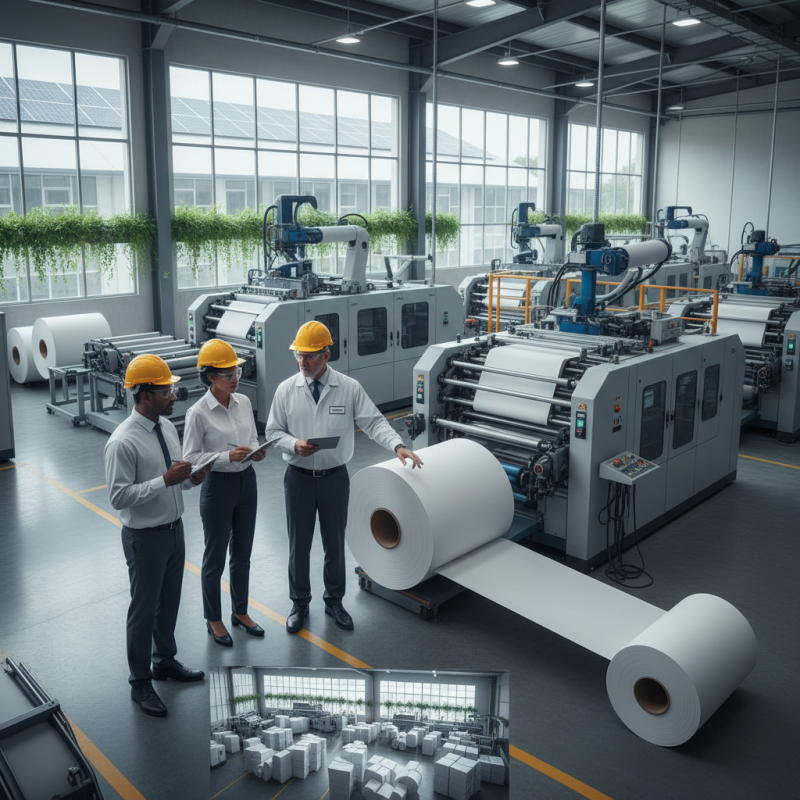
When choosing a thermal paper roll manufacturer in 2026, quality standards are crucial. Look for manufacturers who adhere to environmental regulations. The use of eco-friendly materials is becoming essential. Sustainable production methods show commitment to reducing waste. This matters more than ever as consumers prefer green products.
Quality also depends on the thermal coating. Ensure the paper delivers consistent print quality. Poor coating leads to faded prints or smudges. Test samples before committing. Thickness and texture impact print clarity, too. A paper that feels right leads to better user experience.
Consider the manufacturing process. Transparency is key. Ask about quality control measures. Some manufacturers may overlook critical checks. An unreliable process can lead to higher defect rates. It’s necessary to verify these claims to make an informed choice. Finding a compliant partner can streamline your operations significantly.
When selecting a thermal paper roll manufacturer in 2026, understanding the key manufacturing processes is crucial. A reliable producer must focus on high-quality materials. This ensures better performance and durability. Thermal paper needs a heat-sensitive layer, which requires precise application techniques.
Manufacturing involves several steps. The base paper is coated with chemicals that become reactive when exposed to heat. This is a delicate process. A small error can lead to poor print quality. You want manufacturers who prioritize consistency in their coating methods. Having modern machinery also plays a significant role in maintaining quality.
Tip: Look for manufacturers who regularly update their equipment. It can lead to better results. Also, consider the manufacturer's quality control measures. Frequent testing of the paper ensures it meets industry standards. A reliable manufacturer should demonstrate transparency about their production processes. If they can’t provide this, it might raise concerns.
| Criteria | Details |
|---|---|
| Manufacturing Process | Advanced coating technologies ensuring optimal thermal sensitivity. |
| Quality Control | Regular audits and testing for durability and print quality. |
| Sustainability Practices | Use of eco-friendly materials and waste reduction initiatives. |
| Custom Solutions | Options for custom sizes, widths, and treatments available. |
| Certifications | ISO 9001 and other relevant certifications for quality assurance. |
| Lead Time | Efficient lead times with timely delivery to clients. |
| Customer Support | Responsive support and assistance with orders and issues. |
When evaluating a thermal paper roll manufacturer in 2026, supplier reputation is critical. A reliable supplier demonstrates stability and positive feedback from clients. According to a 2022 industry report, 75% of businesses value past customer reviews when choosing a supplier. These insights can reveal overall satisfaction and product quality.
Additionally, certifications play a vital role. A manufacturer with ISO certifications ensures adherence to industry standards. However, not all certifications are created equal. Some may focus on specific aspects without covering the entire production process. It's essential to verify what each certification entails.
Price is also a factor to consider. Competitive pricing may attract buyers, but the cheapest option is not always best. A study highlighted that 60% of companies regretted choosing a low-cost supplier, as they faced quality issues later. It’s crucial to balance cost with quality, understanding that cutting corners could lead to future headaches.
Sustainability is becoming essential in thermal paper manufacturing. With rising environmental concerns, companies must prioritize eco-friendly practices. A recent report from the International Paper Association indicates that over 70% of consumers prefer products made sustainably. This trend pushes manufacturers to adopt greener methods.
One way to enhance sustainability is through sourcing raw materials responsibly. Many manufacturers are shifting to recycled paper. Using chlorine-free processes also significantly reduces pollution. In 2026, eco-conscious consumers will expect transparency in sourcing. A clear policy on raw materials can set a manufacturer apart.
Tips for finding the right manufacturer include checking for certifications. Look for eco-labels and sustainability reports. Ask about waste management practices. Brands should prioritize suppliers who continuously improve their operations.
Not every company has achieved full sustainability. Yet, those striving for it can lead the industry. Adopting innovative technologies is crucial. Advanced production methods can minimize carbon footprints. Emphasizing sustainability will build trust and foster customer loyalty.
In 2026, thermal paper roll production faces exciting technological innovations. Automation plays a crucial role in increasing efficiency. Many manufacturers now rely on advanced machinery. This machinery can produce accurate cuts, reducing waste significantly. Additionally, automated quality control systems enhance the consistency of the products.
Sustainability is another focal point. Eco-friendly materials are becoming more common. Thermal papers with recyclable coatings are gaining traction. However, companies often struggle with sourcing these materials consistently. New printing technologies also allow better colors and higher resolution. Yet, some older machines cannot support these advancements, leading to a disparity in production quality.
Data tracking is indispensable now. Manufacturers can monitor production data in real-time. This ensures that any issues are addressed quickly. However, not all companies invest in these technologies. Some still rely on outdated methods. This can lead to inefficiencies and higher costs. The gap between innovative and traditional methods is widening, and reflection is needed.
