

Scroll Top
4801 Bennett Rd. Toledo, Ohio 43612

What is a Stainless Steel Water Tank Benefits and Uses?

As industries and households seek efficient water storage solutions, the Stainless Steel Water Tank has emerged as a front-runner. Renowned expert John Smith, a leading engineer in sustainable water systems, emphasizes, “Stainless Steel Water Tanks offer unmatched durability and health safety.” This quotation reflects the growing acknowledgment of stainless steel’s advantages in the realm of water storage.

Stainless Steel Water Tanks provide numerous benefits. They are highly resistant to corrosion, ensuring clean, safe drinking water. Their longevity can lead to cost savings over time, making them a wise investment. However, not everyone is aware of their varying sizes and configurations. This knowledge gap can limit optimal use in different settings.

Despite their advantages, there are challenges to consider. Initial costs may be higher than other materials. Improper installation can negate their benefits. Hence, selecting a qualified professional for installation is vital. Understanding these perspectives will pave the way for more informed decisions regarding Stainless Steel Water Tanks in various applications.
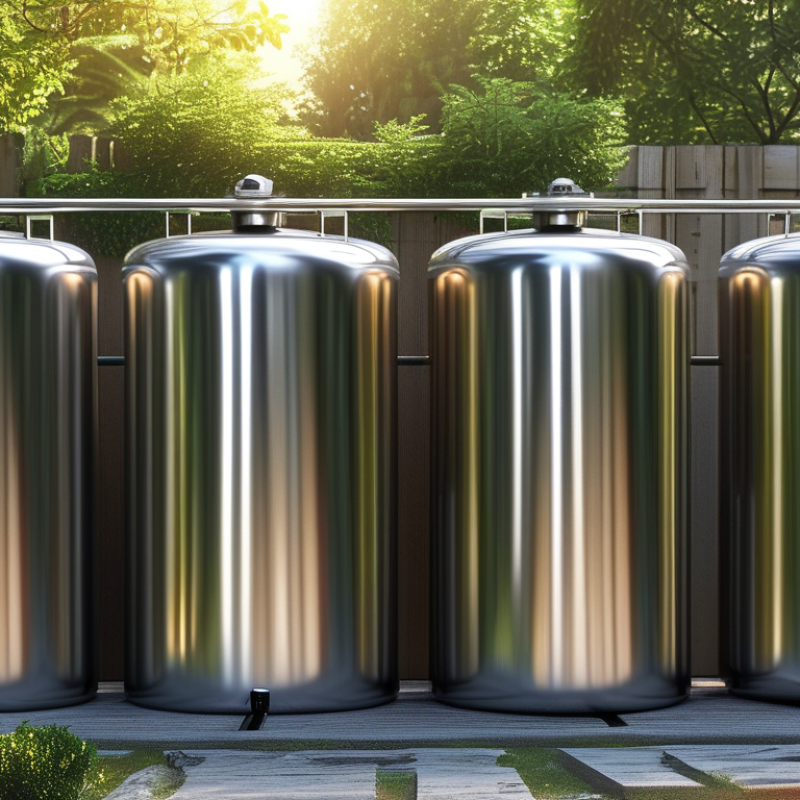
What is a Stainless Steel Water Tank Benefits and Uses?

Definition of Stainless Steel Water Tanks and Their Composition

Stainless steel water tanks are gaining popularity for various applications. These tanks are made primarily of chromium-nickel alloys, making them durable and resistant to corrosion. The unique composition grants them a long lifecycle, often exceeding traditional tanks made from other materials. This property is crucial in environments where water quality and storage conditions need to be maintained.


The manufacturing process of stainless steel involves precise engineering. The tanks undergo rigorous testing to ensure they meet safety standards. While they are highly effective, they may not always be the perfect choice for every situation. For example, the initial investment may be higher than plastic alternatives. Some users have reported difficulty in repairing them if damages occur. This can lead to concerns about long-term maintenance costs.


Despite these challenges, the benefits are clear. Stainless steel tanks are excellent for storing drinking water, industrial liquids, and agricultural needs. Their non-reactive nature prevents contaminants from leaching. This ensures the water remains safe for consumption. Additionally, the sleek appearance of stainless steel can enhance aesthetic value in installations, making them suitable for both residential and commercial uses.

Key Benefits of Using Stainless Steel for Water Storage

Stainless steel water tanks offer several key advantages that make them an ideal choice for water storage applications. One primary benefit is their durability. According to industry reports, stainless steel has a lifespan of over 50 years when properly maintained. This long-lasting quality reduces the need for frequent replacements, ultimately saving resources and costs.

Another significant advantage is the non-corrosive nature of stainless steel. Unlike other materials, it resists rust and corrosion, even when exposed to harsh environments. A study found that stainless steel can withstand temperature fluctuations and varying water qualities better than many alternatives. This reliability ensures that the stored water remains safe and clean for consumption.

For optimal use, consider regular inspections of the tank for signs of wear or damage. Clean the tank periodically to prevent any bacterial build-up. Ensure proper installation to maximize lifespan. Being aware of these factors can further enhance the benefits of using stainless steel for water storage.

Common Applications and Uses of Stainless Steel Water Tanks

Stainless steel water tanks are gaining popularity in various industries. One common application is in agriculture. Farmers use these tanks to store water for irrigation. Their durability ensures they withstand harsh weather conditions. Additionally, stainless steel does not leach harmful substances. This makes the water safer for crops and livestock.

Another significant use of stainless steel water tanks is in commercial settings. Restaurants and food processing plants often rely on them for storing potable water. The tanks maintain water quality, crucial for public health. Their sleek design also fits well in modern kitchens. However, the initial cost can be higher than other materials.

Residential applications are growing too. Homeowners appreciate the longevity and low maintenance. These tanks can be installed above or below ground. Yet, some may find them heavy and challenging to install. It's vital to assess the installation area carefully. Overall, the versatility of stainless steel water tanks makes them a sound investment across various settings.

What is a Stainless Steel Water Tank Benefits and Uses? - Common Applications and Uses of Stainless Steel Water Tanks

Dimension Description Benefits Common Applications
Capacity Varies from small (100 liters) to large (10,000 liters) Flexible size options Residential water storage
Material Grade Typically 304 or 316 stainless steel Corrosion resistance Industrial water systems
Lifespan 20 to 30 years with proper maintenance Long-lasting investment Agricultural usage
Maintenance Minimal maintenance required Cost-effective over time Fire suppression systems
Insulation Options for insulated tanks Temperature regulation Heat-sensitive applications

Comparative Analysis: Stainless Steel vs. Other Water Tank Materials

Stainless steel water tanks offer numerous advantages compared to other materials like plastic or fiberglass. One major benefit is their durability. Stainless steel is resistant to corrosion, which can extend its lifespan significantly. According to a study by the Water Quality Association, stainless steel tanks have a lifespan of over 50 years, while plastic tanks typically last only 10 to 15 years. This highlights the long-term value of investing in stainless steel.

In terms of hygiene, stainless steel excels as it is non-toxic and easy to clean. Contamination from bacteria is a critical issue in water storage. Reports show that stainless steel has a 99.9% bacteria reduction rate, making it a superior choice for drinking water storage. In contrast, plastic tanks can leach harmful chemicals, especially with UV exposure.

While stainless steel offers many benefits, it's essential to consider the initial cost. They can be more expensive upfront than plastic tanks. However, the long-term savings on replacements and potential health risks may justify this investment.

Tips: Regular maintenance is vital. Inspect for leaks and corrosion to prolong the tank's life. Be mindful of the water temperature inside the tank, as extreme heat can affect the material’s structural integrity.

Maintenance and Care Tips for Stainless Steel Water Tanks

Stainless steel water tanks are known for their durability and resistance to corrosion. To keep your tank functioning well, maintenance is crucial. Regular checks can prevent future issues. Look for signs of wear or leaks. Catching problems early can save money and effort.

Cleaning your stainless steel tank is essential. Empty the tank and use a mild detergent mixed with water. Avoid harsh chemicals, as they might damage the finish. Rinse thoroughly to remove any residue. It’s a good practice to perform this cleaning at least twice a year.

Monitor the water quality regularly. Use a water testing kit to check for contaminants. If you notice any changes in taste or smell, consider draining and cleaning your tank sooner. Ensure proper ventilation to reduce condensation. This helps prevent mold and keeps the water fresh.

Benefits and Uses of Stainless Steel Water Tanks

This chart illustrates the key benefits of stainless steel water tanks. The durability and corrosion resistance make them ideal for various applications, while their health safety and recyclability contribute to their growing popularity. Proper maintenance ensures they last longer and function efficiently.