

Scroll Top
4801 Bennett Rd. Toledo, Ohio 43612

Top Smart Film Trends to Watch in 2026?

As we look towards 2026, Smart Film technology is poised to transform our environments in remarkable ways. According to Dr. Emily Turner, a leading expert in the Smart Film industry, “The innovations in Smart Film will redefine how we interact with spaces.” This sentiment reflects the growing excitement around the potential applications of Smart Film, from architectural solutions to automotive enhancements.

The trends shaping Smart Film technology include increased energy efficiency and enhanced user interfaces. Imagine windows that change tint with the touch of a button, enhancing privacy and comfort. Smart Films are not just about aesthetics; they offer practical benefits such as energy savings and improved thermal performance. Yet, as with any rapidly evolving technology, there are challenges to address. Questions about affordability and durability linger in the minds of consumers and investors alike.

In upcoming years, we may see hybrid forms of Smart Film that integrate with other technologies. As the industry evolves, continuous feedback from users is crucial. This will help refine products and address concerns. The Smart Film landscape is both promising and complex, pushing us to think critically about our needs and expectations.
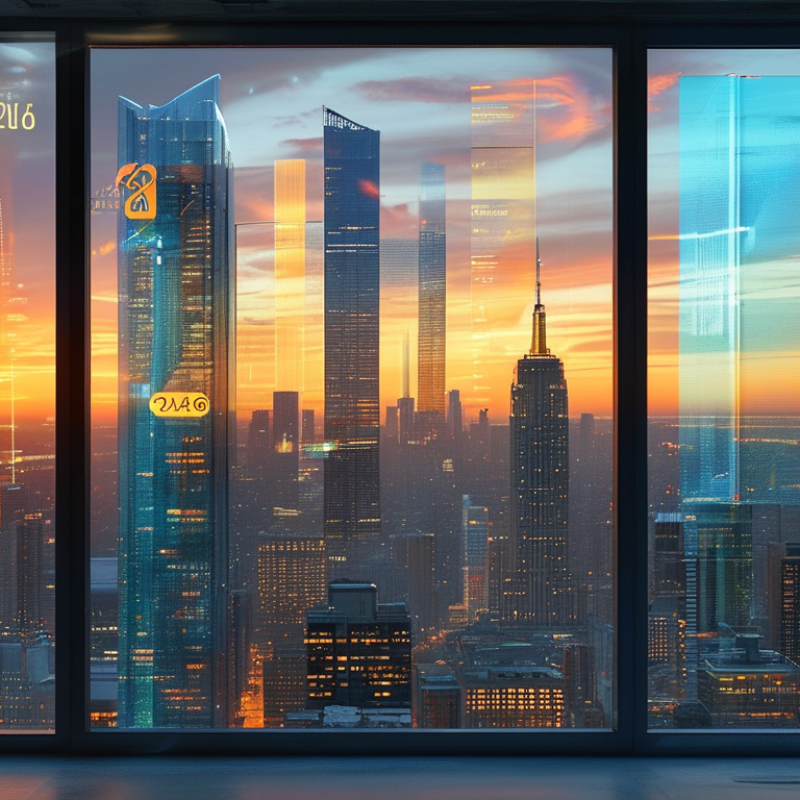
Top Smart Film Trends to Watch in 2026?

Emerging Technologies Driving Smart Film Innovations in 2026

The landscape of smart film technologies will undergo significant transformations by 2026, driven by rapid advancements in materials science and nanotechnology. A report from ResearchAndMarkets predicts a compound annual growth rate (CAGR) of 24% for the smart film market during the next five years. This growth is largely fueled by emerging applications in the architectural sector. The ability to control light and heat, while enhancing privacy, makes smart films attractive for modern buildings.

One notable trend is the integration of smart films with IoT devices. These technologies will enable real-time adjustments based on user preferences. For instance, a user-controlled smart film can switch from transparent to opaque, optimizing energy consumption. However, challenges persist. The high initial costs of these installations may deter widespread adoption. The market still lacks uniform standards, which can hinder progress and consumer trust.

Furthermore, sustainability is becoming a key focus. Reports indicate that eco-friendly smart films are in higher demand. Companies are exploring biodegradable materials and energy-efficient production methods. Yet, many organizations are still stuck in traditional manufacturing processes, raising questions about their commitment to sustainability. This gap illustrates a need for better innovation and a fresh approach to industry practices.

Sustainability Trends in Smart Film Manufacturing and Usage

The global smart film market is evolving rapidly. By 2026, the demand for sustainable manufacturing practices is expected to rise significantly. According to industry reports, more than 30% of smart film manufacturers are now prioritizing eco-friendly materials. This shift reflects a growing concern for reducing carbon footprints and promoting greener technologies.

Sustainable smart films use recycled materials and energy-efficient production techniques. Reports suggest that these films can decrease energy consumption in buildings by up to 20%. However, the challenge lies in balancing performance with sustainability. Some products may underperform in energy efficiency when bio-based materials are used, leading to questions about reliability.

Incorporating renewable energy sources in the production process remains complicated. Many manufacturers are experimenting, yet there are no established standards for sustainability. The need for clear guidelines and benchmarks persists. The industry must confront these hurdles to truly benefit from eco-friendly innovations while maintaining product quality.

Applications of Smart Film in Architecture and Interior Design

Smart films are transforming architecture and interior design. Their unique properties allow for dynamic spaces that adapt to user needs. These films can switch from transparent to opaque, providing privacy on demand. This flexibility is revolutionizing how designers conceptualize both residential and commercial spaces.

In residential applications, smart film can enhance living areas. Imagine using it on windows to block sunlight with a simple switch. This capability allows homeowners to control light and heat effectively. It also aids in maintaining privacy without sacrificing natural light. Using smart film in bathrooms is another popular choice. It creates a serene atmosphere while ensuring personal space.

For commercial designs, smart film can redefine work environments. Conference rooms can easily become private with a flick of a switch. This innovation promotes a productive atmosphere, boosting morale. However, incorporating smart films comes with challenges. The cost can be prohibitive for some projects. Installation requires skilled professionals, which may add to the budget.

Tip: Consider testing smart film in a small area before a full installation to evaluate its benefits.

Tip: Research and compare different smart film technologies to find the right fit for your specific needs.

Impact of Smart Film on Privacy and Energy Efficiency Solutions

Smart film technology is advancing rapidly, particularly in enhancing privacy and energy efficiency in buildings. By 2026, reports indicate that the smart film market could reach valuations of over $5 billion. This growth reflects increased demand for sustainable building materials and technologies that offer adaptable privacy solutions.

Smart films can transition from transparent to opaque, giving users control over visibility. This feature is especially beneficial in offices and residential spaces where privacy is paramount. According to recent industry data, such films could reduce energy consumption by up to 30% when applied to windows. This energy efficiency stems from their capability to block harmful UV rays while allowing natural light to enter, thus cutting down on cooling costs.

**Tip:** Consider using smart films in high-rise buildings. They can significantly improve energy performance without compromising on aesthetics.

Adopting smart films poses challenges, however. The initial installation cost can be high, and maintenance is essential for optimal performance. Some users report the need for frequent adjustments to achieve desired levels of privacy. As the market matures, innovation will likely address these concerns, promoting wider adoption and usage.

**Tip:** Stay informed about advancements in smart film technology. Emerging trends may offer cost-effective solutions in the near future.

Future Market Predictions for Smart Film Industry Growth by 2026

The smart film industry is projected to experience significant growth by 2026, driven by advancements in technology and increasing consumer demand. A recent report from MarketsandMarkets indicates that the global smart film market will reach approximately $3 billion by 2026, growing at a compound annual growth rate (CAGR) of 25%. This growth is largely attributed to the rising use of smart films in both residential and commercial applications, particularly in architecture and automotive sectors.

In the architectural sector, the demand for energy-efficient buildings is fueling the adoption of smart films. These films enhance privacy and control light while reducing HVAC costs. Furthermore, the automotive industry is integrating smart films in windows for increased safety and aesthetics. Analysts suggest that this trend will be paralleled by ongoing challenges in manufacturing and material costs. Companies often struggle with scaling production, which may impede widespread adoption despite strong market potential.

However, there is a need for continuous innovation. The integration of smart films into everyday products must overcome technical limitations. Achieving optimal performance without sacrificing affordability remains a key hurdle. Stakeholders are urged to consider market dynamics and user feedback as they innovate and expand their offerings. The path to 2026 holds promise, but careful navigation of these challenges is essential for sustained growth.

Top Smart Film Trends to Watch in 2026