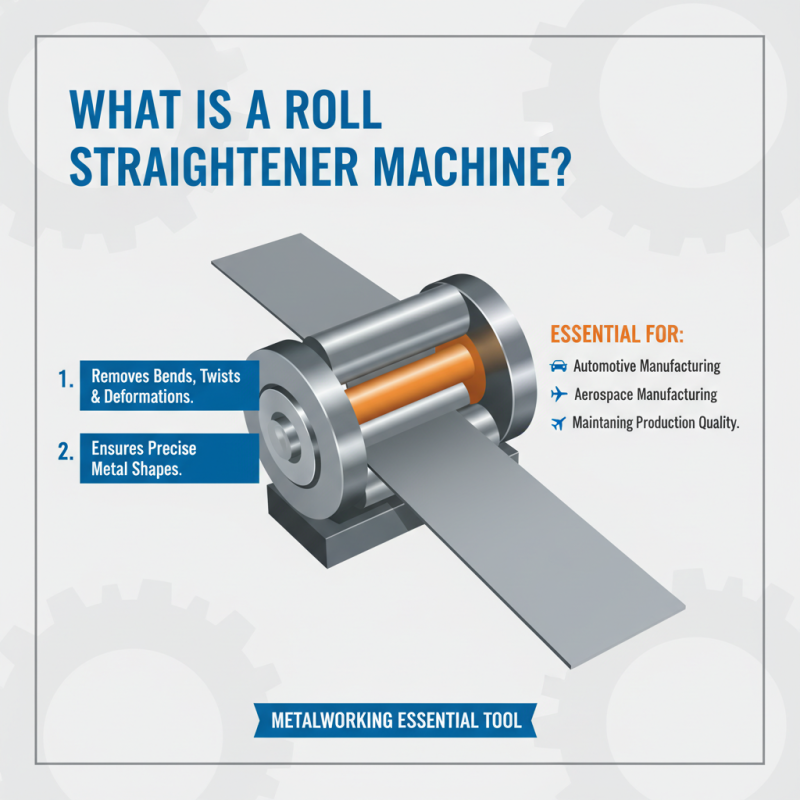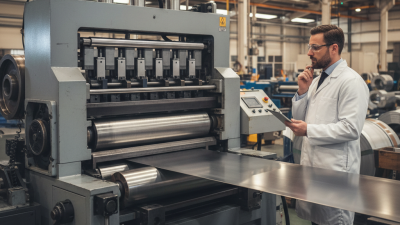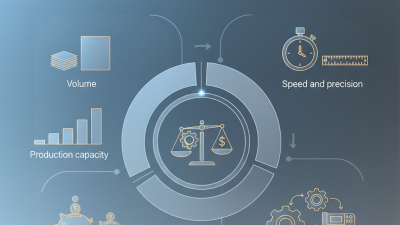

A roll straightener machine is an essential tool in metalworking industries. It is designed to correct the shape of coiled metal strips. These machines play a pivotal role in enhancing product quality and production efficiency.
The functionality of a roll straightener machine involves a series of rollers that adjust the metal's curvature. As the metal passes through, it is straightened to meet precise specifications. This process resolves issues like warping or bending caused during manufacturing.
However, not all machines guarantee perfect results. Variations in metal composition and thickness can pose challenges. Regular maintenance is vital to ensure reliability and accuracy. Understanding the capabilities and limits of a roll straightener machine can significantly impact the production process.
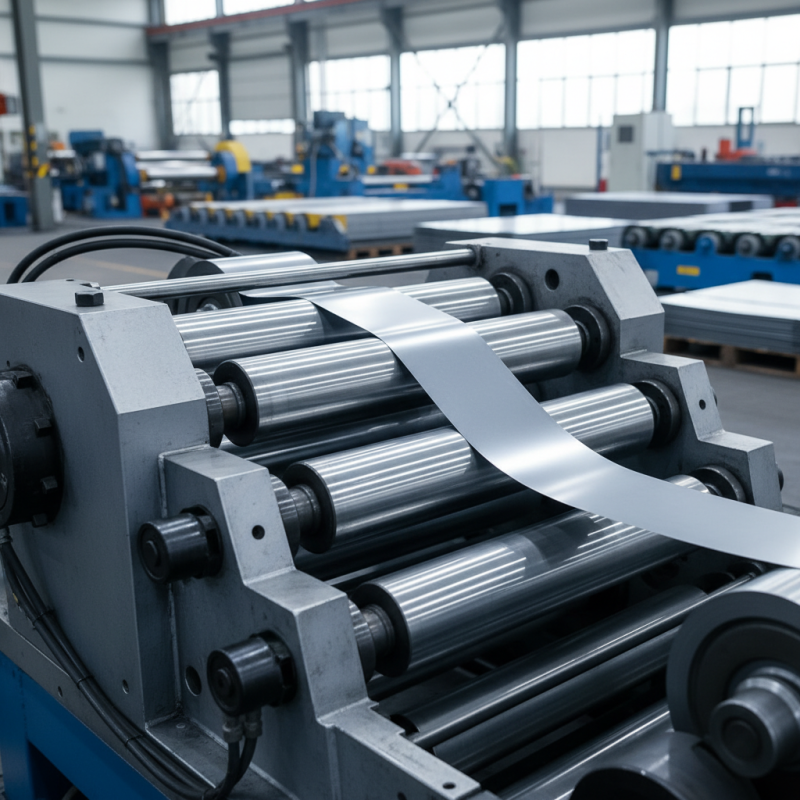
A roll straightener machine is an essential tool in metalworking. It is designed to remove bends, twists, and other deformations from metal rolls. This device is particularly important in industries that require precise metal shapes, such as automotive and aerospace manufacturing. By ensuring that metals are straightened accurately, these machines help maintain quality in production.
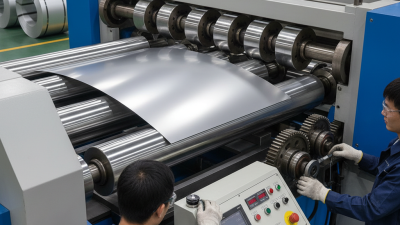
The operation of a roll straightener is fascinating. It consists of several rollers arranged in a specific pattern. As the deformed metal passes through, the rollers apply pressure at various points. This action straightens the metal gradually. Operators must be skilled to adjust the pressure correctly. If not done right, the metal can be overstressed, leading to cracks. Each piece of metal may behave differently, making it essential for operators to understand the material properties.
In essence, the roll straightener machine is a blend of mechanical precision and operator expertise. While it can greatly enhance productivity, challenges remain. Ensuring consistent quality requires attention and experience. Operators must continuously learn and adapt to different types of materials. This machine combines technology and human skill to produce high-quality metal products.
A roll straightener machine is essential in metalworking. Its primary function is to ensure that materials, like metal rolls, are straightened for better processing. The machine operates by using a series of rollers that apply precise pressure. This helps to reduce any bends or curves in the metal. While this sounds straightforward, achieving perfect straightening can be challenging. The machine must be calibrated correctly to avoid over-correcting.
The key components of a roll straightener machine include rollers, frames, and hydraulic systems. Rollers come in various shapes and sizes. They are strategically arranged to apply uniform pressure. The frame provides the necessary support for all components to work together. Hydraulic systems control the movement and pressure of the rollers. However, not all machines come equipped with advanced systems. Some might require manual adjustments, which can lead to inconsistencies in performance.
Operators need to be trained to understand these components. Their expertise ensures the machine functions efficiently. Regular maintenance is vital to prevent breakdowns. Without proper care, even the best machines can deliver poor results. Reflection on past performance can guide improvements. Balancing these factors contributes to the overall effectiveness of roll straighteners in various industrial applications.
A roll straightener machine plays a crucial role in metalworking industries. It is designed to correct the shape of rolled materials, particularly metal bars or sheets. The machine consists of a series of rollers that apply force to the material. As the material passes through, these rollers adjust its curvature, producing a straighter product.
The working principle involves feeding the material into the machine at an angle. The rollers are strategically positioned to create a controlled bending process. With precision, they exert pressure on specific points, effectively reversing any bends or twists. The process requires a skilled operator to fine-tune the settings. Misjudgment in alignment or pressure can result in unwanted deformation, leading to wastage.
Each material behaves differently under pressure. This variance poses challenges during operation. Operators must understand the material's properties to achieve optimal results. Regular maintenance of the rollers is necessary to ensure consistent performance. Even minor wear can lead to defective straightening. Continuous learning and adaptation in handling different materials enhance the operator’s effectiveness. Understanding these nuances is key to mastering the use of a roll straightener machine.
Roll straightener machines are essential in various industries, particularly in metalworking. They improve material quality by eliminating bends in metal strips or rods. These machines play a pivotal role in ensuring precision in manufacturing processes. According to a report by ResearchAndMarkets, the global metal straightening equipment market is projected to reach $3.24 billion by 2027, indicating a growing need for these machines.
In the automotive sector, roll straighteners are crucial for producing high-quality parts. Car manufacturers require precision-engineered components that can withstand rigorous use. A report from the International Organization of Motor Vehicle Manufacturers highlights that over 90 million vehicles were produced globally in 2022. This creates a substantial demand for straightened metals in the production lines, reflecting the importance of reliable roll straightener machines.
Moreover, roll straighteners find applications in construction and aerospace. The construction industry relies on straightened metal for strength and safety. Similarly, aerospace components must adhere to strict quality standards. Yet, not all manufacturers pay enough attention to the calibration and maintenance of these machines. Regular checks and adjustments are necessary to maintain their efficiency. Over time, improper use can lead to substandard outputs, posing risks in safety-critical applications.
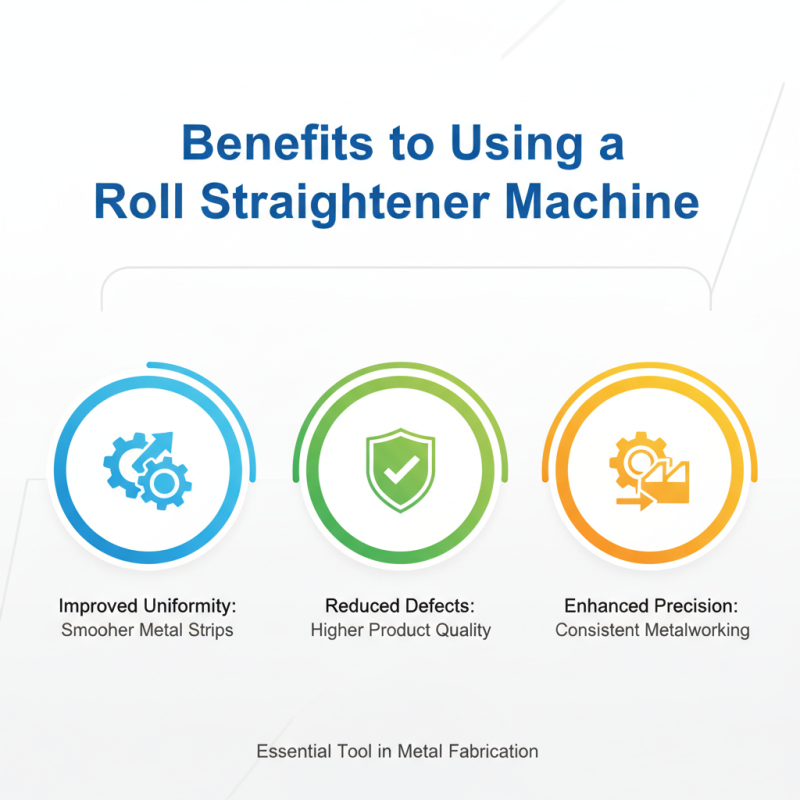
A roll straightener machine is an essential tool in metal fabrication. It optimally aligns and smooths out metal strips or bars. Its benefits are significant for industries that require precision in metalworking. Notably, straightening improves the uniformity of metal, leading to fewer defects in the final product.
Using a roll straightener can reduce production waste by up to 30%, according to industry reports. This efficiency helps businesses save costs and resource usage. The machine processes materials at high speeds, ensuring quicker turnaround times. However, inconsistencies can arise from improper setup. Hence, proper training and regular maintenance are vital.
The reliability of a roll straightener machine can enhance the structural integrity of finished products. Ensuring straightened metal remains stable under stress is crucial. While the benefits are clear, operators must remain vigilant. Any oversight in machine calibration can lead to errors that compromise quality. Continuous monitoring can mitigate these risks. Understanding the balance between speed and accuracy is essential for optimal results.