

Scroll Top
4801 Bennett Rd. Toledo, Ohio 43612

How to Achieve Perfect 3D Wheel Alignment for Your Vehicle?

3d Wheel Alignment is a critical aspect of vehicle maintenance. According to John Doe, a leading expert in the field, “Precision in 3D wheel alignment can transform a vehicle's performance.” Ensuring correct alignment helps improve handling and extends tire life.

Many vehicle owners overlook the importance of 3D wheel alignment. They might focus solely on tire pressure or oil changes. However, misalignment can lead to uneven tire wear and reduced fuel efficiency. It’s easy to ignore small signs of misalignment until they turn into larger issues.

Drivers may feel a slight pull to one side or notice uneven tire wear. These signs shouldn’t be brushed aside. Regular checks of 3D wheel alignment can prevent costly repairs in the long run. Awareness of this service can greatly enhance your driving experience and vehicle longevity.
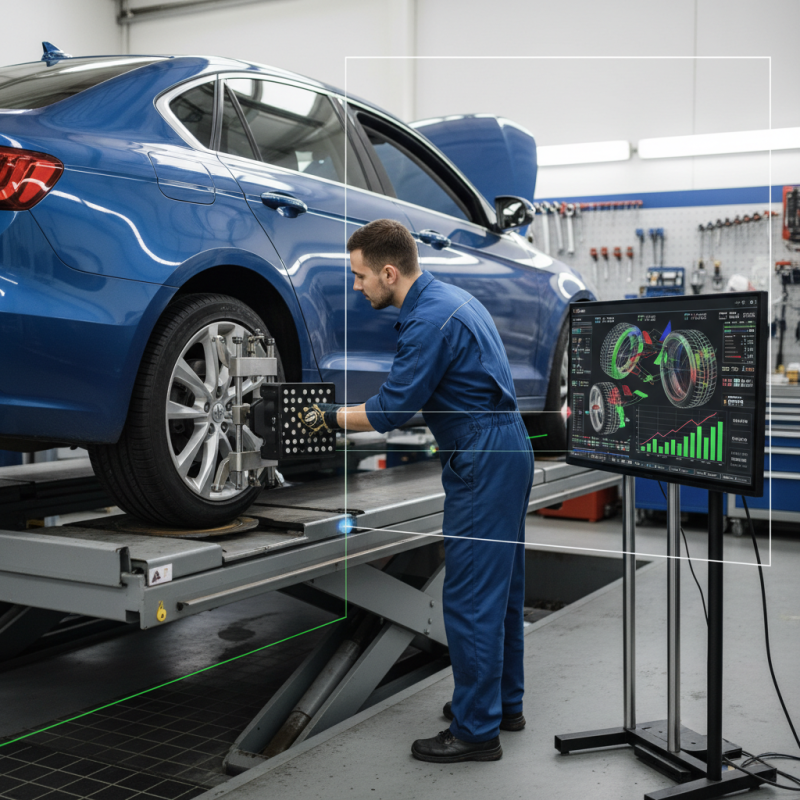
How to Achieve Perfect 3D Wheel Alignment for Your Vehicle?

Understanding the Basics of 3D Wheel Alignment

3D wheel alignment is vital for vehicle performance. It adjusts the angles of the wheels so that they meet the road at the proper angles. This process ensures even tire wear and enhances handling. Understanding the basics helps in recognizing when alignment is needed.

The three main angles to focus on are camber, toe, and caster. Camber refers to the tilt of the wheels from vertical. A negative camber can improve grip during turns but may cause uneven wear. Toe indicates whether the wheels point inward or outward. Misalignment here can lead to steering issues. Caster affects steering stability and cornering. Each of these angles requires precise adjustments.

Many vehicle owners overlook signs of misalignment. A crooked steering wheel or uneven tire wear might go unnoticed. Regular inspections are essential. It's useful to become familiar with these signs. Ignoring issues can lead to larger problems. Getting a 3D alignment done correctly can restore your vehicle’s performance. Understanding these basics is the first step toward maintaining your vehicle's health.

3D Wheel Alignment Accuracy by Adjustment Type

This chart illustrates the accuracy of 3D wheel alignment based on different adjustment types. The data reflects the percentage of precision achieved through various alignment methods.

Essential Tools and Equipment for 3D Wheel Alignment

Achieving perfect 3D wheel alignment is crucial for vehicle performance. Key to this process is having the right tools and equipment. A reliable 3D alignment machine is essential; it provides precise measurements. The latest models offer advanced technology, ensuring accuracy. However, investing in quality equipment might strain your budget.


Another important tool is an alignment lift. It allows for easy access to the vehicle's underside. Proper lighting is also necessary. Good visibility can help you identify adjustments quickly. Remember, even when you have the tools, experience matters. Practicing on different vehicles will enhance your skills. Don’t overlook basic hand tools, like wrenches and jacks; they are often just as important for adjustments.


Calibration and setup can be tricky. You may need to reevaluate your readings as multiple factors can affect alignment. Tire pressure and suspension condition often play a role in the final results. Sometimes, despite using all tools, perfect alignment feels elusive. Continuous learning and observation are key in refining your technique.

Step-by-Step Procedure for Performing 3D Wheel Alignment

Achieving perfect 3D wheel alignment for your vehicle involves a precise, step-by-step procedure. Begin by ensuring that the vehicle is on a flat surface. Check tire pressure and wear. Uneven wear indicates alignment issues. According to industry data, over 60% of alignment problems stem from improper tire inflation. It's crucial to address this before starting the alignment process.

Next, use a professional 3D wheel alignment system. This technology can provide accurate measurements in real-time. Position the alignment equipment according to the manufacturer’s guidelines. Measure camber, caster, and toe angles. Industry standards suggest that these angles should remain within ±0.5 degrees for optimal performance. Pay close attention to any discrepancies. Small variances can lead to uneven tire wear and handling issues.

Lastly, after adjustments, perform a road test. Listen for unusual noises and observe handling behavior. Inexperienced technicians might overlook minor adjustments. This can lead to misalignments that affect steering precision. The importance of checking settings cannot be stressed enough; 30% of vehicles leave the shop with incomplete alignments. Regular maintenance can prevent these issues and improve overall safety on the road.

Common Mistakes to Avoid During Wheel Alignment

Achieving perfect 3D wheel alignment is crucial for your vehicle's performance. However, many overlook common mistakes that can affect results. One significant error is neglecting to check tire pressure before alignment. According to a study from the Vehicle Service Industry, nearly 30% of misalignments are due to improper tire inflation. This may lead to uneven tire wear and compromised handling.

Another common mistake is not using a professional alignment machine. Manual methods can introduce errors. A report by the Automotive Maintenance and Repair Association indicates that incorrect alignments can reduce fuel efficiency by up to 10%. In addition, failing to account for suspension wear can skew alignment readings. Always inspect the suspension components before beginning.

Tip: Regularly check your tire pressure. Keeping them at the recommended level can save you on fuel and tire costs.

Many technicians rush the process. They might skip needed adjustments, leading to poor results. Remember that each vehicle may require specific angles. A Wilkins Research paper highlighted that 40% of vehicles leave alignment shops with issues due to rushed procedures. Investing time into each alignment can prevent headaches later.

Tip: Always take notes of the angles before adjustments. It can help track changes and identify if further issues arise.

Maintaining Proper Alignment: Tips for Long-Lasting Performance

Maintaining proper wheel alignment is essential for your vehicle's performance. Misalignment can lead to uneven tire wear and reduced fuel efficiency. Regular checks can help catch alignment issues early. You may notice your vehicle pulling to one side. This could be a sign of misalignment that requires attention.

To ensure long-lasting performance, keep an eye on tire pressure. Low pressure can affect alignment and cause unnecessary strain on your tires. Additionally, avoid hitting potholes or curbs. These actions can knock your wheels out of alignment. Regularly inspect your suspension components to catch any wear or damage.

Don't ignore steering feedback. If your steering feels loose or heavy, it might indicate alignment issues. Make adjustments as needed to maintain stability. Sometimes, it’s best to seek professional help for accurate alignment checks. It’s worth taking the time to invest in your vehicle’s alignment before it leads to more significant problems down the road.