

The Packaging Machinery industry is experiencing rapid evolution. By 2026, several key trends will shape its future. According to a report by Smithers Pira, the global market for packaging machinery is projected to reach $54 billion, driven by automation and smart technologies.
Expert John Davis, a leading figure in packaging machinery, states, "Innovation in packaging technology is crucial for staying competitive." His insight underscores the importance of adapting to market shifts. As consumer demands change, so must the machinery that manufactures these essential goods.
Sustainability and efficiency are major themes. Companies are prioritizing eco-friendly materials and energy-efficient solutions. However, not all businesses can keep pace with these changes. Some may struggle to implement new technologies effectively. The future of packaging machinery will depend on those who can innovate while also reflecting on their current practices.
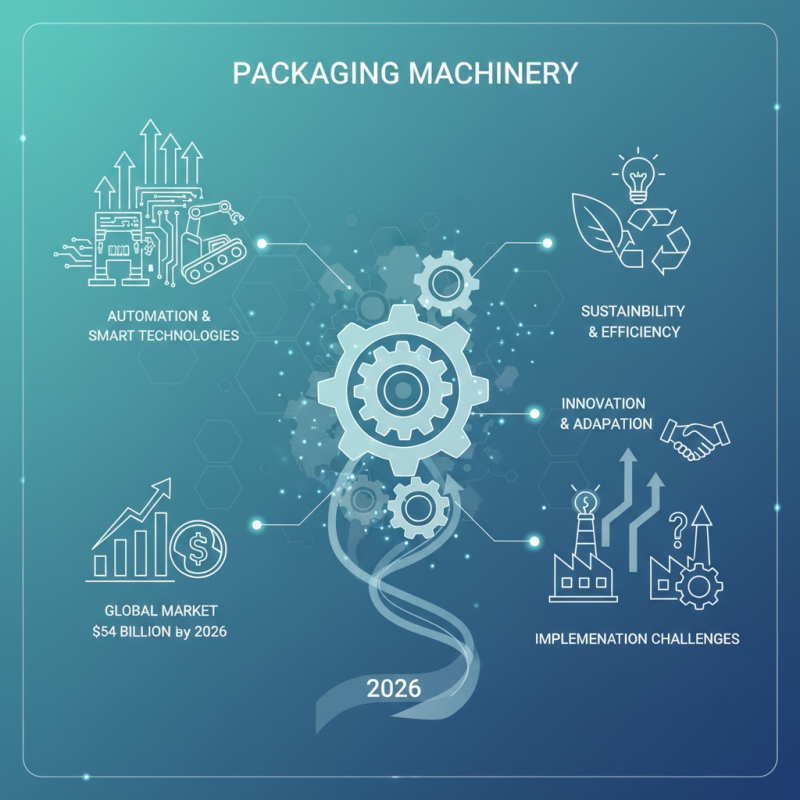
As we approach 2026, the packaging machinery industry is on the brink of transformation. Emerging technologies are reshaping how products are packaged, with automation leading the charge. Smart systems equipped with AI and machine learning are enhancing efficiency and reducing waste. These systems can analyze production data in real time, adjusting processes to optimize output and minimize errors. The integration of sensors and IoT devices ensures a seamless flow of information throughout the packaging line.
Moreover, sustainability is becoming a focal point. Innovative materials and techniques are being explored to reduce environmental impact. Biodegradable films and reduced packaging sizes are gaining traction. Yet, the challenge remains in balancing cost with sustainability. Companies must navigate this complexity while ensuring product integrity. This is where testing and adaptability become crucial. As machines evolve, the industry must also address the skills gap among workers. Training programs will be essential to bridge this divide.
In addition, safety and compliance are always critical. As new technologies emerge, regulations may lag, posing risks. Companies must stay ahead of this curve to avoid costly fines. Data security in automated systems is another concern. With increasing connectivity comes vulnerability. Businesses must implement robust cybersecurity measures to protect sensitive information. Thus, as we move forward, the blending of innovation and caution will shape the future of packaging machinery.
As sustainability reshapes industries, packaging machinery is undergoing significant transformations. The global packaging machinery market is projected to reach $47 billion by 2026, driven by increasing demand for eco-friendly solutions. According to a recent industry report, about 72% of companies are shifting towards sustainable packaging practices. This trend fuels innovations aimed at reducing waste and improving recyclability.
Many manufacturers are adopting biodegradable materials, integrating smart technology into machinery, and enhancing energy efficiency. Bioplastics, derived from renewable sources, are gaining traction. In fact, the use of these materials in packaging is expected to grow by 15% annually over the next three years. However, the transition poses challenges. Not all sustainable materials perform equally, leading to potential compromises in product integrity and shelf life.
Moreover, the need for advanced recycling technologies is critical. Industry experts emphasize that recycling rates remain low, with only 9% of plastic ever recycled. This highlights the gap in current capabilities. Companies must innovate while addressing practical hurdles. Creating machinery that can effectively handle diverse materials remains a complex task. As the focus intensifies on sustainability, the industry must continuously rethink its strategies and embrace a culture of adaptability and improvement.
The impact of automation on packaging processes by 2026 is profound. Many companies adopt automated systems to enhance efficiency. Automated machinery can perform repetitive tasks with speed and precision. This shift allows manufacturers to focus on innovation and creativity.
However, not all automation solutions are perfect. Some systems may require frequent updates and maintenance. The learning curve for staff can be steep, resulting in temporary inefficiencies. Yet, the long-term benefits often outweigh these challenges. Labor costs may decrease as machines take on more tasks.
As we approach 2026, it’s crucial to balance automation and human involvement. A fully automated line may not understand nuances like quality checks. Striking the right balance fosters a productive environment. Companies must consider the reliability of their automated systems while investing in workforce training. This dual approach can lead to success in the evolving packaging landscape.
This chart illustrates the anticipated impact of various packaging machinery trends by 2026, highlighting the significant role of automation, sustainability, and e-commerce on the packaging landscape.
Consumer preferences are increasingly driving the design of packaging machinery. A recent report by Smithers highlights that 72% of consumers prioritize sustainability in packaging choices. This shift pushes manufacturers to develop machinery that supports eco-friendly materials. For instance, machines that can handle biodegradable films are in high demand. Consumers are not just looking for functionality; they want to align their purchases with their values.
Another emerging trend is personalization. Data from PMMI indicates that 62% of consumers prefer products tailored to their specific needs. This has prompted packaging machinery to incorporate features that allow for quick changeovers between different product designs. As a result, adaptable and versatile machines are becoming vital in production lines. The ability to respond to changing consumer preferences in real-time is crucial.
Investment in technology is also essential. Machine learning and automation are shaping the future of packaging. These advancements can help identify production flaws, enhancing quality control. However, not all companies are equipped to implement these technologies fully. A gap often exists between the latest innovations and practical application in the field. Addressing this issue is key for future growth and efficiency in packaging machinery design.
As we look ahead to 2026, smart packaging solutions are set to transform industries. These innovations promise efficiency and sustainability. Imagine packaging that communicates with consumers. It can display expiration dates, nutritional information, and more, enhancing user experience.
Smart packaging is not just about convenience. It has the potential to reduce waste. With sensors, products can signal when they are nearing the end of their shelf life. Companies can then make informed decisions about stock management, leading to less food waste. However, some challenges remain. High costs and technology integration can be barriers for smaller businesses.
The rise of sustainable materials in smart packaging is noteworthy. Biodegradable films and recycled content are gaining traction. Yet, there is a balance to strike between functionality and eco-friendliness. Not every solution will be perfect, and companies must continuously evaluate their approaches. Innovation should not come at the expense of our environment.
| Trend | Description | Expected Impact | Implementation Challenges |
|---|---|---|---|
| Automation and Robotics | Increased use of AI and robotics for packaging processes. | Higher efficiency and reduced labor costs. | High initial investment and integration complexity. |
| Sustainable Materials | Shift towards biodegradable and recyclable packaging materials. | Improved environmental impact and consumer preference. | Cost and availability of materials. |
| Smart Packaging | Integration of sensors and IoT technology in packaging. | Enhanced tracking and freshness monitoring. | Technical expertise and cost of technology. |
| Customization | Rise in personalized packaging solutions. | Increased customer engagement and loyalty. | Scalability and production time challenges. |
| Digital Printing | Use of advanced printing technologies for short runs. | Flexibility in designs and faster turnaround times. | Equipment costs and learning curve for operators. |
