

NdFeB Magnetic Badges are becoming increasingly popular due to their strong magnetic properties. These badges are made from neodymium, iron, and boron. This combination creates high performance magnets. Many industries are adopting NdFeB Magnetic Badges for various applications.
One key advantage is their durability. NdFeB magnetic materials can withstand various environmental conditions. They maintain their magnetic strength over time. This makes them ideal for ID badges, promotional items, and safety equipment. Users appreciate how lightweight and compact these badges are. They are easy to wear and do not add bulk.
Despite their strengths, challenges exist. NdFeB Magnetic Badges can be brittle. Care must be taken during handling. If dropped or struck, they may chip or break. It’s important to consider these factors when using them. Overall, NdFeB Magnetic Badges offer both functional benefits and innovative design options.
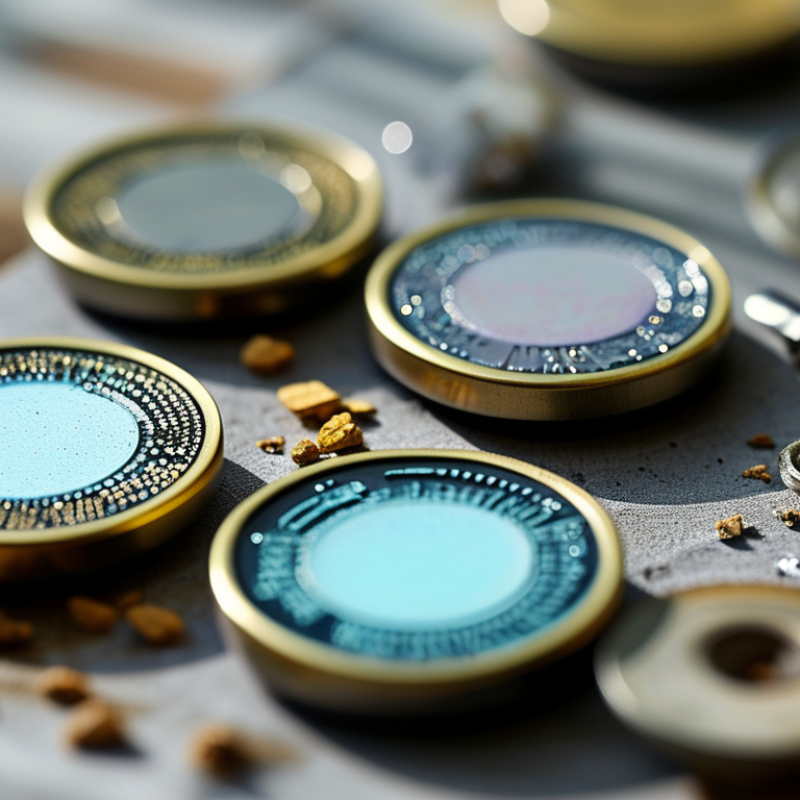
NdFeB magnetic badges have gained significant traction in various industries due to their unique properties. Made from neodymium, iron, and boron, these magnets provide high magnetic strength in a compact size. According to a market analysis by Research and Markets, the global demand for NdFeB magnets is expected to grow at a CAGR of 7.5% from 2023 to 2030. This growth highlights their increasing adoption in badges, particularly for organizational or identification purposes.
The application of NdFeB magnetic badges extends beyond just identification. Their strength and reliability make them ideal for security tags and membership cards. With a holding force that can exceed 25 kg in small badges, they ensure that the badges remain securely attached during daily activities. However, challenges remain. Some users may find the magnetic strength is too high, making it difficult to detach badges quickly. This could lead to frustrations in high-paced environments, such as events or conferences.
Additionally, NdFeB badges can corrode if not properly coated, which affects their longevity. It's essential to weigh the advantages against potential drawbacks. While they offer durability and functionality, ensuring they come with proper protective coatings is crucial. Overall, the versatility and strength of NdFeB magnetic badges are clear, but users must consider these factors in practical applications.
NdFeB magnetic badges are widely used across various sectors due to their strong magnetic properties. This chart illustrates the frequency of applications in different industries.
NdFeB magnetic badges have a wide range of practical applications in various fields. In the corporate world, these badges are commonly used for employee identification. Companies appreciate their strong magnetic properties, which prevent accidental detachment. Users often find them comfortable, as they minimize the risk of harming clothing.
In addition to professional contexts, NdFeB magnetic badges also serve in events or conventions. Attendees can wear them easily, and the magnetic closure provides convenience. A common drawback is that they may not stick well to thicker fabrics. Some users have reported that the badge can slip if not properly secured.
Another interesting application is in educational institutions. Schools utilize these badges for staff and student identification. This practice enhances security and fosters a sense of belonging. However, schools must ensure these badges are durable. Some users note that a flimsy design might not hold up in demanding environments, requiring regular replacements. Balancing durability with comfort can be challenging.
NdFeB magnetic badges offer several distinct advantages that make them increasingly popular in various applications. These badges utilize neodymium iron boron magnets, renowned for their strength. Their compact design enables them to hold firmly, even in demanding environments. Many users appreciate their lightweight nature, which adds comfort during prolonged wear.
One noteworthy benefit is their versatility. NdFeB magnetic badges can be found in a range of industries, from corporate settings to healthcare. They provide a secure way to display identification without damaging clothing. However, improper use can lead to issues, such as pinching or detaching unexpectedly. This calls for careful consideration of the badge's attachment method.
Another aspect worth mentioning is their aesthetic appeal. Many people find these badges visually engaging. They can be customized with different shapes and colors. Yet, the customization process can be complex and may not yield the desired result if not handled properly. Balancing magnet strength and design can pose a challenge, requiring expert knowledge to achieve the perfect outcome.
| Application | Advantages | Typical Use Cases |
|---|---|---|
| Employee Identification | Strong hold, easy to attach and detach, reusable | Corporate events, trade shows, employee badges |
| Medical Badges | Sleek design, lightweight, does not damage clothing | Hospitals, clinics, healthcare staff identification |
| Event Badges | Customizable, durable, can include logos and designs | Conferences, festivals, networking events |
| Security Badges | Secure attachment, can integrate with security systems | Access control, secure office environments |
| Promotional Badges | Eye-catching, can be easily mass-produced | Marketing campaigns, giveaways, brand awareness |
When comparing NdFeB magnetic badges with other types, several factors come into play. NdFeB magnets are known for their exceptional strength. They are much stronger than traditional ferrite magnets. This strength allows for a compact design without sacrificing holding power. Therefore, these badges can be thinner and lighter. This is crucial for comfortable wear and practical use.
In contrast, other magnetic badges may offer less durability. For example, traditional magnets can lose their strength over time. NdFeB does not degrade easily. However, they are also more sensitive to temperature changes. This can be a drawback in extreme conditions. So, while NdFeB excels in strength, its performance can vary based on the environment.
Cost is another consideration. NdFeB magnets tend to be pricier. This can affect budget decisions for bulk orders. Yet, the investment often pays off in applications that require reliable performance. It's vital to weigh the advantages against the potential downsides before making a choice. Choosing the right type of magnetic badge involves understanding your unique needs and constraints.
NdFeB magnetic badges are gaining traction due to their impressive performance and versatility. In the future, we can expect several trends that will enhance their applications and effectiveness. Innovations in materials may lead to lighter and more durable badges, catering to industries ranging from healthcare to advertising. This advancement will allow for more creative designs and functionalities.
One significant trend is the integration of smart technology into these badges. With built-in sensors, they could track user interactions and provide data analytics for businesses. This data could help refine marketing strategies or enhance event management. As a result, businesses will benefit from improved customer engagement and satisfaction metrics.
Tips: Always consider the right size and design for your needs. The magnetic strength should align with its intended purpose. Evaluate the durability of the materials used.
Another potential development is the eco-friendly production of NdFeB badges. As sustainability becomes a priority, manufacturers may shift to greener practices. This transformation will not only reduce waste but also align with growing consumer preferences for environmentally responsible products. Exploring these changes can be vital for businesses looking to stay relevant and impactful in their markets.
