

Scroll Top
4801 Bennett Rd. Toledo, Ohio 43612

Why are Lithium Batteries Essential for Modern Technology?

In today's fast-paced world, Lithium Batteries play a pivotal role in our daily lives. Experts like Dr. Emily Santos, a leading figure in battery technology, highlight their importance. She stated, "Without lithium batteries, modern technology would simply cease to function." This statement reflects the profound impact these batteries have on multiple industries.

From smartphones to electric vehicles, Lithium Batteries are integral to powering devices that connect and move us. They offer high energy density, which is crucial for efficiency. However, the production and disposal of these batteries raise environmental concerns. The demand for Lithium Batteries is soaring, but at what cost to our planet? It's essential to consider both their advantages and challenges.

As society advances, the need for sustainable solutions intensifies. We must question whether current practices in lithium extraction and battery recycling are adequate. There's a pressing need to innovate and improve on existing methods. Only then can we harness the true potential of Lithium Batteries without compromising our future.
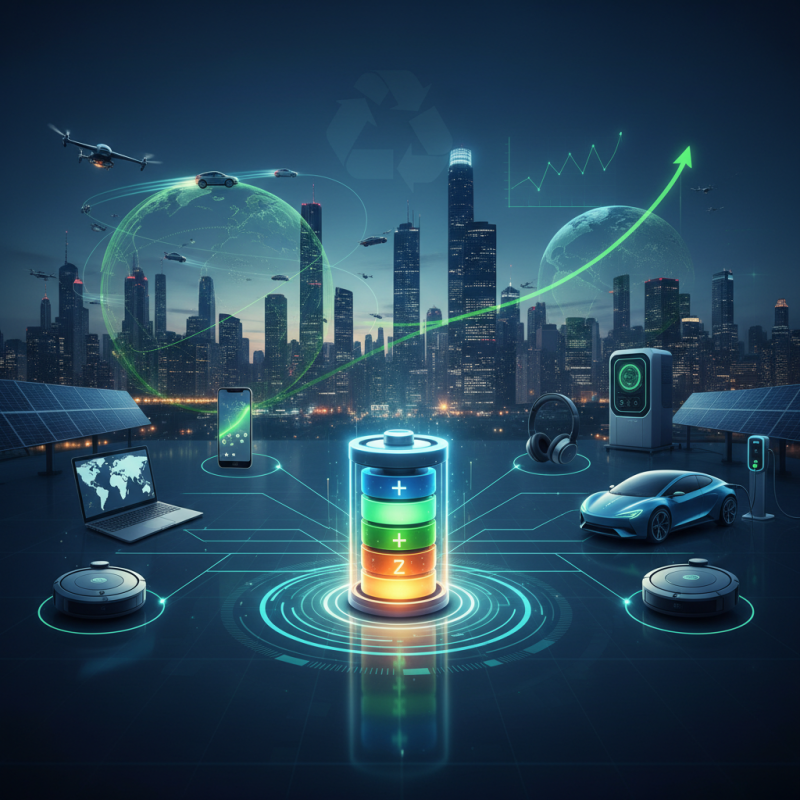
Why are Lithium Batteries Essential for Modern Technology?

The Role of Lithium Batteries in Portable Electronics

Lithium batteries have transformed how we interact with technology. They power a wide range of portable electronics. From smartphones to laptops, these batteries provide the necessary energy to fuel our daily activities. Their lightweight nature makes them ideal for portable devices. People rely on these devices for communication and work. Without lithium batteries, modern life would look very different.

The efficiency of lithium batteries also contributes to their importance. They offer high energy density, allowing devices to run longer on a single charge. Users want longer battery life, and technology has evolved to meet this demand. Yet, there are limitations. Battery life can diminish over time. Users often find themselves needing to charge more frequently, leading to frustration.

Moreover, not all lithium batteries are created equal. There are variations in quality and performance. This inconsistency can lead to safety concerns. Proper recycling and disposal are essential to address environmental issues. These batteries, while crucial, require careful management to minimize their impact. As portable electronics continue to advance, the role of lithium batteries remains vital but complex.

Advancements in Electric Vehicle Technology Driven by Lithium Batteries

Lithium batteries play a vital role in advancing electric vehicle technology. These batteries provide high energy density, which allows electric vehicles (EVs) to travel longer distances on a single charge. This is crucial for consumer acceptance. The lightweight nature of lithium batteries also improves overall vehicle efficiency. As a result, many manufacturers are focusing on developing innovative battery solutions.

When considering EV options, always check the battery’s range. Think about your daily driving needs. A good battery can make commuting easy. But, be aware that battery life can degrade over time. Factors such as temperature, charging habits, and age affect performance. This means you might face unexpected challenges.

EV technology continues to evolve, but imperfections remain. Charging infrastructure isn’t as widespread as gas stations. Also, recycling lithium batteries is still a developing field. We need better solutions for end-of-life management. Awareness of these issues is essential. Embracing innovation means addressing its shortcomings too.

Lithium Battery Innovations for Renewable Energy Storage Solutions

Lithium batteries play a critical role in renewable energy storage solutions. As renewable energy sources grow, effective storage becomes vital. Lithium-ion technology offers high energy density and efficiency, making it essential for solar and wind power. According to a report by BloombergNEF, the global lithium battery market is projected to reach $140 billion by 2025. This growth signifies a shift towards cleaner energy.

Challenges remain. The lithium extraction process can be environmentally damaging. Moreover, recycling these batteries effectively is still a significant hurdle. The demand for responsible sourcing is increasing, as is the need for safer disposal methods. Innovations are necessary to address these issues. For example, companies are exploring sustainable extraction methods to lessen their environmental impact.

Tip: When investing in renewable technology, consider battery management systems. These systems not only enhance battery life but also improve energy efficiency.

Storage solutions require attention to detail. For example, every region has different energy needs and sources. This diversity necessitates tailored lithium battery solutions, emphasizing local resource utilization. Research indicates that localized battery systems can reduce transmission losses.

Energy Density of Lithium Batteries Compared to Other Battery Technologies

Lithium batteries play a crucial role in modern technology, particularly in renewable energy storage solutions. As shown in the chart, lithium-ion batteries provide significantly higher energy density compared to traditional battery technologies like lead-acid and NiMH, making them ideal for applications that require lightweight and efficient power storage. Emerging technologies such as solid-state batteries are expected to further enhance energy density, thereby increasing the capabilities of future renewable energy systems.

The Impact of Lithium Batteries on Consumer Electronics Development

Lithium batteries have transformed consumer electronics. They provide high energy density and lightweight design, allowing devices to be portable. Smartphones, laptops, and tablets now rely on these batteries. They enable faster charging and longer usage times. However, the rapid advancement also brings challenges.

The environmental impact of lithium extraction is concerning. Mining can disrupt ecosystems, leaving lasting scars on the environment. Additionally, disposal of lithium batteries poses recycling challenges. Many end up in landfills, contributing to pollution. We must address these issues while enjoying technological advancements.

Consumers often overlook battery lifespan and performance. Devices may slow down as batteries degrade over time. Users face decisions about replacing batteries or upgrading devices altogether. This cycle can lead to e-waste, prompting reflection on sustainable practices. Balancing innovation with environmental responsibility is crucial in our tech-driven world.

Challenges and Future Trends in Lithium Battery Technology

Lithium battery technology faces numerous challenges. The demand for electric vehicles is skyrocketing. A report from the International Energy Agency (IEA) predicts that by 2030, the global demand for lithium could increase by over 90%. This surge is largely due to the shift towards sustainable energy solutions. However, acquiring raw materials is becoming more complex. Environmental concerns arise from lithium mining. Water scarcity and ecological disruption are significant issues.

Recycling lithium batteries remains a critical challenge. Currently, only about 5% of lithium batteries are recycled. This situation leads to resource wastage and increased environmental strain. Advances in recycling technologies are crucial. Research suggests that improving recycling rates could mitigate supply chain issues. Also, demand for a comprehensive framework on battery lifecycle management is urgent. Timelines for new technologies often fall short. The industry needs to act swiftly to avoid a potential crisis in battery supply.

The future trends in lithium battery technology look promising yet uncertain. Solid-state batteries offer improved safety and energy density. However, commercial viability is still a work in progress. Ultimately, the industry must navigate these complex challenges to harness the full potential of lithium batteries in modern technology.