

Scroll Top
4801 Bennett Rd. Toledo, Ohio 43612

What is a Led Projector and How Does It Work?

In today’s visual-centric world, the LED projector has emerged as a popular choice for presentations and entertainment. These devices utilize light-emitting diodes to create vivid images with impressive clarity. An LED projector is compact and energy-efficient, making it ideal for both home theaters and business environments. Their portability allows for easy setup in various places, enhancing the viewing experience.

The technology behind an LED projector involves a unique method of light generation. Unlike traditional models, they offer longer lifespans and reduced maintenance needs. Users can enjoy vibrant colors and deep contrasts, thanks to this advanced lighting technology. However, it's important to consider that not all LED projectors are created equal. Some may lag behind in brightness or resolution compared to others.

While the benefits are clear, potential buyers should reflect on their individual needs. The market offers a range of options, each with its pros and cons. A well-researched choice ensures satisfaction and lasting performance. Understanding how an LED projector works can lead to informed decisions for both families and professionals. The journey to finding the right model can be complex, yet rewarding.
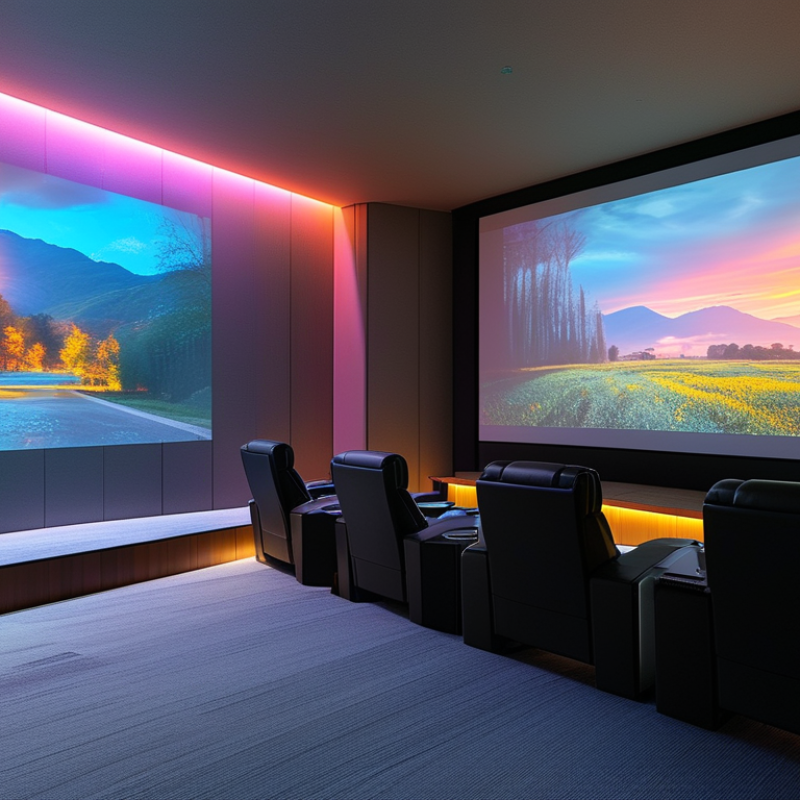
What is a Led Projector and How Does It Work?

What is an LED Projector: Definition and Key Features

An LED projector is a device that utilizes light-emitting diodes (LEDs) to produce images. These projectors are recognized for their high brightness and energy efficiency. One key feature is the immediate response time of LEDs, allowing for quick image projection. Unlike traditional projectors, LED projectors generate less heat and have longer lifespans, significantly reducing maintenance concerns.

LED projectors offer vibrant colors and sharp images due to the precise control of light. Their compact design makes them portable and easy to set up, perfect for both home and professional use. The lightweight nature allows easy transport, making them suitable for presentations or movie nights on the go.

Tips: When choosing a projector, consider the lighting conditions of your space. A dimly lit room compliments an LED projector’s contrast. Also, keep in mind that, while they are durable, the quality can vary. Always check reviews and specifications before purchasing. A short test run can reveal potential issues. Make sure to consider the placement; projecting on a flat surface ensures the best image quality.

The Technology Behind LED Projectors: How They Function

LED projectors have rapidly gained traction in various settings, driven by their advanced technology. They utilize light-emitting diodes to generate sharp and vibrant images. In essence, light is produced through tiny diodes that emit brightness across a broader spectrum. This method contrasts with traditional projectors that often use lamps. Industry data indicates that LED projectors can last up to 30,000 hours compared to 2,000 hours for conventional bulbs.

The functioning of LED projectors is based on a projection system that includes lenses, mirrors, and color filters. This setup enhances color accuracy and minimizes maintenance needs. For instance, the use of LED technology allows for instant on/off capabilities. Users can save time and resources, as the lifespan significantly reduces replacement costs.

However, these projectors can sometimes struggle in bright environments. The image quality may decline without proper ambient light control. Moreover, sound quality is another area needing improvement. Many LED projectors come with built-in speakers that may not satisfy audiophiles. Users often need external sound systems for better audio experiences. Thus, while LED projectors present powerful advantages, potential buyers should weigh these factors against their specific needs and settings.

Advantages of LED Projectors Over Traditional Projection Methods

LED projectors are rapidly gaining popularity due to their numerous advantages. One notable benefit is energy efficiency. Unlike traditional projectors, which consume more power, LED projectors use significantly less energy. This not only reduces electricity bills but also extends the lifespan of the device. LED lights can last up to 30,000 hours, which is remarkable compared to conventional bulbs that typically last around 2,000 hours.

Another strength lies in the color quality. LED projectors produce brighter and more vibrant colors. This is especially beneficial for presentations or home cinema experiences. Improved color accuracy enhances the viewing experience. People often underestimate the importance of good color contrast. Quality can make or break a presentation.

Furthermore, LED projectors tend to be more compact and lightweight. Portability favors users who need flexibility. Moving the device is usually hassle-free. On the downside, some users may find the initial costs higher. While they pay off over time, it's a significant consideration upfront. Balancing short-term expense with long-term benefits isn’t always easy.

Industry Applications of LED Projectors: Where and How They Are Used

LED projectors have gained traction across various industries. Their efficiency and vibrant colors make them suitable for a range of applications. In education, these projectors enhance classroom engagement. According to a recent market report from Research and Markets, the global education sector's use of projectors is increasing annually by 15%. Schools and universities are adopting LED projectors for interactive learning experiences.

In corporate environments, LED projectors play a significant role in presentations and meetings. Businesses value these tools for their brightness and clarity. Studies indicate that over 60% of organizations prefer LED projectors over traditional models for their reliability. This data highlights a shift toward more advanced technology in the workplace.

Entertainment is another area where LED projectors excel. They are widely used in home theaters and large events. The demand for LED projectors in this sector is projected to grow by 10% annually. Yet, challenges remain. Some users report issues with installation and compatibility with existing systems. Addressing these concerns is crucial for maximizing the benefits of LED projectors.

What is a Led Projector and How Does It Work? - Industry Applications of LED Projectors

Application Description Benefits Key Features
Education LED projectors are used in classrooms for interactive learning. Enhanced visibility and energy efficiency. Long lifespan, low heat emission, portability.
Business Presentations Used for displaying slides and videos during meetings and conferences. High brightness and better color reproduction. Wireless connectivity, compact design, 4K support.
Home Entertainment Ideal for projecting movies and games onto large screens. Superior image quality in dark rooms. High contrast ratio, various screen size options, built-in speakers.
Outdoor Events Used for film screenings, sports events, and concerts. Durable and can produce bright images in various lighting conditions. Weather-resistant, high brightness, and larger projection throw distance.
Art Installations Projecting visuals in galleries and public spaces for artistic displays. Versatile and can be used in various creative formats. Ability to play video on various surfaces, customizable settings.

Market Trends and Future Developments in LED Projection Technology

The LED projection technology is rapidly evolving. Market trends are shifting towards higher resolution and portable options. Users now prefer compact projectors that deliver bright colors and sharp images. This change reflects a growing demand for versatile devices suitable for various environments.

Recent developments focus on enhancing image quality through advanced LED chips. These chips offer better color accuracy and improved energy efficiency. Many consumers are excited about the potential of smart technology integration. Imagine projecting content directly from your smartphone or tablet.

However, not everything is perfect in this fast-paced market. Some projectors struggle with image brightness in well-lit environments. Additionally, the initial cost can be high for top-tier models. These issues highlight the need for ongoing research and user feedback in creating effective solutions. As the market grows, so too does the responsibility of manufacturers to meet consumer expectations.