
Scroll Top
4801 Bennett Rd. Toledo, Ohio 43612

What is an HR Slitting Machine and How Does it Work?

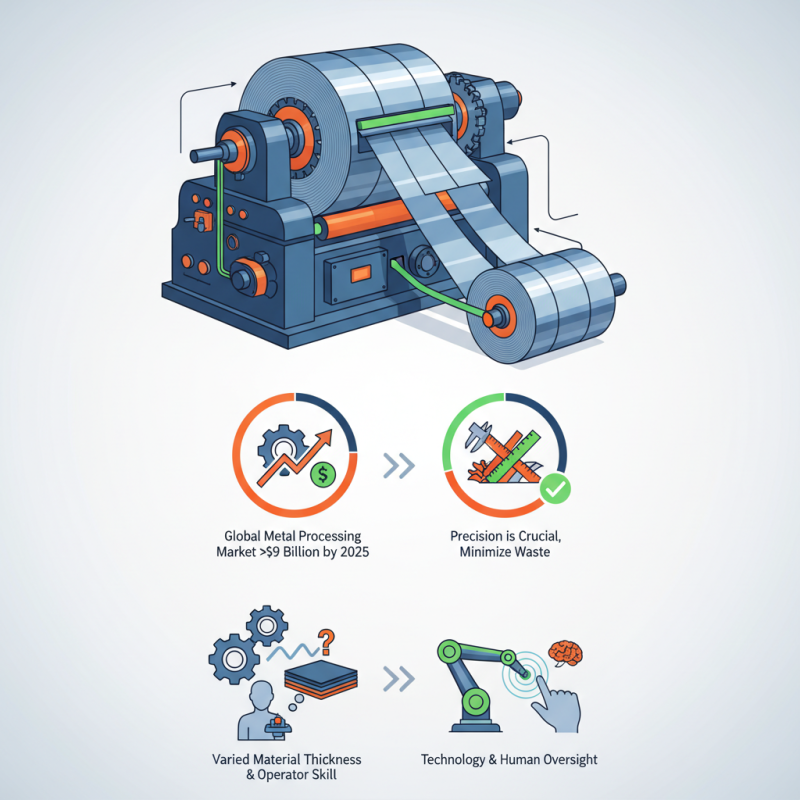
The HR slitting machine is a critical component in metal processing. It plays a vital role in various manufacturing sectors, particularly in the steel industry. According to a recent industry report, the global metal processing equipment market is expected to reach over $9 billion by 2025. This growth highlights the importance of efficient machinery like the HR slitting machine.

How does it work? Essentially, this machine slices large rolls of material into smaller strips. The precision is crucial, as even a minor error can lead to significant waste. In a world where every second and every inch of material counts, this machinery must perform flawlessly, yet human operators can still make mistakes.

Potential challenges exist. For instance, varied material thickness can affect performance. An operator's skill level also plays a part. Although technology continues to advance, the need for human oversight remains. This connection between technology and human skill reflects ongoing debates in the industry. As we explore the HR slitting machine, recognizing both its strengths and its limitations is essential.
What is an HR Slitting Machine and How Does it Work?

What is an HR Slitting Machine: Definition and Overview
What is an HR Slitting Machine and How Does it Work?

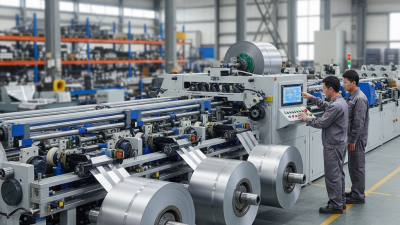
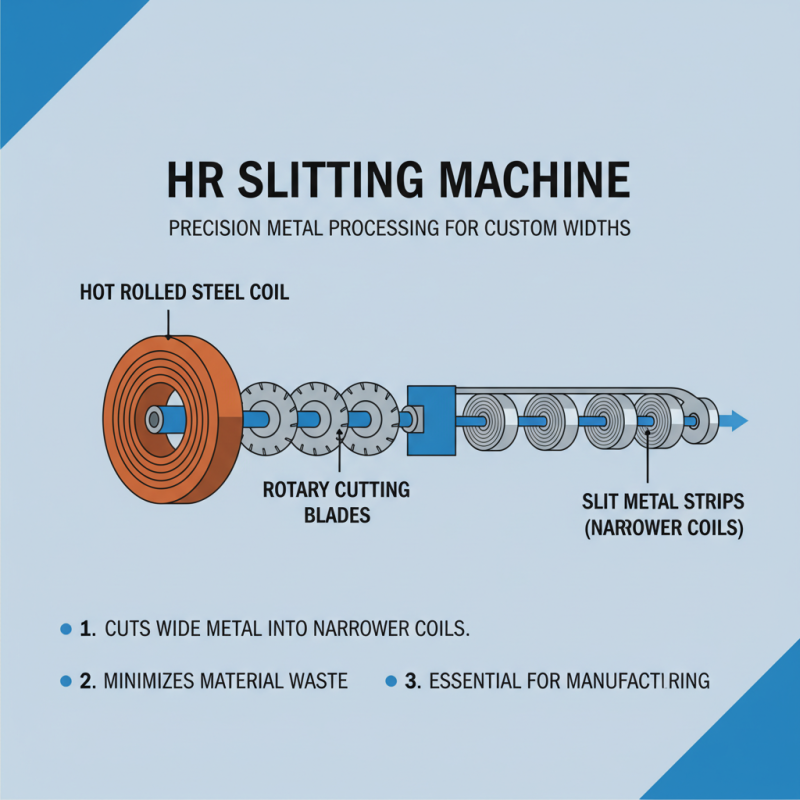
An HR slitting machine is a specialized tool used for cutting metal strips into narrower coils. Typically used in the processing of hot-rolled steel, it helps manufacturers create specific dimensions for their products. The machine operates by feeding large metal sheets through cutting blades. These blades slice the sheets into required widths with precision, ensuring minimal waste. Understanding the mechanics behind this operation is essential for any worker in the manufacturing sector.

Tips: Regular maintenance is vital. Inspect the blades often to ensure they remain sharp. Dull blades can lead to uneven cuts, impacting product quality. Adjusting the machine settings according to the material thickness is also crucial.

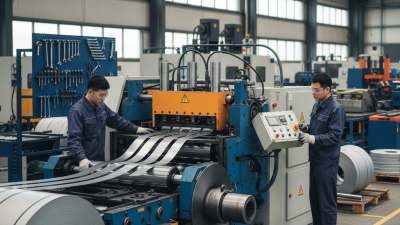
Operators must be cautious when using an HR slitting machine. Proper training is necessary to avoid accidents. Emergency shut-off buttons should always be within reach. Maintaining a clean workspace can prevent hazards that lead to machine malfunctions.

Pay attention to the setup process. A poorly aligned coil can cause tearing or improper cuts. This may require restarting the machine, wasting time and resources. Always double-check dimensions before starting the slitting process to enhance efficiency.
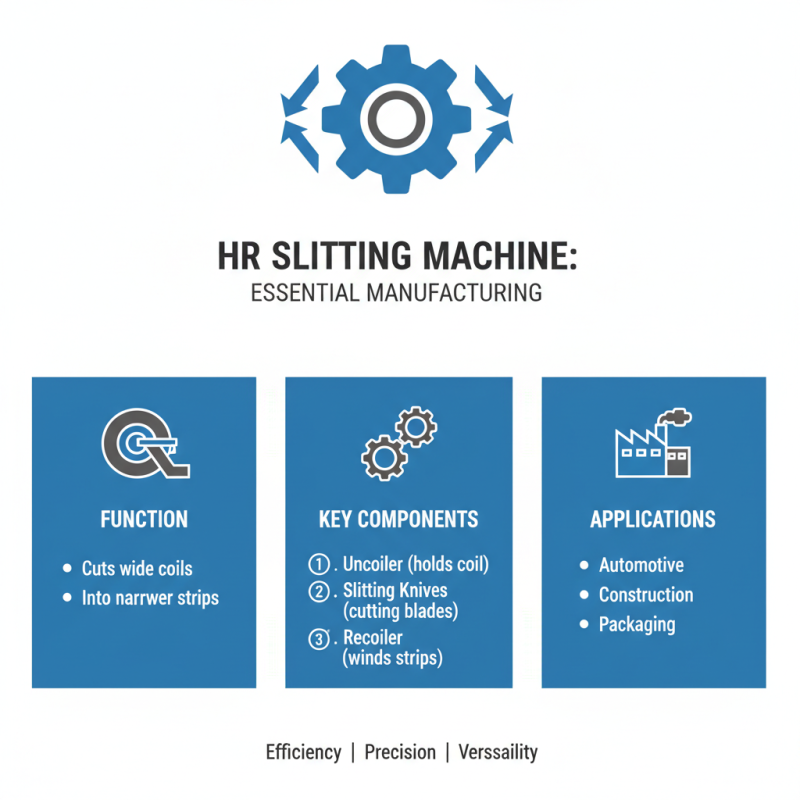
Key Components of an HR Slitting Machine Explained

What is an HR Slitting Machine and How Does it Work?

An HR slitting machine is essential in various manufacturing processes. It specializes in cutting wide coils of materials into narrower strips. The key components play a crucial role in its functionality.

The main component is the slitting head. It houses the blades that cut through the material. The blades must be sharp and durable. They need regular maintenance. A dull blade can lead to poor quality cuts, increasing waste. The unwind and rewind units are equally important. They ensure smooth feeding of the material. If the tension is not correctly adjusted, it may cause wrinkling or uneven cuts.

**Tip:** Always inspect the blades before starting production. Ensuring they are sharp will enhance cutting precision.

Another vital part is the control panel. It allows operators to monitor the machine's performance. Operators should familiarize themselves with the functions. Errors in settings can lead to undesirable outcomes, like misalignment of cuts.

**Tip:** Train operators well. This reduces the risk of mistakes that could halt production.

Maintaining the machine is crucial. Regular checks on bearings and belts can prevent breakdowns. A well-maintained machine operates efficiently. Neglect can result in costly repairs and downtime.

The Mechanism of HR Slitting: How It Operates

The HR slitting machine is an essential tool in metal processing. It operates by cutting wide metal coils into narrower strips. Understanding its mechanism can enhance production efficiency.

At the core of the HR slitting process is a set of rotating knives. These knives adjust their position to achieve precise cuts. As the coil feeds through the machine, the blades slice it into desired widths. The alignment of the knives is crucial. Misalignment leads to uneven strips and wasted materials.

Tips for optimal operation include regular maintenance checks. Ensure the blades are sharp and free from debris. Dull blades can cause jagged edges and safety hazards. Additionally, monitor the coil tension. A loose or tight coil can disrupt the slitting process. These simple steps can improve productivity and reduce costs.

Lastly, keep records of operational performance. Document any issues encountered. This data can reveal patterns that need attention. Continuous reflection on the process can lead to better outcomes. Adjusting settings based on feedback is vital. It's not just about cutting metal. It's about making the process smoother.

What is an HR Slitting Machine and How Does it Work? - The Mechanism of HR Slitting: How It Operates

Feature Description Operational Parameters
Cutting Width Determines the maximum width of the material that can be processed. Up to 2000 mm
Material Thickness Specifies the thickness range of the materials that can be cut. 0.2 mm to 6 mm
Slitting Speed Speed at which the material moves through the machine during the slitting process. 20 m/min to 100 m/min
Slitter Type Types of slitting methods used (e.g., rotary, shear). Rotary and Shear Slitters
Control System Type of control system used for operation, typically automated. PLC or CNC Control
Edge Quality Quality of the slitted edges of the material. Smooth, burr-free edges

Common Applications of HR Slitting Machines in Industry

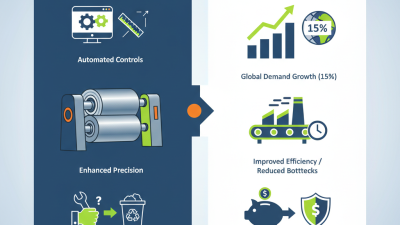
HR slitting machines are vital in various industries. They are primarily used for cutting metal sheets into narrower strips. This process is crucial in sectors like automotive and construction. According to industry reports, the global metal slitting market is projected to reach $1 billion by 2025. This demonstrates the growing reliance on these machines.

In the automotive industry, HR slitting machines play a significant role. They allow for precise cuts in steel and aluminum sheets. This precision is essential for producing components that fit perfectly in vehicles. In construction, these machines are used to create steel frames. Approximately 70% of construction materials require some form of slitting. Without these machines, production efficiency would drastically decrease.

Yet, HR slitting machines also have limitations. Incorrect settings can lead to material waste. Reports show that about 10% of slitting operations produce defective strips. This indicates a need for ongoing training and better calibration practices. Despite their efficiency, operators must be vigilant about maintenance. A well-maintained machine performs better and reduces waste.

Maintenance Tips for Ensuring Optimal Performance of HR Slitting Machines

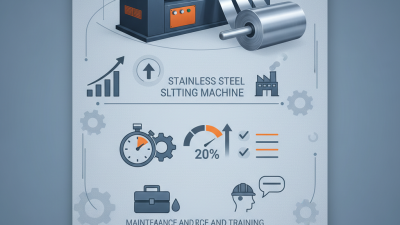
Maintenance is crucial for HR slitting machines. Regular upkeep ensures their efficiency and longevity. According to industry reports, properly maintained machines can increase productivity by up to 30%. Neglecting maintenance can lead to costly downtimes.

Operators should perform daily inspections to check for wear and tear. Lubrication is key; it reduces friction and extends the machine life. Replace dull blades promptly. A sharp blade is essential for precise slitting. Routine maintenance schedules can also help in identifying minor issues before they escalate.

Monitoring machine performance is vital. Data shows that even small deviations can affect output quality. Users should track metrics and adjust operations accordingly. Don't overlook cleaning; accumulated debris can lead to malfunctions. Regular maintenance isn't just a routine; it's a necessity for optimal performance.

HR Slitting Machine Performance Metrics

This chart represents the key performance metrics of HR Slitting Machines. The metrics include speed, blade life, downtime, and maintenance frequency, which are essential for monitoring performance and ensuring optimal operation.