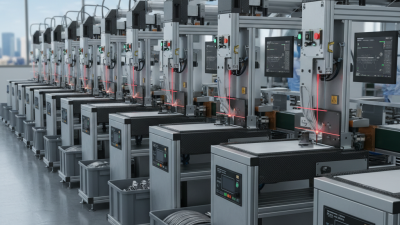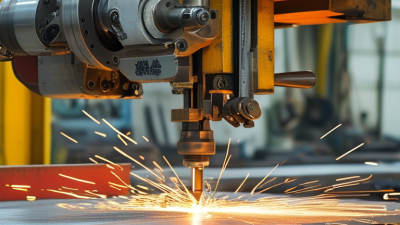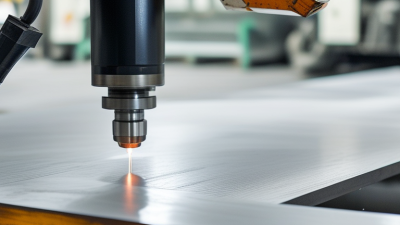

Choosing a metal processing machine is rarely as simple as comparing prices and motor power. The right equipment must match the material, thickness, production volume, and required accuracy. Steel, aluminum, copper, and stainless steel respond differently under heat, pressure, and cutting force. A machine that performs well on thin aluminum may struggle with thick carbon steel.
Real workshop conditions matter. Measure the available floor space, power supply, ventilation, and material-handling route. Check whether a 2,000-kilogram machine can enter the building safely. Small details matter. A narrow doorway can stop an excellent purchase.
This guide explains how to evaluate a metal processing machine using practical engineering criteria. It considers cutting capacity, repeatability, control systems, tooling, maintenance, and operator safety. Manufacturer specifications are useful, but they should not be accepted without context. Request sample results, inspect finished edges, and ask about service response times. Speaking with experienced operators can reveal problems that brochures often hide.
Budget planning should include installation, training, tooling, energy use, and future repairs. The cheapest machine may create expensive downtime. However, the most advanced model is not automatically the best choice. That assumption deserves reflection. A reliable machine with accessible support may outperform a sophisticated system in a smaller workshop. Production goals can also change, so allow room for future materials and higher workloads. Careful selection combines technical evidence, supplier credibility, and honest knowledge of daily operations.
Choosing a metal processing machine starts with a precise task, not a machine catalogue. Define material grade, thickness, dimensions, geometry, tolerance, surface finish, and monthly volume. A 2 mm stainless-steel sheet needing clean holes differs from a 20 mm carbon-steel plate needing bevelled edges. The output must be measurable. Specify parts per hour, acceptable burr height, dimensional tolerance, and rework limits. World Steel Association reported 1,888.2 million tonnes of crude steel production in 2023, according to World Steel in Figures 2024. That scale signals competition, but it does not identify the right process for your workshop.
Match the process to the required result. Laser cutting may suit thin, detailed profiles. Plasma or oxy-fuel can serve thicker plate. Turning, milling, bending, or punching may follow. Do not judge capacity by maximum thickness alone. Check kerf width, heat-affected zones, positional accuracy, tooling changes, extraction, and operator skill. The International Federation of Robotics recorded 541,302 industrial robot installations worldwide in 2023, in World Robotics 2024. Automation can improve repeatability, yet it can also repeat a poor specification quickly. That is an uncomfortable lesson. Request a sample run using your actual material and drawing. Measure it independently.
Tips: Prepare a one-page output specification before requesting quotations. Include tolerances, inspection methods, batch size, and possible material changes. Ask for cycle-time evidence, not optimistic estimates. Leave capacity for maintenance and setup. I would also budget for mistakes; early assumptions are often too neat.
Choosing a metal processing machine starts with the material, not the machine catalog. Steel, aluminum, copper, and titanium respond differently to heat, pressure, and cutting speed. A high-carbon steel plate may need rigid cutting equipment and controlled heat input. Thin aluminum can deform under excessive clamping force. It depends. In my workshop assessments, I record grade, thickness, hardness, and surface condition before comparing equipment. Material certificates and trial cuts provide more reliable evidence than assumptions.
Shape determines the machine’s reach and control requirements. Long profiles often suit saws or laser systems with stable feeding. Flat sheets need accurate motion and consistent support. Tubes, flanges, and irregular parts may require multi-axis cutting or forming equipment. For tight internal corners, check tool diameter, beam focus, or bend radius. Small details matter. A machine rated for thick stock may still produce poor edges on delicate parts. Ask for sample processing under real production conditions, including actual tolerances and batch sizes.
The operation should guide the final choice: cutting, drilling, turning, milling, bending, welding, or surface finishing. Cutting speed alone is not enough; kerf width, heat-affected zones, burrs, and setup time affect cost and quality. Automation can improve repeatability, but it also demands trained operators and dependable maintenance. I have seen capable machines underperform because fixtures were unsuitable or programs were rushed. That mistake is easy to repeat. Review safety controls, dust or fume management, power requirements, and service access before purchase. A measured trial, documented results, and operator feedback usually reveal more than a polished specification sheet.
How to Choose a Metal Processing Machine?
Choosing a metal processing machine starts with your production requirements, not the machine’s advertised maximum. Measure your typical sheet thickness, material type, workpiece size, and monthly output. A machine rated for heavy steel may perform poorly on thin aluminum if its control system lacks suitable settings. Capacity must match your real workload, with some allowance for future orders.
Precision deserves careful testing. Ask for sample cuts or bends using your actual material and thickness. Check dimensional tolerance, edge quality, repeatability, and heat distortion. In daily production, a small deviation can create costly fitting problems. Operators should also inspect calibration procedures and measurement tools. Specifications look impressive, but factory results matter more.
Speed is useful only when the whole process supports it. Compare cutting time, setup time, tool changes, loading, unloading, and maintenance intervals. A fast machine may still reduce output if operators wait for material handling. Consider the production rhythm. Can one person run it safely and consistently? I once favored a faster machine, but underestimated setup delays. That judgment was wrong. Look at duty cycle, software usability, training needs, and service response before deciding. A balanced machine often delivers more dependable production than the fastest available option.
Choosing a metal processing machine requires more than comparing cutting speed. Automation should match your workload, skills, and future orders. The International Federation of Robotics reported 541,302 industrial robots installed worldwide in 2023. That figure shows automation is expanding, but higher automation is not always better. A small workshop may gain more from automatic tool monitoring than a complex robotic cell. Ask whether the machine detects jams, stops safely, and records production data.
Safety features deserve practical testing. Check guarding, interlocks, emergency stops, light curtains, and clear operator access before purchase. OSHA’s 2023 Top 10 citations recorded 1,644 machine-guarding violations. That number reflects a continuing workplace risk. During a demonstration, place your hands near the loading area, not inside it. Watch how quickly the machine stops. A safety label alone proves little.
Maintenance and energy use affect the real operating cost. Choose accessible filters, standard wear parts, diagnostic alerts, and documented service intervals. The U.S. Department of Energy’s Operations and Maintenance Best Practices Guide links predictive maintenance with lower downtime and improved equipment reliability. Energy also deserves measurement. The International Energy Agency’s Energy Efficiency 2023 report estimates industry uses about 37% of global final energy. Compare standby power, motor efficiency, compressed-air demand, and recovery systems. I would avoid trusting estimated savings without a site trial. Actual material thickness, shift patterns, and operator habits can change the result. The cheaper machine may become expensive after six months.
Estimate the total ownership cost over five years, not only the purchase price. Include shipping, installation, commissioning, energy, tooling, consumables, software, maintenance, training, and disposal. Ask for realistic cycle times and power use under load. Idle figures can mislead. Record expected output, material thickness, labor needs, and available floor space. A faster machine may justify a higher price if uptime remains reliable. It may not.
I once compared two machines using only their quotations. That estimate was wrong. One required special tooling and longer commissioning. Those costs changed the decision. Request a written cost schedule with clear assumptions. Check warranty exclusions, preventive maintenance intervals, spare-part prices, and technician travel charges. Also ask how downtime is handled. A supplier should provide response times, service channels, installation training, operating manuals, and troubleshooting guidance. Vague promises deserve careful questioning.
Supplier support matters throughout the machine’s working life. Ask for references from facilities with similar materials, production volumes, and working conditions. Confirm whether critical parts are stocked locally or shipped internationally. Review software update policies and operator training options. A remote diagnostic system can help, but it cannot replace skilled onsite support. Visit the supplier’s service operation when possible. Notice how requests are recorded and followed up. Small details reveal reliability. Require acceptance testing with agreed performance measurements before final payment. Recheck every assumption, especially the optimistic ones.