

Scroll Top
4801 Bennett Rd. Toledo, Ohio 43612

2026 How to Choose the Best Electronic Tension Meter?

Choosing the right Electronic Tension Meter is crucial for ensuring accuracy in various engineering applications. Dr. Joseph Carter, a leading expert in measurement technologies, emphasizes, "An accurate Electronic Tension Meter is essential for precision." This statement spotlights the significance of selecting the best device to meet your specific needs.

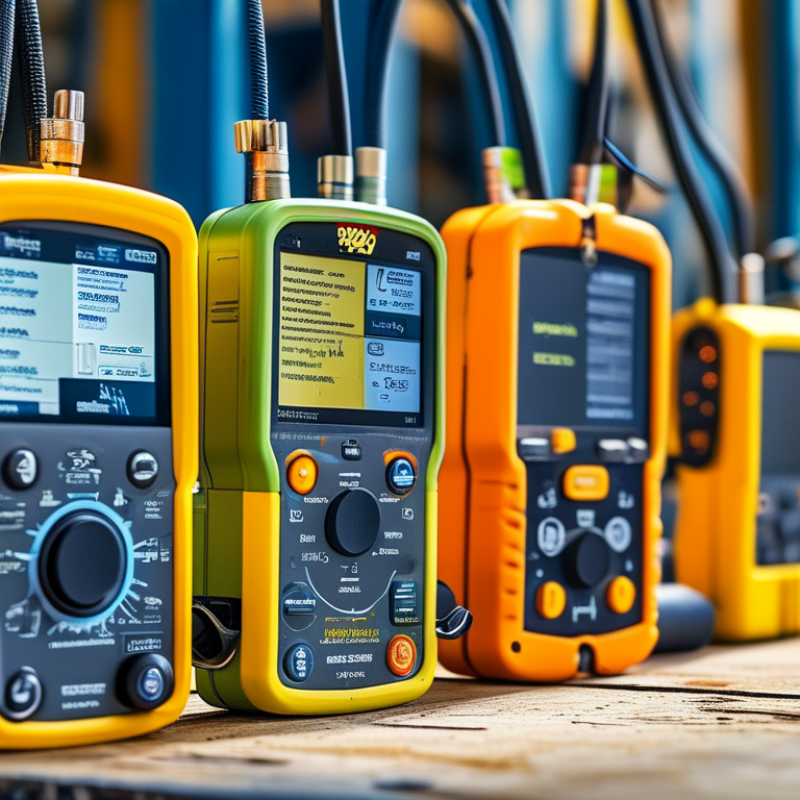
An Electronic Tension Meter measures the tension in wires or cables. The accuracy of these readings directly impacts project quality. Selecting an inadequate meter may lead to costly mistakes. It's vital to consider features such as range, calibration, and ease of use. A meter that's difficult to operate can hinder results.

In a market full of options, making the right choice may feel overwhelming. Each model has its pros and cons. Some may excel in portability, while others offer advanced data capabilities. Reflecting on your requirements can lead to a smarter decision. Understanding what features matter most can streamline the selection process. Choosing wisely today sets the stage for successful outcomes in your future projects.
2026 How to Choose the Best Electronic Tension Meter?

Understanding Electronic Tension Meters: Key Features to Consider

When choosing an electronic tension meter, several key features warrant careful consideration. Accuracy is paramount. Apart from ensuring correct measurements, a reliable meter should have a margin of error less than 1%. According to industry reports, over 30% of errors in material testing result from faulty devices. This highlights the need for precision.

Another important factor is the sensor type. Strain gauges and load cells are commonly used. Each has distinct advantages. Strain gauges offer improved sensitivity, while load cells are robust and durable. Always evaluate the specific application requirements. Durability and ease of use also play crucial roles. A meter that withstands harsh conditions will save costs in the long run. Almost 45% of professionals reported device failure due to inadequate durability.

Calibration features should not be overlooked, either. Automated recalibration can ensure consistent performance. This is critical in industries like aerospace and automotive, where safety is non-negotiable. Many users may not realize this importance until faced with inaccuracies during testing. Understanding the trade-offs in features can lead to smarter purchasing. These considerations contribute to a more informed choice in selecting an electronic tension meter.

2026 How to Choose the Best Electronic Tension Meter? - Understanding Electronic Tension Meters: Key Features to Consider

Feature Description Importance Example Value
Measurement Range The span of tension that the meter can accurately measure. Critical for ensuring the meter can handle the required tension levels. 0.1 - 300 N
Accuracy The degree to which the measured value reflects the true value. Essential for reliable results. ±1%
Display Type The format of the readout, such as digital or analog. Impacts readability and user experience. Digital LCD
Data Logging Ability to record and store measurement data for analysis. Useful for tracking changes over time. Yes, up to 1000 readings
Battery Life The duration the device can operate on a single charge. Longer battery life enhances convenience. Up to 200 hours
Weight The weight of the tension meter for portability. Lighter instruments are easier to handle. 500 g

Types of Electronic Tension Meters and Their Applications

When selecting an electronic tension meter, it’s crucial to understand the various types available. Different models cater to different needs. For instance, some meters measure dynamic tension, while others focus on static loads. Dynamic meters are ideal for applications where tension changes frequently, such as in sports equipment. Static devices are better suited for measuring the tension of fixed structures, like bridges.


In addition to types, consider the applications of these devices. Some tension meters excel in industrial settings, monitoring machinery tension. Others perform exceptionally well in laboratories, ensuring precise measurements in research. However, accuracy can vary. Users should verify calibration regularly. Meters that are not calibrated may produce unreliable results, leading to potential errors in assessments.


When using an electronic tension meter, familiarity with proper operation is essential. Misreading measurements can occur if users rush the process. In the end, understanding the specific type and application of a tension meter can greatly enhance effectiveness in various fields.

Factors Influencing the Accuracy of Tension Measurements

When selecting an electronic tension meter, understanding the factors influencing accuracy is vital. The calibration of the device plays a crucial role. A well-calibrated meter ensures that measurements reflect true tension values. Regular calibration is necessary to maintain accuracy over time. Devices that are used frequently can experience drift, leading to erroneous readings.

Environmental conditions also impact tension measurements. Temperature changes can affect material properties, altering tension readings. Moreover, humidity can introduce varying levels of moisture, which may affect the integrity of the materials being measured. Ignoring these factors can lead to inconsistencies.

User technique is another critical element. Proper handling and usage of the device can significantly affect results. Misalignment or improper application of the meter can introduce error. Training and practice are key for accurate tension measurements. Even experienced operators can overlook minor details, leading to variability in outcomes. This highlights the importance of ongoing education and awareness in application settings.

Evaluating Ease of Use and User Interface in Tension Meters

When evaluating tension meters, the ease of use and user interface are critical factors. A well-designed interface can significantly enhance user experience. Look for meters with clear displays and intuitive navigation. A simple layout minimizes confusion, allowing users to focus on accurate readings.

Consider the features offered by the meter. Some devices provide real-time data, which is essential for immediate feedback. However, too many functions may complicate use. Balance is crucial. A device should facilitate straightforward operation while still offering necessary functionalities. Taking time to understand different options can improve user confidence.

Training on using these devices is also important. Even the best tools need a knowledgeable user. A user manual that is easy to understand can make a big difference. Think about the learning curve. If a meter requires extensive training, it may not be the best choice. Evaluate the level of support provided by the manufacturer. This helps ensure you have the guidance needed for effective use.

Price vs. Performance: Finding the Right Balance in Selection

Choosing the right electronic tension meter involves a fine balance between price and performance. Many buyers focus heavily on price, often overlooking the importance of quality. An affordable device may seem tempting, but it could lack precision and durability. Investing too little might lead to unreliable readings, impacting your projects negatively.

Performance, on the other hand, is crucial. Look for meters that offer consistent results. Features like accuracy, ease of use, and durability should also be considered. Sometimes, higher-priced models provide specialized functionalities that can improve your workflow. However, not every costly device guarantees superior performance; some may merely offer brand prestige.

Reflect on your specific needs. If you require basic tension measurement for intermittent tasks, a lower-priced option might suffice. If your work demands high precision, consider spending more. Find a meter that balances both aspects effectively. Remember, the goal is not just to spend money, but to make an informed choice that benefits your work in the long run.