

How to Choose a UV Coating Curing Machine
Choosing a Uv Coating Curing Machine is a process decision, not just a purchase. The right system must match the coating, substrate, production speed, and available floor space. A glossy finish on a flat carton may need different settings from a durable coating on a curved plastic part. Small mismatches can leave tacky spots, uneven gloss, or heat-sensitive materials warped.
A practical principle for evaluating equipment is: “Choose the curing system around the coating and production line, then verify the result on the actual substrate.” This is editorial guidance, not a verified quotation from a named industry expert; a named source should be confirmed before publication. That distinction matters. Reliable equipment advice should be testable, not dressed up as a quote.
This outline will examine UV lamp types, curing intensity, conveyor speed, working width, ventilation, controls, maintenance, and supplier support. It will also explain how to run a sample test and check cure quality before committing to a machine. Bring real production samples. Measure the available line space. And leave room for a second test; the first result may not tell the whole story.
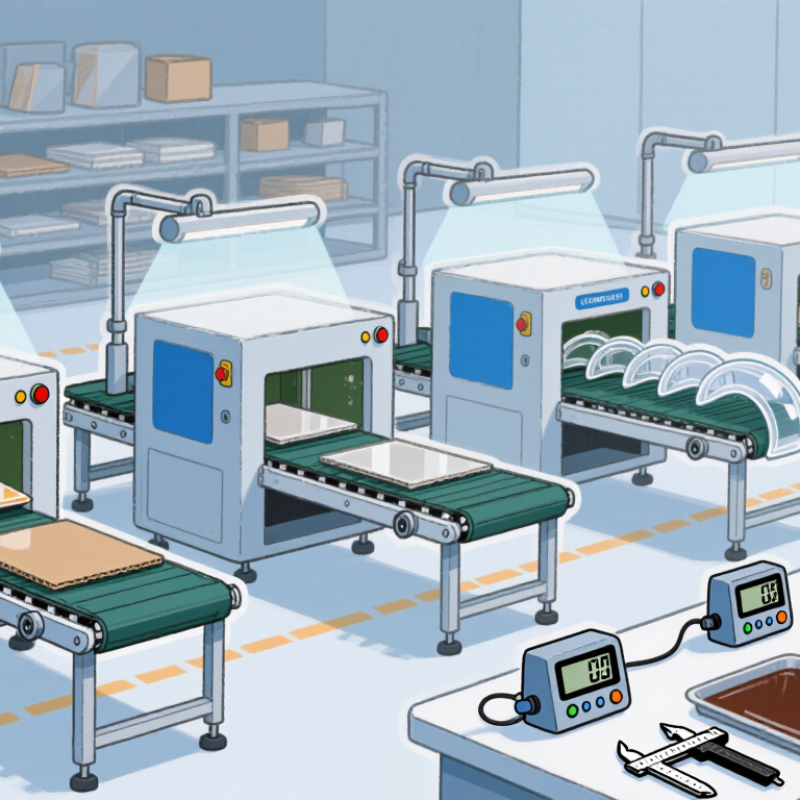
Identify Your Coating, Substrate, and Production Requirements
How to Choose a UV Coating Curing Machine
Identify Your Coating, Substrate, and Production Requirements
Start with the coating’s technical data, not the machine’s advertised power. Check its recommended UV wavelength range, required dose, and film thickness. Photoinitiators respond to specific wavelengths, so a strong lamp may still cure poorly if its spectrum is mismatched. Ask the coating supplier for test conditions, then verify them on your own line. Small differences matter.
The substrate sets practical limits. Paperboard can tolerate different heat and handling conditions than thin plastic film, wood, or a coated panel. Note whether the surface is flat, textured, or absorbent; these features can affect coverage and cure consistency. Run a sample through the proposed setup and inspect it for tack, smearing, adhesion, and surface defects. A dry-looking surface is not proof of a complete cure. I’ve seen that assumption cost time.
Production details shape the equipment choice. Record line speed, working width, coating weight, and available space around the curing zone. A faster line may need greater UV dose, but slowing production is not always the best fix. Lamp distance, reflector condition, and airflow can change results. Check them. If the coating or substrate varies between batches, leave room for adjustment and retesting. Real production is rarely as tidy as a specification sheet.
How to Choose a UV Coating Curing Machine - Identify Your Coating, Substrate, and Production Requirements
| Selection factor | What to identify | Practical guidance | Machine implications |
|---|---|---|---|
| Coating chemistry | UV-curable coating type, photoinitiator response, recommended wavelength, and required dose | Use the coating technical data sheet to confirm the usable spectrum and minimum curing conditions. A surface that feels dry may still be undercured through its full thickness. | Match the lamp spectrum and delivered UV energy to the coating. Confirm the result with the coating supplier and production trials. |
| UV source | Broad-spectrum mercury-vapor lamp or UV LED system | Mercury lamps emit a broad UV spectrum and typically produce more heat. UV LED systems emit within selected wavelength bands, commonly around 365, 385, 395, or 405 nm, and generally radiate less infrared heat toward the workpiece. | Choose a source that overlaps the coating’s required wavelength range. Check lamp compatibility, cooling, warm-up requirements, maintenance, and available replacement components. |
| Substrate material | Paper, board, plastic film, rigid plastic, glass, metal, or wood | Heat-sensitive films and some plastics can distort under excess heat. Porous materials may absorb coating unevenly; reflective or transparent materials can affect light distribution. | Assess substrate temperature limits, web or sheet handling, support, and cooling. Test the actual substrate and coating combination before choosing final settings. |
| Coating layer | Coating thickness, opacity, color, gloss level, and whether the coating contains pigments | Thicker, darker, or more opaque layers can reduce UV penetration and may need a different formulation, more exposure, or multiple curing stages. | Confirm that the system can provide adequate irradiance and dose throughout the coating layer without overheating or damaging the substrate. |
| Production format | Sheet-fed or roll-to-roll processing; maximum width, length, and substrate thickness | Record the largest and smallest product dimensions, edge requirements, and whether parts need to be cured on one or both sides. | Size the conveyor, feed system, lamp width, guarding, and handling equipment for the full product range and planned line layout. |
| Required throughput | Target output per hour, conveyor speed, batch size, and acceptable changeover time | Required exposure depends on both the coating and the process. Increasing conveyor speed reduces exposure time unless the system can deliver a suitable curing dose at the faster speed. | Ask for performance data at the intended working distance and line speed. Validate curing at normal speed and at the highest planned production rate. |
| Measurement and process control | Repeatability requirements, allowable variation, and available UV measurement tools | UV irradiance describes the intensity reaching a surface; UV dose is the energy received over time. Both can affect curing, along with wavelength and coating formulation. | Provide suitable radiometer access and establish routine checks. Record operating settings and verify them after lamp or LED-module maintenance. |
| Cooling and heat management | Substrate temperature limit, ambient conditions, and heat-sensitive downstream operations | Mercury lamps and some high-power systems can add significant heat. UV LED systems generally reduce infrared heat at the substrate, but the equipment still requires thermal management. | Consider forced-air or water cooling where specified, ventilation, temperature monitoring, and the available facility utilities. |
| Safety and installation | Operator access, electrical supply, ventilation, and local workplace requirements | UV exposure can harm skin and eyes. Some UV-curable formulations may also require ventilation and appropriate handling controls. | Use fully enclosed or properly shielded equipment, interlocks, warning indicators, and installation practices that meet applicable safety requirements. |
| Acceptance testing | Adhesion, hardness, scratch resistance, solvent resistance, appearance, and any customer specifications | Choose test methods that reflect the end use and coating supplier recommendations. A single surface check may not confirm complete cure or long-term performance. | Run trials using production materials and document the source, settings, speed, and test results before approving the machine for routine use. |
Selection note: Machine capability and curing results depend on the specific coating, substrate, lamp condition, wavelength, irradiance, dose, and process setup. Treat this table as a screening guide and confirm operating conditions through supplier data and production testing.