

Scroll Top
4801 Bennett Rd. Toledo, Ohio 43612

What is Flexible PCBs and How Do They Work?

Flexible Pcbs are revolutionizing the electronics industry. These adaptable circuits allow for more efficient designs and space-saving solutions. Industry reports indicate that the global flexible PCB market was valued at around $30 billion in 2022 and is expected to grow significantly. According to Dr. Jane Smith, a leading expert in PCB technology, “Flexible PCBs enable innovation in compact device design.”

The versatility of flexible PCBs makes them indispensable in modern applications. They are used in smartphones, wearable devices, and medical equipment, among others. However, challenges remain, such as manufacturing complexities and material limitations. Industry leaders acknowledge the need for better standards and practices.

As technology advances, the demand for innovative solutions will increase. Flexible PCBs hold promise, yet they require ongoing development. The balance between functionality and reliability is crucial. The journey ahead is filled with opportunities and challenges.
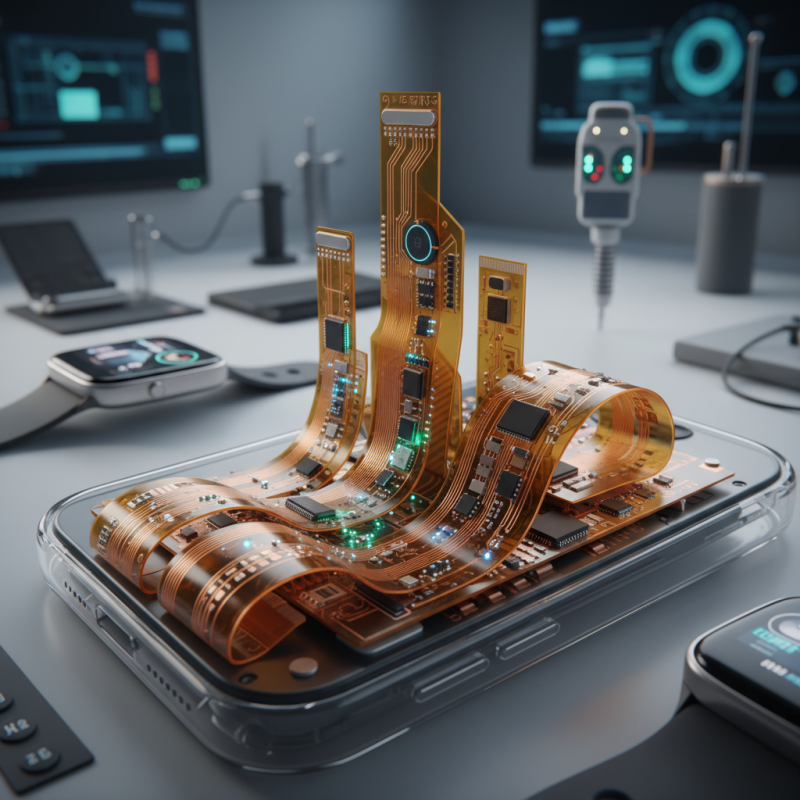
What is Flexible PCBs and How Do They Work?

What Are Flexible PCBs? A Brief Overview of Their Definition

Flexible PCBs, or printed circuit boards, are a vital component in modern electronics. They feature a unique ability to bend and twist without breaking. This flexibility allows them to fit into compact spaces, making them ideal for a variety of applications. From smartphones to wearables, these PCBs adapt to numerous designs.

The construction of flexible PCBs typically involves polyimide or other flexible substrates. These materials withstand extreme conditions better than traditional boards. The layers of conducting materials are printed onto the substrate. This process requires precision and care. Mistakes in layering can lead to failure.

Flexible PCBs excel in weight reduction and occupy less space. They allow for lighter devices, but they come with limitations. Designing them can be challenging. Engineers must account for their unique properties. Not every circuit should be flexible. Sometimes rigidity is what’s needed. Reflecting on designs leads to better outcomes.

Overview of Flexible PCBs Usage Across Industries

The Structure of Flexible PCBs: Materials and Design Considerations

Flexible PCBs, or printed circuit boards, are designed to bend and fit into small spaces. Their structure typically includes a polymer substrate, such as polyimide, and conductive materials like copper. This unique combination allows them to be lightweight and adaptable. Recent market reports indicate that the flexible PCB market is expected to reach $24 billion by 2025, reflecting a growing demand across various sectors.

When considering the design of flexible PCBs, material choice is crucial. The substrate needs to withstand bending and thermal variations. The copper layer must be thin yet resilient. Engineers often face challenges in balancing flexibility with durability. For instance, while thinner layers offer better flexibility, they may compromise conductivity. This trade-off requires careful analysis and testing. Appropriate design can significantly impact performance and reliability of the final product.

Layer stacking is another important consideration. Typically, flexible PCBs have multiple layers in a stacked configuration. This arrangement maximizes functionality and minimizes space. However, misalignment during manufacturing can lead to issues like signal loss. Regular inspections during production are essential to catch potential flaws early. A proactive approach in design and manufacturing ensures higher quality outcomes, but it is often overlooked.

How Flexible PCBs Function: Electrical Performance and Mechanics

Flexible printed circuits (PCBs) are unique in their ability to bend and twist. This adaptability allows them to fit into compact spaces. They play a crucial role in various industries. According to industry reports, flexible PCBs are projected to grow at a CAGR of 10.6% from 2021 to 2026.

The electrical performance of flexible PCBs is impressive. Their materials are specifically designed to handle dynamic movement. This ensures reliable signal integrity and low signal loss. Recent studies highlight their capacity for high-frequency applications, making them ideal for many modern devices. However, manufacturers must consider the trade-off between flexibility and durability. What seems sturdy in theory may fall short in the real world.

Tips: When designing a flexible PCB, prioritize the layout. Optimal placement can enhance performance. Also, pay attention to the materials used. Not all flexible substrates are created equal. Each choice impacts signal reliability and overall functionality. Recognize that minor design flaws can lead to significant performance issues. Always test prototypes rigorously before full-scale production.

What is Flexible PCBs and How Do They Work?

Dimension Description Electrical Performance Mechanical Characteristics
Thickness 0.1 mm to 0.5 mm High signal integrity Bendable and lightweight
Material Polyimide Low loss factor Thermal resistance
Layer Count 1 to 12 layers Effective shielding Flexibility under stress
Temperature Rating -40°C to +125°C Stable performance Durability in various environments
Applications Consumer electronics, automotive Enhanced connectivity Adaptable to different shapes

Applications of Flexible PCBs in Various Industries: Trends and Statistics

Flexible printed circuit boards (PCBs) have garnered significant attention across various industries. Their adaptability allows them to fit into tight spaces, making them ideal for compact electronic devices. Medical devices, automotive systems, and consumer electronics are just a few sectors benefiting from flexible PCBs. One important application is in wearable technology, where comfort and portability are crucial.

Despite their advantages, there are challenges. Manufacturing flexible PCBs can be costly due to specialized equipment needs. The durability of these circuits might also raise concerns in harsh environments. Recent statistics show increased adoption in automotive applications, driven by the rise of electric vehicles. Flexible PCBs play essential roles in connectivity and power management, but not all manufacturers utilize them.

Trends indicate a growing market for flexible PCBs, with projected growth rates in the coming years. Yet, some industries remain hesitant, citing production complexities. The balance between innovation and practicality may stall their widespread acceptance. It's essential for stakeholders to address these issues to fully harness the potential of flexible PCBs.

Future Innovations in Flexible PCB Technology: Market Projections and Insights

The flexible PCB market is poised for significant growth. According to recent industry reports, the market is expected to reach $28.5 billion by 2028, driven by advancements in electronics. This surge is largely attributed to the increasing demand for miniaturized and lightweight devices. Flexible PCBs can be bent, twisted, and folded, allowing for innovative designs that improve functionality and performance.

Future innovations in flexible PCB technology will enhance integration in various sectors, including healthcare, automotive, and consumer electronics. For instance, wearable technology requires lightweight and durable circuitry. A report indicated that flexible PCBs could reduce overall device weight by up to 30%. However, challenges remain, such as ensuring reliability under stress and environmental conditions. Manufacturers need to address these issues to fully capitalize on market growth.

As flexible PCBs gain traction, the need for sustainable practices is increasingly critical. Industry experts emphasize reduced waste and eco-friendly materials. Nonetheless, achieving this balance can be difficult. Many companies struggle to implement greener technologies without escalating costs. This presents a dilemma, as innovation must not come at the expense of sustainability.

Article Source: