

Scroll Top
4801 Bennett Rd. Toledo, Ohio 43612

What is a Flail Mower Machine and How Does It Work?

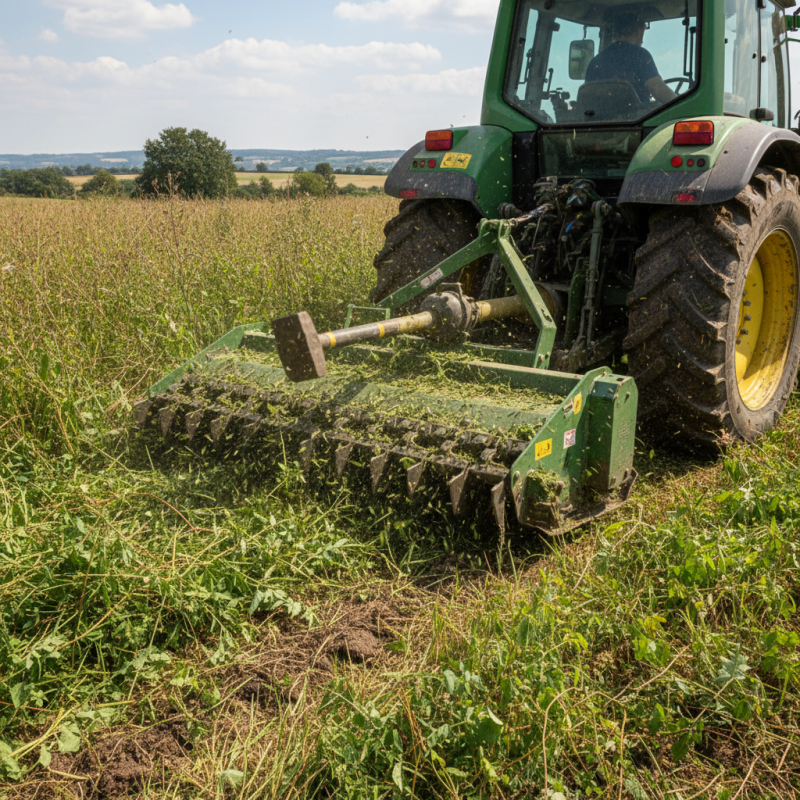
The Flail Mower Machine is an essential tool for landscaping and agriculture. It effectively cuts grass, shrubs, and small trees. This machine features a rotating shaft with hinged blades. These blades strike and chop vegetation, resulting in finely shredded clippings. This design promotes efficient mulching, returning nutrients to the soil.

Using a Flail Mower Machine requires some skill. Proper adjustment is crucial for optimal performance. If the blades are too high, they may miss cutting low-lying plants. If too low, they can scalp the ground, damaging the soil. Operators must understand their terrain and vegetation types to use it effectively.

Despite its advantages, the Flail Mower Machine has limitations. It may struggle with dense brush or thick weeds. Regular maintenance is also necessary to keep it running smoothly. Understanding these challenges can enhance its efficiency. An informed operator will maximize the potential of this valuable tool.
What is a Flail Mower Machine and How Does It Work?

What is a Flail Mower Machine?

A flail mower machine is a versatile tool designed for cutting grass, weeds, and brush. Unlike traditional rotary mowers, it uses a series of attached flails or blades. These flails rotate at high speeds, effectively shredding the material rather than just cutting it. This makes flail mowers ideal for rough terrain and dense vegetation. They excel in areas where standard mowers can't reach, such as steep slopes or overgrown fields.

The design of a flail mower allows for easy handling of thicker brush. The blades are often arranged in rows, providing a wide cutting path. Each flail can pivot, which prevents clogging and allows for consistent performance. However, user experience can vary. Some users may struggle with maintenance, as the flails require regular checks for wear and tear. It's crucial to ensure that the mower is appropriately matched to the task at hand. Proper adjustment can enhance its efficiency significantly.

Operating a flail mower might seem straightforward, but it requires attention. Users must be cautious of potential damage to the machine and the surrounding environment. Beginners may find it tricky to control in uneven areas. Understanding the machine's capabilities and limitations is key to achieving the best results while avoiding mishaps.

What is a Flail Mower Machine and How Does It Work?

Feature Description Benefits
Cutting Mechanism Uses a series of flails (metal blades) mounted on a rotating shaft. Provides effective cutting of grass and brush, ideal for uneven terrain.
Power Source Can be powered by tractors, ride-on mowers, or standalone engines. Versatile usage depending on power availability and user needs.
Cutting Height Adjustment Adjustable height settings to control the length of grass cut. Customizes cutting results for different landscaping needs.
Maintenance Regular blade sharpening and lubrication required. Ensures optimal performance and longevity of the machine.
Application Areas Used in agricultural fields, road sides, and by landscapers. Ideal for heavy-duty jobs where traditional mowers cannot operate.

Key Components of a Flail Mower

Flail mowers are essential tools for maintaining overgrown areas. They consist of several key components that enhance their effectiveness. The main part is the rotating drum, which holds the flails. These flails are heavy, sharp blades designed to cut grass and branches efficiently. The design allows for a uniform cut, making them ideal for uneven terrain.

Another important component is the gear drive. It transfers power from the engine to the rotor. This mechanism ensures that the flails move at the right speed for optimal cutting. The drive's durability greatly impacts the mower's performance. Also critical are the side skids, which help the mower maintain its height. They prevent scalping and ensure that the cutting is even across various ground levels.

Maintenance is a vital aspect of using a flail mower. Regularly checking the condition of the flails and the rotor can prevent accidents. A worn flail may not cut effectively. The mower's efficiency can diminish if not cared for properly. Users should be cautious and attentive, ensuring that every component works flawlessly to achieve the best results.

Flail Mower Machine Component Efficiency

How a Flail Mower Works: An Overview

A flail mower is a versatile machine used to manage grass, brush, and even small trees. Its operation involves rotating metal flails attached to a drum, which beat against the ground and cut vegetation. This method ensures a clean and effective cut. According to industry data, flail mowers can handle heavier growth compared to traditional mowers. They efficiently mulch the cut material, leaving behind a fine residue that can decompose and enrich the soil.

The design of flail mowers allows them to operate safely on uneven terrain. Unlike rotary mowers, they minimize the risk of projectile debris. The flails deliver a constant cutting action, making them suitable for clearing dense underbrush. Reports indicate that flail mowers are popular among landscaping professionals due to their efficiency, especially in areas with overgrowth.

However, maintaining these machines can be complex. Proper knowledge of maintenance is crucial. Inexperienced operators may overlook routine checks, leading to decreased performance.

While flail mowers are highly effective, they are not without limitations. They require a power source, which might restrict their use in remote areas. Additionally, the cost of flail mowers can be higher than other types. Not every user may justify this investment, especially those with lighter mowing needs. Therefore, understanding the machine's strengths and weaknesses is important for potential buyers.

Benefits of Using a Flail Mower

Flail mowers are essential tools for efficient land management. They excel in cutting thick grass and bushy terrain. These machines use swinging blades attached to a rotating shaft. This design allows them to tackle tough vegetation that rotary mowers often struggle to handle. According to a report by the Agricultural Machinery Manufacturers Association, flail mowers can enhance productivity by up to 30% compared to traditional mowers.

The benefits of using a flail mower are significant. They provide a clean, effective cut, which promotes healthier grass growth. The design minimizes debris scattering, resulting in a more uniform appearance of the landscape. Statistics show that the flail mower’s ability to mulch clippings reduces the need for frequent disposal. However, proper maintenance is crucial. Neglected equipment can lead to reduced efficiency and increased wear.

Furthermore, they are versatile in various applications. From maintaining parks to managing farmland, the flail mower adapts to different tasks. Yet, users must consider their specific needs. Not every flail mower is ideal for all conditions. Operating in wet or overly dry areas may affect performance. Awareness of these factors allows for informed decisions. Investing in a flail mower can significantly reduce labor costs and improve results.

Common Applications of Flail Mowers in Landscaping

Flail mowers play a critical role in landscaping by offering efficient grass and vegetation management. Their design enables them to tackle dense brush and tough grass in various settings. According to industry reports, flail mowers can handle materials up to 6 inches in diameter. This versatility makes them valuable for both commercial and residential landscaping projects.

Landscapers often use flail mowers in parks and green spaces. They can create a clean and manicured appearance when working around trees and shrubs. Flail mowers' ability to mulch is also noteworthy. They effectively break down clippings, providing natural fertilizer to the soil. Research indicates that using a flail mower can increase soil health by adding organic material back into the ground.

While highly effective, flail mowers may not be suitable for all terrains. Steep slopes or uneven surfaces can present challenges. Operators must be trained to use them properly to minimize risks. While their effectiveness is established, ongoing maintenance is crucial. Regular checks can prevent breakdowns and costly repairs. Ultimately, understanding their capabilities and limitations ensures more successful landscaping outcomes.