

Scroll Top
4801 Bennett Rd. Toledo, Ohio 43612

Essential Tips for Sourcing Alu Profiles Worldwide?

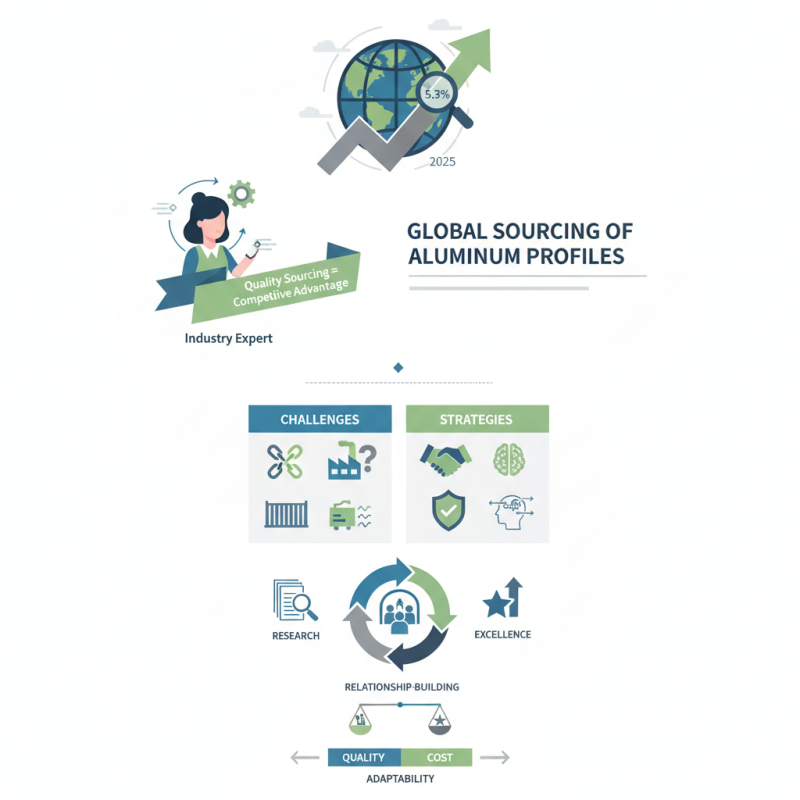
In today's global marketplace, sourcing Alu Profiles effectively is crucial for many industries. According to the latest report by the Global Aluminum Association, the demand for aluminum profiles is projected to grow by 5.3% annually through 2025. This increase highlights the importance of understanding where and how to source these materials. Industry expert Anna Li emphasizes, “Quality sourcing of Alu Profiles is not just a choice; it's a necessity for competitive advantage.”

Navigating the complexities of international suppliers can be daunting. Many businesses face challenges, including quality control and logistical issues. The right strategies can mitigate these risks and enhance efficiency. Building relationships with reputable suppliers is often a critical step. Yet, not every source will meet the required standards. This reality demands careful vetting and ongoing assessments.

In light of evolving market dynamics, continuously refining sourcing strategies is essential. Companies should not rely solely on historical suppliers. As industry demands shift, so too must sourcing practices adapt. Balancing quality and cost remains a persistent challenge, requiring vigilance and adaptability. Ultimately, achieving sustainable sourcing of Alu Profiles involves a blend of research, relationship-building, and a commitment to excellence.
Essential Tips for Sourcing Alu Profiles Worldwide?

Essential Factors in Global Aluminium Profile Sourcing

Sourcing Aluminium Profiles worldwide involves several critical factors. Understanding the global market trends is vital. According to the International Aluminium Institute, global aluminium demand is projected to grow by 3% annually until 2030. Such insights are essential for making informed decisions.

When sourcing, consider the quality of materials. Not all suppliers adhere to the same standards. Reports indicate that over 30% of profiles do not meet industry specifications. This emphasizes the need for meticulous quality checks. Engage with suppliers who have certifications and a track record of reliability.

Tips for successful sourcing include establishing clear communication channels with suppliers. This can help avoid misunderstandings. It's also advisable to request samples before placing large orders. Additionally, maintaining a list of multiple suppliers can provide leverage during negotiations.

Price volatility is another factor in aluminium sourcing. Prices can vary significantly based on market conditions. Keeping an eye on market trends can help businesses adapt quickly. Being overly reliant on a single supplier may pose a risk. Evaluate your options and stay informed.

Understanding the Demand for Aluminium Profiles in Key Industries

The demand for aluminium profiles is on the rise across various key industries. According to a recent MarketsandMarkets report, the aluminium extrusion market is projected to reach USD 104.1 billion by 2026, growing at a CAGR of 6.4%. This growth is driven largely by the construction, automotive, and aerospace sectors. These industries are increasingly adopting lightweight materials to enhance efficiency and reduce emissions.

In construction, aluminium profiles are crucial for window frames, curtain walls, and roofing. These applications are becoming more popular due to their durability and design flexibility. A BCG report highlights that building with aluminium can reduce overall weight by up to 30%, translating into significant material savings. In the automotive industry, manufacturers are integrating aluminium to improve fuel efficiency. Lightweight profiles contribute to an overall vehicle weight reduction of about 15-20%.

Despite this growth, sourcing aluminium profiles remains complex. Supply chain disruptions and fluctuating raw material prices pose challenges. Companies must stay informed about global market trends. They also need to consider local regulations and standards when sourcing profiles internationally. This careful approach helps ensure compliance while meeting rising demand.

Essential Tips for Sourcing Alu Profiles Worldwide

Industry Demand Percentage (%) Key Applications Sourcing Regions
Construction 35 Framing, Facades Asia-Pacific, Europe
Automotive 25 Chassis, Body Frames North America, Europe
Electronics 20 Casings, Heat Sinks Asia, North America
Aerospace 10 Airframe, Wing Structures North America, Europe
Packaging 10 Containers, Foil Asia, Europe
Others 5 Furniture, Decor Global

Evaluating Quality Standards and Certifications for Aluminium Products

When sourcing aluminium profiles globally, understanding quality standards is crucial. Various certifications, such as ISO 9001 and ASTM standards, play a significant role. These standards ensure products meet safety regulations and performance criteria. According to a recent industry report, around 60% of top manufacturers adhere to international quality benchmarks. This statistic highlights the importance of certification in guaranteeing product reliability.

Selecting suppliers based on their quality certifications can significantly reduce risks. However, not all certificates are equal. Some may lack rigorous verification processes. Ensure that suppliers provide transparent documentation. This helps build confidence in their manufacturing practices. A study revealed that more than 30% of sourced materials fail inspection due to poor quality.

Companies must routinely evaluate supplier performance. Regular audits and on-site inspections can unveil potential weaknesses. Communication with suppliers is essential to address any quality concerns. A proactive approach can lead to better sourcing outcomes. As the aluminium market continues to evolve, maintaining high standards is vital. Sourcing decisions should reflect a commitment to quality and transparency.

Cost Analysis: Shipping and Import Tariffs for Alu Profiles Worldwide

Sourcing aluminum profiles globally requires a keen understanding of shipping costs and import tariffs. Shipping costs can significantly impact overall expenses. Different regions have varying shipping fees influenced by distance, carrier, and freight method. Don't overlook the importance of choosing the right logistics partner. It can make or break your budget.

Import tariffs also play a critical role in cost analysis. Countries impose tariffs that can raise expenses unexpectedly. Researching tariffs in your target market is essential. This will help you avoid unforeseen costs that could derail your project. Consider consulting with a trade expert for accurate insights.

When sourcing aluminum profiles, prioritize quality and compatibility. Establish relationships with reliable suppliers. Monitor production timelines closely; delays can inflate costs. Regular communication can help mitigate issues. Be prepared for fluctuating prices; the aluminum market is volatile. Always stay informed on global trends to make better purchasing decisions.

Shipping Costs and Import Tariffs for Alu Profiles Worldwide

Strategies for Building Strong Relationships with Global Suppliers

Building strong relationships with global suppliers is essential in sourcing aluminum profiles effectively. Start with clear communication. Discuss your needs openly and listen to their capabilities. This will foster trust. Regular updates can prevent misunderstandings. Aim to establish a two-way dialogue. A supplier that feels valued is more likely to prioritize your orders.

When engaging with suppliers, cultural differences matter. Understand their work ethics and communication styles. Patience is key; sometimes, responses may be slow. Be prepared for miscommunications. These moments provide valuable insights into the partnership. Recognizing and addressing issues together can strengthen ties.

Always follow up on orders. A timely check-in shows commitment. This builds reliability and encourages suppliers to be transparent. Consider visiting suppliers in their location. Face-to-face meetings can create lasting impressions. They also offer a chance to understand their operations better. Relationships grow through shared experiences and mutual respect. Engage genuinely to cultivate long-term partnerships.