

Choosing the right ceramic mixer machine can significantly impact your production quality. The market offers various options, making selection challenging. This machine mixes materials efficiently, ensuring consistency in your ceramic products.
When considering a Ceramic Mixer Machine, think about your specific needs. Different projects require different features. Look for capacity, durability, and the type of mixing action. One wrong choice can lead to production delays or inferior results.
Remember, it’s not just about specifications. You should consider user reviews and brand reputation. Sometimes, cheap machines lead to costly repairs. A well-informed choice can save you money in the long run. Making the right decision requires careful thought and consideration.
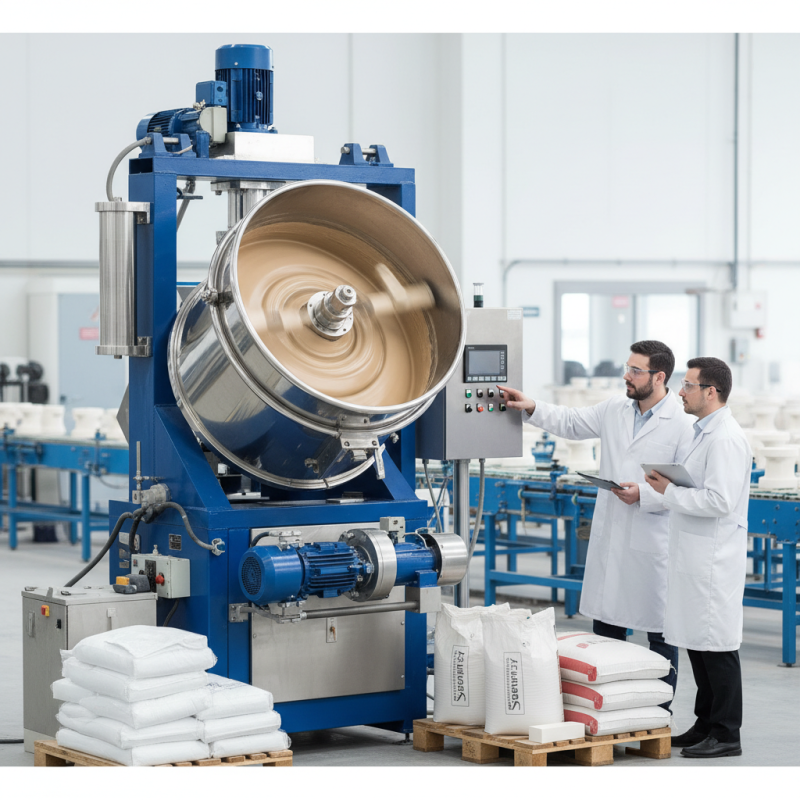
Choosing the right ceramic mixer machine is crucial for any production line. A high-quality mixer ensures consistent results, improving product quality. It mixes materials evenly, preventing clumps and air pockets. Often, facilities overlook the impact of a poorly chosen mixer. This oversight can lead to waste and dissatisfied customers.
When selecting a mixer, consider its capacity and functionality. A machine that’s too small may require frequent refills, causing delays. In contrast, an oversized mixer can waste energy. Focus on the material compatibility as well. Some mixers may not handle specific clays or additives. Researching can help avoid costly mistakes, but it can be tedious and sometimes confusing.
Additionally, maintenance and ease of operation are important aspects. A complex machine may require more training, affecting productivity. Keep in mind the location of the mixer too. Poor placement can lead to workflow issues. Finding a balance between efficiency and simplicity is key. It’s a delicate process, often requiring trial and error to get it right.
When selecting a ceramic mixer machine, there are key features to consider. The capacity is essential first. It influences how much material you can mix per batch. Smaller machines work for hobbyists, while larger ones benefit commercial use. Look for adjustable speed settings too. Different materials require different mixing speeds for optimal results. A machine that offers versatility in speed can greatly enhance your mixing process.
Another important feature is the construction material. Durable materials ensure longevity. Steel is often more robust than plastic. Heavier machines tend to be more stable during operation. However, they can be cumbersome to move, so think about your workspace.
Noise level is so often overlooked. Some machines are surprisingly loud. It’s good to check reviews about sound levels if you work in a shared environment.
Consideration of ease of cleaning is also vital. Machines with removable parts simplify maintenance. Look for designs that allow for efficient cleaning without much hassle. The user interface should be intuitive as well. Complicated controls can lead to mistakes during mixing. Reflect on these features while exploring your options. What suits your specific needs? Balancing these considerations is necessary for making a wise choice.
When choosing a ceramic mixer machine, capacity and size are crucial factors to consider. The right capacity depends on your production needs. If you often handle large batches, a bigger mixer may be necessary. However, larger mixers can be bulkier and harder to handle. Finding the balance can be tricky. A smaller mixer might limit production, but it’s easier to manage.
Next, consider the size of the workspace. A large mixer can dominate a small area, making it less practical. Check the dimensions carefully. Measure your workspace before purchasing. Sometimes, having a bigger capacity means compromising on available space. It’s essential to visualize where everything fits. If the mixer is too big, it can affect workflows. Adjust your plans accordingly.
Another key element is the power required. Some machines need substantial energy input. Larger mixers often have higher power requirements. This might lead to higher energy costs. Reflecting on these details can reveal if a big machine is truly worth it. Not every task requires the largest equipment. Sometimes, smaller and more efficient tools can achieve similar results without overwhelming your space.
When selecting a ceramic mixer machine, the power source is crucial. Electric, gas, or battery-operated models each come with their advantages and drawbacks. Electric mixers often provide consistent power. However, they may vary in energy efficiency. Some models consume more energy than you might expect, leading to higher operational costs.
Consider the energy efficiency ratings of different machines. This can help you save money in the long run. A highly rated model may cost more upfront but will reduce your energy bills. Take time to research and compare these ratings. It’s easy to overlook this detail when shopping.
Furthermore, assess the machine's power requirements. Some may need specific voltage or amperage to function properly. This could limit where you can use the mixer. In my experience, not all machines fit every workspace. Additionally, using an inefficient power source can lead to increased wear and tear. This is something worth reflecting on before making a decision.
When selecting a ceramic mixer machine, understanding costs is crucial. The price range can vary widely based on features and capacity. Budget considerations might lead you to a basic model, yet it could lack essential functionalities. A lower cost often means sacrificing efficiency or durability. While saving money is important, investing a bit more can significantly enhance your production quality.
Consider the long-term costs. Maintenance, repairs, and operational efficiency can add up. A higher initial investment might lower operating expenses. Look for reviews or user feedback on longevity and performance. Choosing a machine that consumes less energy may seem pricier upfront, but it pays off over time.
Don’t forget to factor in additional expenses. Shipping, setup, and any required accessories can strain your budget. Be wary of deals that seem too good to be true—they often come with hidden costs. Reflect on your production scale. A compact model may suffice for small operations, yet larger facilities require robust machines. Balancing quality with affordability demands careful thought and research.
| Feature | Standard Model | High-Efficiency Model | Budget-Friendly Model |
|---|---|---|---|
| Price Range | $1,200 - $1,500 | $1,800 - $2,200 | $800 - $1,000 |
| Mixing Capacity | 50 kg | 100 kg | 30 kg |
| Power Consumption | 2.5 kW | 3.5 kW | 1.5 kW |
| Material Quality | Standard Steel | High-Grade Stainless Steel | Standard Steel |
| Warranty Period | 1 Year | 2 Years | 6 Months |
