

In today's competitive market, buyers seek top-quality products. derchi doors and windows stand out for their craftsmanship and innovation. Industry expert John Smith emphasizes, "Investing in Derchi doors and windows means prioritizing quality and longevity."
The global demand for durable and aesthetically pleasing doors and windows is rising. Many consumers prioritize insulation and security in their choices. Derchi doors and windows meet these needs with their exceptional designs. However, not all brands offer the same level of quality. Customers must be wary of misleading claims in a saturated market.
Choosing Derchi means investing in reliability. These products not only elevate a home’s appearance but also provide comfort and safety. As Smith notes, the right choice can define a space for years to come. Still, buyers should reflect on their specific needs and preferences. Quality is paramount, but so is understanding what fits best.
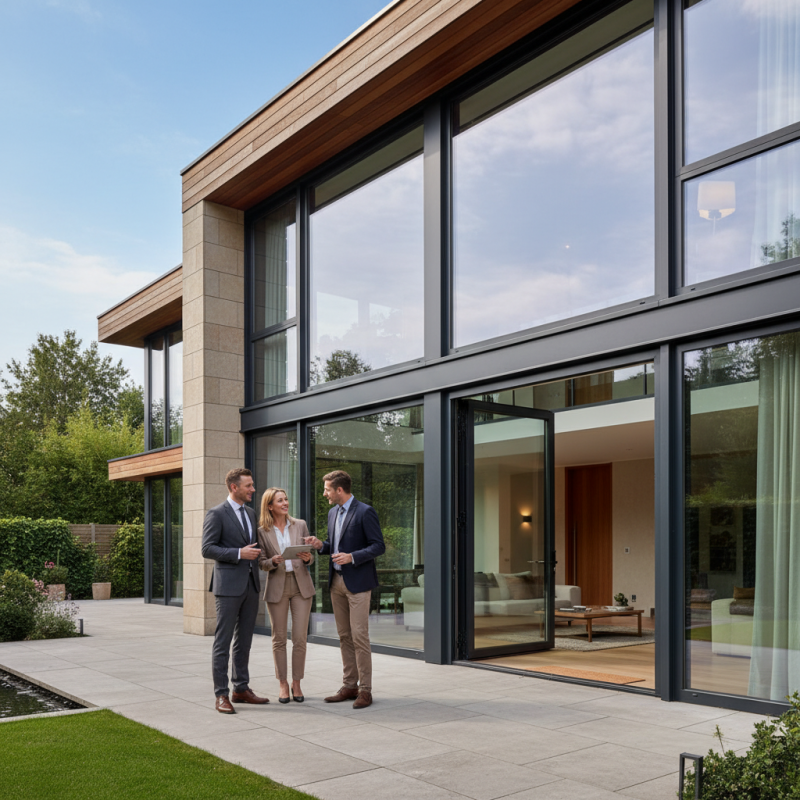
When it comes to doors and windows, quality standards play a crucial role. Manufacturers must adhere to various certifications that ensure durability and safety. According to a recent report from the Window and Door Manufacturers Association (WDMA), over 80% of global buyers prioritize energy efficiency and sustainability in their purchases. This trend reflects the growing awareness of environmental impact and the demand for long-lasting products.
Testing and certification standards are essential for maintaining high quality. The American Architectural Manufacturers Association (AAMA) provides rigorous guidelines for assessing performance. These standards cover factors such as structural integrity, weather resistance, and energy ratings. Data shows that products meeting these criteria can reduce energy costs by up to 40%.
However, not all manufacturers achieve these benchmarks. Some fail to invest in proper testing and certification processes. This can lead to issues like air leakage and poor thermal performance. Buyers must be vigilant and demand transparency in manufacturing practices to ensure they are choosing reliable options. Quality does not come without effort, and understanding these standards is key to making informed decisions.
When considering doors and windows for global markets, quality and energy efficiency are paramount. High-performance materials are essential in today's construction eco-system. According to industry reports, energy-efficient windows can reduce heating and cooling costs by up to 25%. This factor is even more crucial in regions facing extreme weather conditions.
Durability is another essential feature. Quality products should withstand various climates, from humid coastal areas to dry deserts. Industry experts emphasize that the lifespan of exterior doors can range from 20 to over 30 years when properly maintained. However, consumers need to choose wisely to avoid premature wear and tear.
**Tips:** Always check the energy rating. Look for windows and doors with lower U-values for better insulation. Understand local climate challenges before selecting materials. If you are unsure, seek expert advice on the best options available.
Design flexibility is vital for aesthetic integration. Options should complement various architectural styles. Some reports note a growing demand for custom designs that meet specific needs while still providing functionality. Innovation in design can often result in unexpected challenges. It’s essential to balance creativity with practicality.
| Feature | Description | Importance | Global Market Relevance |
|---|---|---|---|
| Energy Efficiency | High-performance glazing and insulation techniques to reduce energy consumption. | Essential for compliance with energy regulations and cost savings. | Widely sought after in developed markets focusing on sustainability. |
| Durability | Materials designed to withstand harsh weather conditions without warping or fading. | Reduces replacement costs and enhances customer satisfaction. | High relevance in regions with extreme climates. |
| Design Flexibility | A variety of styles, colors, and materials to fit diverse architectural preferences. | Attracts a broader range of customers with different tastes. | Important for markets with high aesthetic values. |
| Security Features | Advanced locking mechanisms and reinforced frames for enhanced safety. | Increases buyer confidence and property safety. | Critical in urban areas with higher crime rates. |
| Sustainability | Use of eco-friendly materials and processes during production. | Meets increasing demands for environmental responsibility. | Strong relevance in regions prioritizing green building practices. |
The global market for doors and windows has seen significant growth in recent years. A study by the Freedonia Group indicates that the market is expected to reach $250 billion by 2025. This expansion emphasizes the importance of choosing high-quality products. When comparing Derchi products with competitors, several key factors come into play, such as materials, energy efficiency, and design versatility.
Research from the American Institute of Architects highlights that customers prioritize energy efficiency. Windows that meet ENERGY STAR standards can reduce energy costs by up to 12%. This makes it crucial for buyers to consider energy ratings. Competitors may offer lower prices, but the long-term savings on energy bills can make Derchi's products a wise investment.
Tip: Look for products that offer a balance of quality and cost. While lower-priced options may seem appealing, they often lack durability and energy efficiency. Ensure that any product you consider meets industry standards.
Another element to consider is design. Many consumers are not aware of how design impacts functionality. For instance, poorly designed windows may lead to condensation issues, damaging interiors. Reviewing user feedback and industry ratings can shine a light on these potential pitfalls.
Tip: Always assess user reviews for real-world insights. They often reveal aspects that are not captured in promotional materials. This can help prevent costly mistakes in your purchase decisions.
When it comes to choosing doors and windows, customer feedback plays a pivotal role. Many buyers appreciate high-quality materials and unique designs. They often express satisfaction with products that enhance their home’s aesthetics and functionality. Users frequently note how significant this choice is for energy efficiency.
However, there are areas for improvement. Some customers report challenges with installation.
In addition to this, the durability of products is another focal point. A number of reviews highlight the longevity of these doors and windows. Clients mention that these products withstand various weather conditions well. Yet, there are mixed feelings about customer service. Some have experienced delays in response times for queries and support. This inconsistency in service can lead to frustration.
It’s clear that while many customers are happy with their purchases, there are aspects worth reflecting on. Some clients still await improvements in certain areas. Feedback is crucial in shaping future products and services. Overall, it illustrates the ongoing dialogue between consumers and manufacturers in the industry.
Sustainability in manufacturing is more critical than ever. The construction industry contributes about 39% of global CO2 emissions, according to recent data. Companies focused on sustainable practices are now gaining attention. Those in the doors and windows sector are redefining their production processes.
Many manufacturers are shifting towards using eco-friendly materials. For instance, wood sourced from certified forests minimizes environmental impact. The use of recycled materials is also on the rise. In fact, a report by a leading environmental agency states that recycled materials can reduce overall waste by up to 30%. This shift is not just beneficial for the planet; it can lower costs in the long run.
However, the journey towards full sustainability isn’t flawless. Many companies still rely heavily on non-renewable resources. This reliance poses significant challenges. Moreover, the transition to green manufacturing is often met with resistance within organizations. Continuous training and commitment are essential. The challenges reveal that while improvements are being made, there's still a long way to go for full sustainability in the industry.
