
Scroll Top
4801 Bennett Rd. Toledo, Ohio 43612

What is a Coil Cutting Machine and How Does It Work?

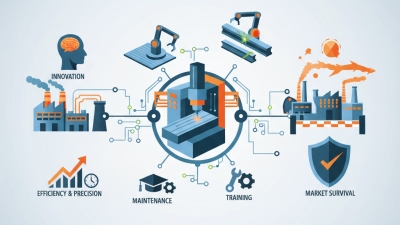
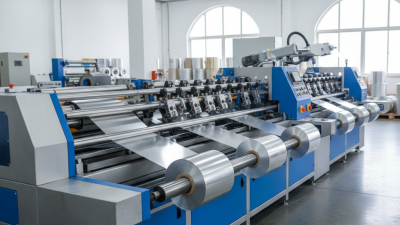
The coil cutting machine is a vital tool in the manufacturing sector. According to a recent report from the Global Metal Processing Association, the demand for coil cutting machines has surged by 20% over the past year. This rise reflects the industry's focus on efficiency and precision. "The right coil cutting machine can make or break production efficiency," states Dr. Emily Chen, a leading expert in manufacturing technologies.

These machines are designed to provide accurate cuts from metal coils. Their automation capabilities enhance productivity and minimize waste material. Coil cutting machines utilize advanced algorithms to ensure precise measurements. This precision not only reduces costs but also improves product quality. Despite these advancements, the sector faces challenges, particularly in skill shortages for operating such machinery.

Moreover, the initial costs can be daunting for small manufacturers. Investing in technology does require a risk assessment and financial planning. Reflecting on these aspects, companies must choose their coil cutting machines wisely. Balancing cost and efficiency is crucial for long-term success.
What is a Coil Cutting Machine and How Does It Work?

What is a Coil Cutting Machine: Definition and Overview

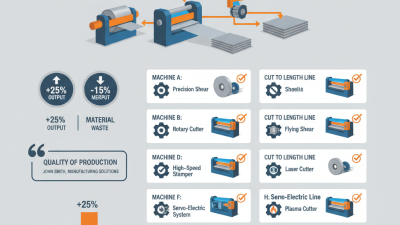
A coil cutting machine is an essential tool in various manufacturing sectors. It is designed to accurately cut metal coils into predefined lengths or widths. This machine improves efficiency and reduces waste. In modern industries, precision is crucial. According to a recent report by the Fabricators & Manufacturers Association, companies that utilize advanced coil cutting machines can enhance productivity by up to 30%.

These machines come equipped with features that allow for quick adjustments and superior cuts. Most models use hydraulic or mechanical systems to perform the cutting process. A digital display often guides operators, ensuring accuracy. Some reports suggest that errors in cutting can lead to material waste, costing manufacturers thousands of dollars annually. Revisiting operational practices could mitigate these losses.

However, not all machines perform equally. The choice of a coil cutting machine may depend on the specific requirements of a project. Industry experts recommend evaluating machine capabilities thoroughly. Key factors include cutting speed, material type, and required precision. Learning from the experience of others in the field can provide valuable insights. Consistent training for operators further ensures that the machines function optimally.
Key Components of a Coil Cutting Machine and Their Functions

A coil cutting machine is essential in manufacturing industries. Its main function is to cut large rolls of material into specific sizes. This is crucial for efficiency and precision. Understanding its key components helps us appreciate its operation better.

The uncoiler is one of the primary components. It feeds the material into the machine. Properly managing the material's tension is vital to avoid defects. Similarly, the shear plays a significant role in cutting. It's designed to slice through various materials, from metals to plastics, with precision. Poor blade maintenance can lead to uneven cuts.

The control system regulates the machine’s operations. It ensures that the cutting parameters are set accurately. Users often overlook this part, assuming it works flawlessly. Monitoring and adjusting settings is vital for optimal performance. Finally, the conveyor system transports the finished products away for further processing. Small issues in alignment here can affect productivity. This highlights the need for regular maintenance and attention to detail in coil cutting machines.

Working Principle: How a Coil Cutting Machine Operates

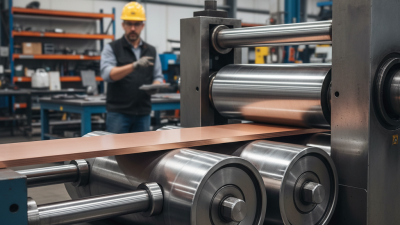
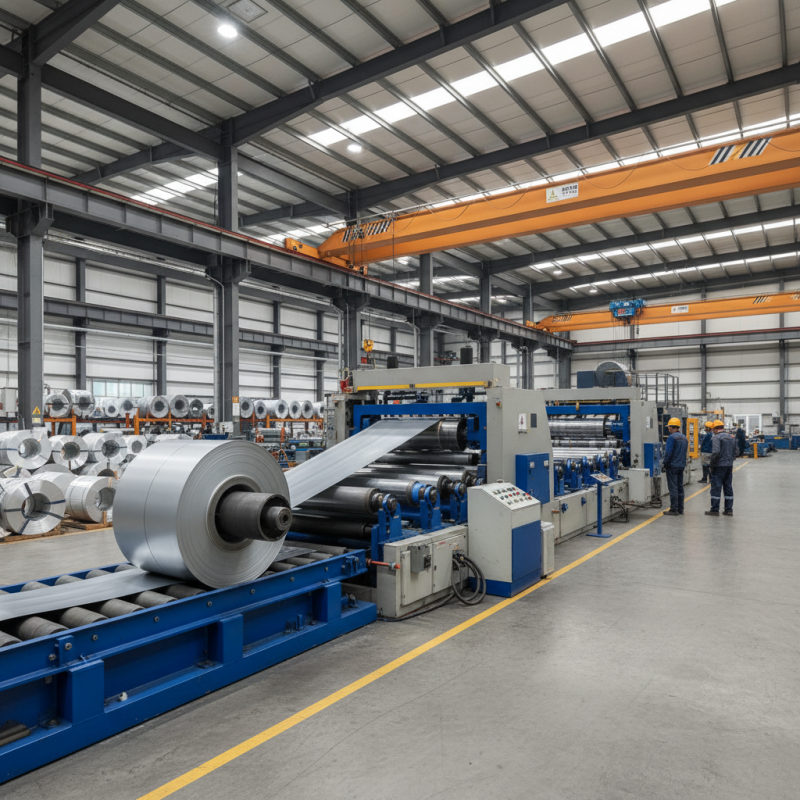
A coil cutting machine is a vital tool in the metalworking industry. It specifically cuts coils of metal into sheets of varying lengths and widths. The design of this machine allows for efficient handling of heavy material, which can be cumbersome. This machine often operates using a series of rollers that feed the coil into blade assemblies.

The working principle is quite straightforward. Once the coil is placed on the machine, rollers feed the metal through the cutting zone. The blades are set to desired dimensions, and the machine executes precise cuts. Adjustments can be made to alter the width of the cut, catering to different project specifications. Operators must be attentive, as any miscalibration can lead to wastage of material.

In practice, users often encounter challenges. They may find inconsistent cuts due to improper settings or blade dullness. Regular maintenance is crucial for optimal performance. It prompts users to engage in routine checks and adjustments, fostering a culture of continuous improvement. Understanding these nuances helps operators enhance their skills and ensure quality output.

Applications of Coil Cutting Machines in Various Industries

What is a Coil Cutting Machine and How Does It Work?

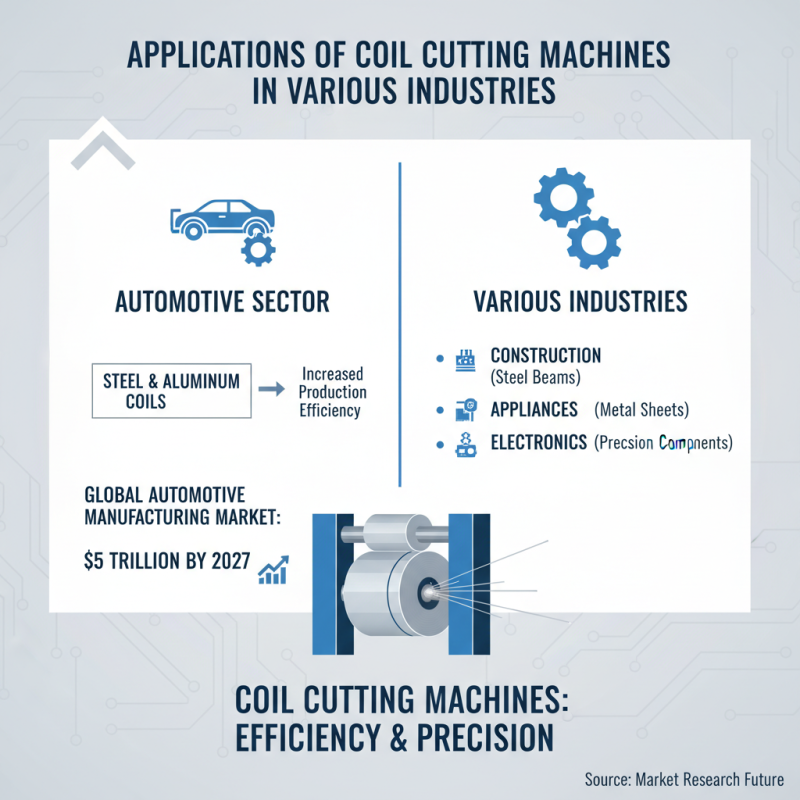
Coil cutting machines are vital in numerous industries due to their efficiency and precision. In the automotive sector, these machines are extensively used to cut steel and aluminum coils. According to a report by Market Research Future, the global automotive manufacturing market is projected to reach $5 trillion by 2027. This growth will likely drive the demand for coil cutting machines, increasing production efficiency.

In the packaging industry, coil cutting machines streamline operations. They can handle materials like plastic and metal. This reduces waste and enhances productivity. A study from ResearchAndMarkets indicates that the global packaging market will grow to nearly $500 billion by 2026. Such data highlights how vital these machines are for maintaining competitive advantages in packaging.

Despite their benefits, coil cutting machines require regular maintenance to operate optimally. Neglect can lead to breakdowns and increased costs. Training operators is crucial, but some companies overlook this. Equipment reliability can be a concern if workers lack proper knowledge. It’s essential to address these gaps for sustaining productivity and safety within industries that rely on coil cutting technology.

Industry Statistics: Market Trends and Adoption Rates for Coil Cutting Machines

The coil cutting machine market has experienced significant growth in recent years. According to a report by Industry Research, the global coil cutting market is projected to expand at a CAGR of 4.2% from 2021 to 2028. This growth is driven by rising demand in diverse sectors such as automotive, aerospace, and construction. For instance, steel and aluminum coils are commonly used in manufacturing processes, underscoring the need for efficient cutting machinery.

Adoption rates of coil cutting machines have also increased in various industries. A survey conducted by Market Analysis Group revealed that 65% of manufacturers have implemented automated cutting solutions. This shift reflects a desire for precision and productivity. However, there are still challenges. Some businesses struggle with the initial investment and operational training. This can hinder widespread adoption, despite clear benefits. As industries evolve, addressing these issues will be crucial for maximizing the potential of coil cutting technology.