

China Top 10 Scrap Copper Cable Suppliers: How to Choose?
China’s top ten scrap copper cable suppliers should be compared by capacity, monthly volume, and product range. Installed capacity shows equipment size, not real production. Ask for the last six months of shipment records. Then calculate average monthly volume, rejection rates, and delivery consistency. The International Copper Study Group’s 2024 market forecast expects global refined copper demand to grow by about 2% in 2024 and 3.5% in 2025. This pressure makes stable recycled copper supply more valuable.
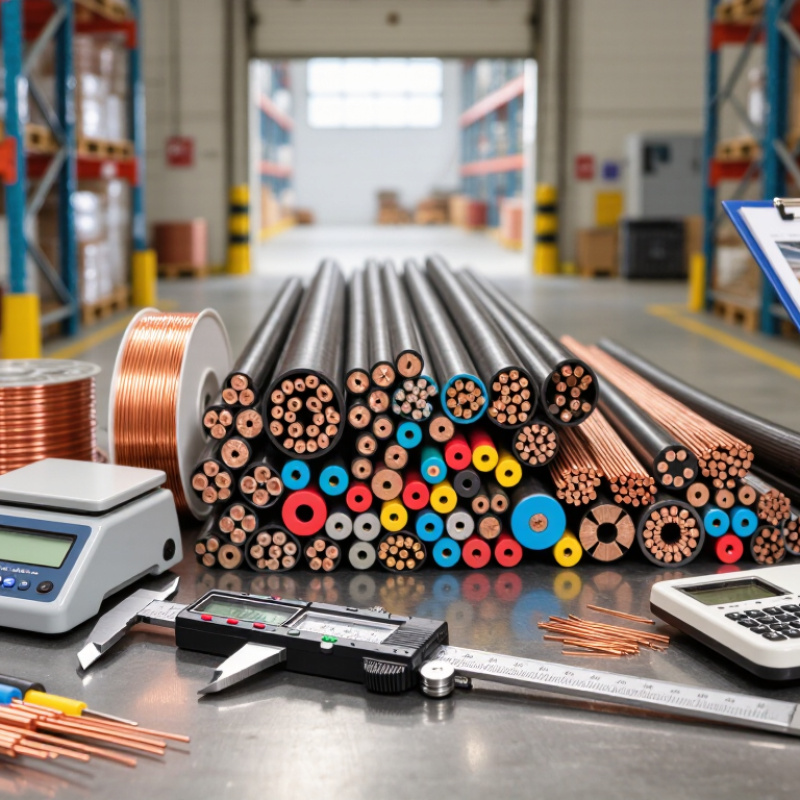
Product types need close inspection. Some suppliers process bare bright copper wire, insulated cable, low-voltage cable, mixed copper grades, and granulated copper. Confirm copper content, insulation material, moisture limits, and packaging weight. BIR’s World Recycling Facts 2024 indicates that recycled copper contributes roughly one-third of refined copper supply in recent years. A supplier with broad sorting capability may handle price changes better. However, wider product lists can hide weaker quality control. Request batch photos, assay results, inspection procedures, and sample reports.
The awkward part is capacity reporting. Numbers may describe maximum output under ideal conditions. Use verified monthly figures instead. A practical comparison sheet should record annual capacity, actual monthly shipments, minimum order quantity, product types, and export documentation. China Customs trade statistics can help check shipment patterns, but they cannot prove factory quality. My own screening mistake would be trusting a large number too quickly. Recent evidence matters more. Small differences in moisture or copper content can change the final landed cost substantially.