

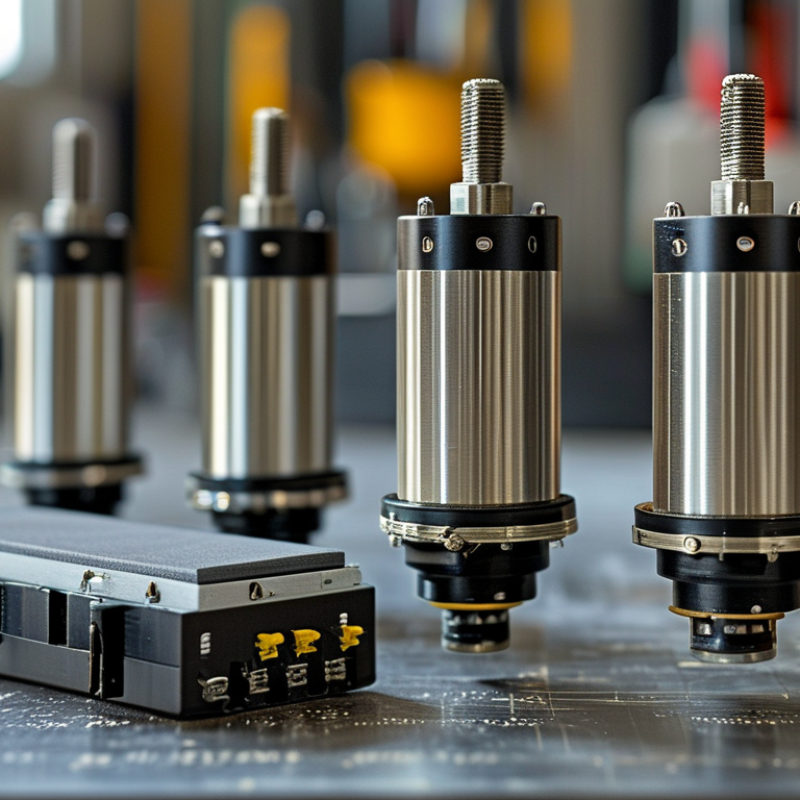
How to Choose the Right Piezo Switch for Global Sourcing?
Cost is more than the quoted unit price. Include tooling, minimum order quantities, testing, freight, duties, and warranty reserves. A low price can become expensive after repeated engineering changes. UNCTAD’s Review of Maritime Transport reports that over 80% of global merchandise trade by volume moves by sea. Therefore, packaging, shipping routes, and lead-time buffers deserve early attention. The World Bank’s 2023 Logistics Performance Index compares 139 economies across customs, infrastructure, shipment quality, and timeliness. Use these factors when comparing production locations, not only labor costs.
Customization should match the actual panel environment. Define actuation force, sensing area, illumination, overlay material, operating temperature, and ingress protection. Where moisture matters, request testing aligned with IEC 60529. Ask for traceability, sample approval, and documented change control. Long-term support is less visible, but more decisive. Confirm tooling ownership, spare-part availability, failure-analysis procedures, and product-change notifications. I would challenge any supplier promising unlimited customization without a stable validation process. It sounds attractive. It may not scale.
Tips: Build a landed-cost table before sampling. Request three-year lifecycle commitments and written lead-time ranges. Check whether the supplier can reproduce the same tactile response after multiple production batches. Keep one approved backup source, even when the first supplier performs well.