

Choosing the right Tin Bar Casting Machine is a production decision, not a simple equipment purchase. The machine must match your alloy, output target, bar dimensions, and working environment. A small workshop may need compact controls and easy mold changes. A large refinery may require continuous operation, precise temperature control, and automated handling.
Casting expert John Campbell has emphasized, “The quality of a casting is determined before it is cast.” This principle remains practical today. Operators should inspect furnace stability, metal cleanliness, cooling performance, mold design, and temperature measurement before comparing machine prices. A reliable Tin Bar Casting Machine should create consistent bars with smooth surfaces, stable weight, and limited internal defects. These details affect packaging, remelting, and customer confidence.
Do not trust impressive capacity claims alone. Ask how the machine performs during long production runs. Request test samples using your actual tin grade and preferred bar size. Observe the pouring system closely. Uneven flow can produce visible lines, trapped gases, or irregular edges. Maintenance access also matters. A blocked nozzle should not require hours of disassembly.
There is no perfect machine.
Some recommendations may fail when electricity quality, operator skill, or factory space changes. That is why a careful selection process includes site measurements, supplier references, and realistic production data. The best choice balances technical performance, safety, service support, and total operating cost. This guide explains those factors clearly, helping buyers avoid attractive specifications that do not survive everyday production.
Before choosing a tin bar casting machine, define the product and production target precisely. The USGS Mineral Commodity Summaries 2024 estimated global tin mine production at about 290,000 metric tons in 2023. This limited supply makes material efficiency important. Record annual output, daily operating hours, bar weight, dimensions, alloy composition, and acceptable surface defects. A factory producing 20-kilogram bars needs different tooling from one making 500-gram laboratory bars.
Calculate the required casting rate from actual orders, not optimistic forecasts. For example, producing 2,000 kilograms per day across ten hours requires at least 200 kilograms per hour. Add a practical margin for mold changes, cleaning, and short stoppages. Too much capacity can waste energy and floor space. Too little capacity creates overtime and unstable quality. Both errors are expensive.
Check whether the machine controls melt temperature, filling speed, cooling time, and demolding consistently. The International Tin Association identifies solder and chemical applications among major tin-use sectors, where composition and cleanliness matter. Ask for temperature records, sample bars, and test results. Inspect the bar surface after cooling. It should show limited shrinkage, cracking, or trapped air. This detail is often underestimated. Recycled feedstock may also vary more than expected. A simple trial run can reveal problems that a specification sheet hides. Do not trust every calculation; production data should challenge the original plan.
The chart converts planned daily tin bar production into the required nominal casting capacity. The calculation assumes one 8-hour production shift and 85% effective utilization, allowing for mold changes, handling, inspection, and routine downtime. A machine with approximately 10% additional capacity is recommended to provide operating headroom.
Formula: required throughput = daily output ÷ (shift hours × utilization). Actual selection should also consider bar weight, dimensions, cooling time, automation level, and the required metal purity.
How to Choose the Best Tin Bar Casting Machine?
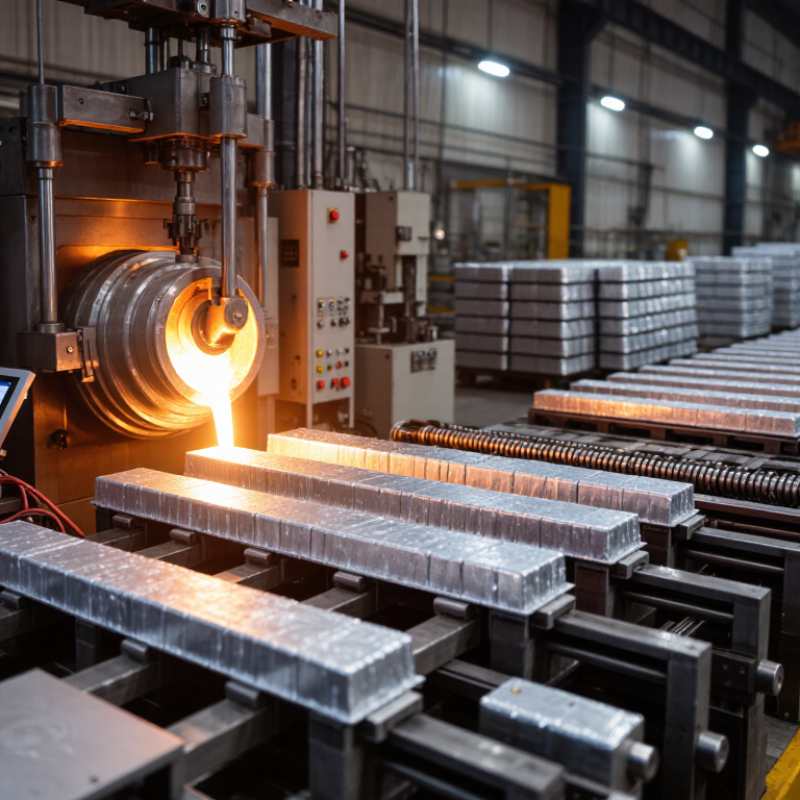
Choosing a tin bar casting machine starts with comparing its casting method. Continuous casting machines suit stable, high-volume production. They pull molten tin through a cooled mold at a controlled speed. This method can produce consistent bar dimensions and fewer manual interruptions. Gravity die casting machines offer greater flexibility for smaller batches. They are easier to adjust, but production speed may be lower. Semi-continuous machines provide a practical middle option. They balance output, mold changes, and operating costs.
Core features often matter more than the machine category. Check furnace capacity, temperature stability, and heating response time. Tin requires careful thermal control because overheating can increase oxidation and waste. A reliable temperature sensor should work with an adjustable control system. Mold material and cooling channels also affect surface quality. Uneven cooling may create cracks, bends, or rough edges. Pulling speed must match the bar size and cooling performance. Small errors become visible quickly.
Safety and maintenance deserve equal attention. Look for guarded moving parts, clear emergency controls, and easy access to wear components. Automatic feeding can reduce handling work, but it also needs accurate calibration. A larger machine is not always better. I have seen output estimates look impressive, yet setup time reduced real productivity. Test sample bars before making a final decision. Measure weight, length, surface finish, and temperature consistency. Production conditions can expose weaknesses that brochures do not mention.
| Casting Machine Type | Basic Operating Principle | Typical Tin Bar Application | Typical Production Profile | Dimensional Consistency | Metal Utilization | Automation Potential | Main Advantages | Main Limitations | Best Choice When |
|---|---|---|---|---|---|---|---|---|---|
| Gravity Ingot Mold Casting Machine | Molten tin is poured into reusable metal molds under gravity and removed after solidification. | Standard tin ingots, solder bars, small and medium production batches, and products with several size options. | Batch production; cycle time depends on bar weight, mold design, cooling time, and operator or automatic handling. | Good | Moderate | Medium to High | Simple process, relatively low equipment complexity, flexible mold changes, and easy maintenance. | More variation in surface and weight than a well-controlled continuous line; sprues, overflow, or dross may increase metal loss. | You need flexible production, moderate output, simple operation, or frequent changes in bar dimensions. |
| Automatic Multi-Cavity Ingot Casting Machine | A dosing system fills multiple water-cooled or thermally controlled molds, followed by automatic cooling, ejection, and transfer. | High-volume production of standardized tin bars with repeatable weights and dimensions. | High batch output; productivity depends on the number of cavities, dosing accuracy, cooling capacity, and transfer speed. | Very Good | Good | Very High | Consistent filling, reduced manual handling, improved operator safety, and easier integration with weighing and packing equipment. | Higher initial investment; less economical when product sizes change frequently; molds and dosing components require accurate setup. | You have stable product specifications, regular demand, and want lower labor cost and consistent bar weight. |
| Horizontal Continuous Casting Machine | Molten tin is continuously fed through a cooled mold or crystallizer, forming a continuously solidified bar that is withdrawn and cut to length. | Long tin bars, billets, feedstock, and applications requiring a steady production flow. | Continuous production; output is governed by cross-sectional area, withdrawal speed, cooling capacity, and alloy properties. | Very Good | Very Good | High | Stable cross-section, reduced mold handling, limited runner waste, and good suitability for long products. | Requires precise thermal control and withdrawal alignment; start-up and end-of-cast material may need trimming or recycling. | You need long, uniform bars and a stable, high-utilization production process. |
| Vertical Continuous Casting Machine | Molten tin solidifies while being withdrawn vertically through a cooled mold, with automatic cutting or downstream handling. | Specialty bars, billets, and continuous products where vertical solidification and controlled feeding are advantageous. | Continuous production; practical output depends on bar size, mold design, cooling rate, and withdrawal speed. | Very Good | Very Good | High | Uniform solidification conditions, compact product path, and good control of bar geometry. | Requires greater building height and careful alignment; access for maintenance can be more demanding. | You require continuous casting and have sufficient plant height and infrastructure for vertical equipment. |
| Low-Pressure Mold Casting Machine | Controlled gas pressure moves molten tin from a holding furnace into the mold at a regulated filling rate. | Special shapes, reduced turbulence requirements, or products where controlled mold filling is more important than maximum bar output. | Usually batch or semi-continuous production; cycle time is affected by filling, solidification, pressure release, and mold opening. | Very Good | Good | High | Controlled filling, reduced splashing, and potentially lower inclusion or oxide entrainment when the melt system is properly designed. | More complex pressure, sealing, and control systems; usually unnecessary for simple standard tin bars. | You need controlled filling for a specialized geometry or a process that benefits from reduced turbulence. |
| Manual or Semi-Automatic Ladle Casting System | Operators transfer measured molten tin into individual molds using ladles or assisted dosing equipment. | Very small batches, pilot production, laboratory work, maintenance supply, or frequent custom orders. | Low output; production rate depends strongly on operator skill, mold count, and cooling time. | Fair to Good | Low to Moderate | Low to Medium | Low purchase cost, easy process modification, and suitable for testing new bar sizes or alloys. | Higher labor requirement, greater variation in weight and appearance, and increased exposure to hot metal handling. | You are validating a product, producing small quantities, or need the lowest initial equipment cost. |
Choosing the Best Tin Bar Casting Machine
Choosing a tin bar casting machine starts with your actual output, not the largest rated capacity. Measure daily tonnage, bar dimensions, alloy change frequency, and acceptable downtime. A machine producing 500 kilograms per hour may disappoint if mold changes take two hours. Leave operating headroom. Continuous full-load operation can shorten component life and reduce stability. Record metal temperature at the furnace outlet, not only on the control screen.
Precision depends on mold design, cooling control, withdrawal speed, and temperature consistency. Check bar weight variation across a full shift. Set the tolerance according to buyer needs and cutting equipment. Request test samples, dimensional records, and calibration procedures. Energy use also deserves measured review. Compare kilowatt-hours per ton under realistic production loads. Insulation, efficient heaters, variable-speed drives, and heat recovery can reduce waste. However, aggressive energy savings may create unstable cooling. That trade-off is easy to miss.
Automation should remove repetitive risks without hiding important decisions. Useful functions include automatic temperature adjustment, mold-level control, fault alarms, and accessible production data. Operators still need clear manual recovery steps. A complicated interface can slow responses during an outlet blockage or sensor failure. Review spare-part access, training quality, and support terms before purchase. Do not trust a polished demonstration alone. Run a supervised trial with your own alloy and molds. The results may challenge your original specification.
Choosing the best tin bar casting machine requires more than comparing output rates. Start with material compatibility. The machine should handle your tin alloy, mold design, and required casting temperature without unstable heating. Check contact surfaces carefully. Poorly selected metals may corrode, contaminate the melt, or wear quickly under repeated cycles.
Maintenance needs deserve equal attention. Choose a machine with accessible heating elements, removable molds, and clear inspection points. Ask how often filters, seals, sensors, and cooling components need replacement. A simple maintenance log can reveal temperature drift before it causes uneven bars. Details matter. In practical evaluations, operators often overlook cleaning access because the machine looks efficient during a short demonstration. That decision can create costly downtime later.
Safety and technical support also influence long-term value. Look for insulated surfaces, protective guards, emergency stops, temperature alarms, and reliable ventilation around the casting area. Operators need clear training materials, not vague instructions. Ask whether support includes installation guidance, troubleshooting, spare-part availability, and response times. Request maintenance procedures in writing. Ask for evidence. A machine may meet production targets but still disappoint if support is slow or parts are difficult to obtain. I would also test the controls with actual operators, since a design that seems obvious to an engineer may confuse someone wearing gloves.
Budget planning should begin with real production data, not the machine’s sticker price. The USGS Mineral Commodity Summaries 2025 estimated global tin mine production at about 290,000 metric tons in 2024. This competitive market makes material efficiency important. Choose a casting machine that limits dross, metal loss, and unnecessary reheating.
Small workshops may need a compact furnace, manual mold loading, and simple temperature controls. Larger operations should consider automatic pouring, continuous cooling, and programmable casting speed.
In my experience, stable temperature control often matters more than maximum capacity. A difference of only a few degrees can affect bar weight, surface quality, and rework. Check whether the machine supports your target bar dimensions before comparing prices.
Think about the whole workflow. The International Tin Association’s 2024 market review continues to identify solder and electronics as important tin-use sectors, where consistency is critical. Ask for energy consumption, heating time, mold replacement cost, and maintenance intervals. Safety features also deserve a fixed place in the budget. They are not optional extras.
Do not trust impressive output figures alone. Request trial-casting records, temperature logs, and measured recovery rates. The data may expose gaps. A machine that fits today’s volume might restrict tomorrow’s growth, while an oversized system can waste floor space, energy, and labor. Choose capacity with evidence, not optimism.
