

Scroll Top
4801 Bennett Rd. Toledo, Ohio 43612

Top Tips for Choosing Shower Wall Panels for Your Home?

When considering renovations for your bathroom, Shower Wall Panels emerge as a practical choice. Recent industry reports indicate that the demand for customizable options in home interiors has surged by 30% over the past five years. This trend highlights homeowners' desire for both style and functionality.

Shower Wall Panels offer an ideal solution. They are waterproof, durable, and can enhance the aesthetic appeal of any bathroom. Industry insights suggest that homeowners can save up to 40% on maintenance costs by choosing panels over traditional tile. However, not all Shower Wall Panels are created equal.

Some panels may not adhere as well to moisture-rich environments, leading to potential issues. Selecting the right type requires careful consideration of materials, thickness, and design. Understanding these factors is essential in ensuring a long-lasting investment for your home. It’s vital to reflect on your needs and preferences when making this choice.
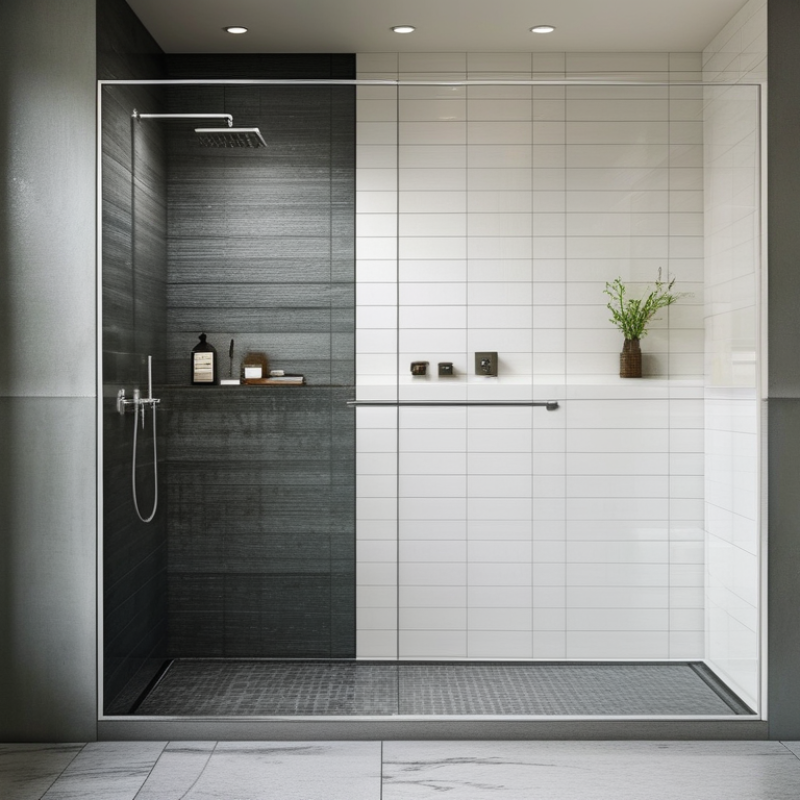
Top Tips for Choosing Shower Wall Panels for Your Home?

Factors to Consider When Selecting Shower Wall Panels

When selecting shower wall panels, several critical factors come into play. One important consideration is the material. Common options include acrylic, fiberglass, and tiles. According to a report from the Home Improvement Research Institute, acrylic panels are gaining popularity due to their low maintenance and sleek appearance. However, some homeowners may find that tiles offer more design flexibility. The choice largely depends on both aesthetic preferences and practical needs.

Another factor is durability. A study by the National Kitchen & Bath Association highlights how materials resistant to water and mold can enhance the lifespan of your shower walls. For instance, high-quality acrylic can withstand frequent exposure to moisture, reducing the likelihood of mold growth. On the other hand, tile can be prone to grout mildew if not sealed properly. This consideration impacts long-term maintenance efforts.

Design versatility also matters. Choosing panels that can harmonize with your bathroom’s overall decor is essential. Geometric patterns or bold colors can add character, whereas neutral tones might suit a minimalist style. Pay attention to texture too; it can create visual interest. Reflecting on these factors can help ensure a satisfying decision that balances functionality with your personal style.

Types of Materials Used in Shower Wall Panels

When it comes to shower wall panels, material selection significantly impacts both aesthetics and functionality. Common materials include acrylic, fiberglass, and tile. According to industry reports, acrylic panels are popular for their lightweight nature and ease of installation. They come in various styles, giving homeowners options for different tastes. These panels often feature a seamless finish, making them easier to clean.

Fiberglass is another widely used material. It offers durability and is resistant to mold and mildew. This makes fiberglass an ideal choice for humid environments like bathrooms. Data suggests that fiberglass panels tend to be more cost-effective compared to tiles. However, they might lack the same visual appeal and customization options as other materials.

Tile remains a classic choice for shower wall panels. It offers a luxurious feel and endless design possibilities. However, installation can be labor-intensive and may require professional help. Research indicates that over 30% of homeowners express concerns about tile maintenance. Grout lines can accumulate grime over time, demanding regular upkeep. This presents a dilemma for those who prioritize aesthetics but may not have the time for ongoing maintenance.

Design and Aesthetic Choices for Shower Wall Panels

When selecting shower wall panels, design and aesthetics play a pivotal role. Color sets the tone for your space, influencing mood and lighting. Soft pastels can create a serene environment, while bold hues bring excitement. Matte finishes offer a modern look, while gloss adds elegance. Consider the overall style of your bathroom. Minimalist spaces benefit from sleek, simple designs. Traditional themes call for tiles with intricate patterns.

Textures add depth to your shower area. A smooth panel might be easier to clean but may lack warmth. Textured surfaces can enhance visual interest but require more maintenance. Lighting also affects how colors and textures appear. Natural light can soften vibrant colors, while artificial lights may enhance shine.

Reflect on your personal style. What gives you joy? Finding a balance between aesthetics and practicality is crucial. Consider how different designs will age. Some styles might quickly feel outdated. Safety is another concern; ensure your chosen panels are slip-resistant and easy to maintain. Aim for a look that will stand the test of time while still feeling fresh and inviting.

Top Tips for Choosing Shower Wall Panels for Your Home

Dimension Material Options Design Style Color Choices Maintenance Level
Height: 80 in Acrylic Modern White Low
Width: 60 in PVC Traditional Light Blue Medium
Thickness: 10 mm Glass Contemporary Gray High
Size: Custom Stone Industrial Dark Green Medium
Standard sizes available Laminate Rustic Beige Low

Installation Methods for Shower Wall Panels

When considering installation methods for shower wall panels, it’s essential to choose the right approach that aligns with your skill level and the panel material. For beginners, adhesive installation is a straightforward option that requires minimal tools. This method involves applying a construction adhesive directly onto the wall studs or a waterproof backer board. It’s fast but requires careful alignment to avoid uneven finishes. On the other hand, interlocking panels can offer a unique advantage. They snap together to create a seamless look, which can be both aesthetically pleasing and functional.

The professional installation of shower wall panels generally involves a more complex process. It includes precise measurements, cutting panels to fit, and using waterproof caulk to seal joints. According to a recent report from the Home Improvement Research Institute, using professionally installed panels can increase the longevity of your shower area by up to 40%. This method may require a higher initial investment but can save costs over time due to reduced maintenance.

When selecting your shower wall panels, consider the maintenance needs. Some materials require regular sealing and more frequent cleaning, while others resist mold and mildew better. An understanding of your lifestyle and preferences will lead to better choices in both aesthetics and durability. Invest time to research the installation requirements of different materials prior to your final decision.

Top Tips for Choosing Shower Wall Panels for Your Home

This chart illustrates the importance of different factors when selecting shower wall panels, including durability, maintenance, aesthetics, and cost-effectiveness based on user preferences.

Maintenance Tips for Long-lasting Shower Wall Panels

When it comes to maintaining shower wall panels, regular care is essential. Start by using mild, non-abrasive cleaners. Avoid harsh chemicals that can damage the surface. A gentle sponge or cloth works wonders for daily cleaning. Make it a habit to rinse the panels after each use. This simple step can prevent soap scum build-up and keep your panels looking fresh.

Another important aspect is to inspect the seals and joints around your wall panels. Check for any signs of mold or mildew. If you notice discoloration, address it immediately. Consider using a mixture of vinegar and water to tackle tough stains. While this approach is effective, be cautious not to overuse it, as too much acidity can lead to surface wear over time.

Proper ventilation in your bathroom is crucial. Ensure that there’s adequate airflow to reduce moisture buildup. It’s beneficial to install an exhaust fan if you don’t have one. This can help prolong the life of your shower wall panels. Reflect on your cleaning routine regularly to ensure it's effective. Updating your maintenance practices can greatly enhance their longevity.