

Scroll Top
4801 Bennett Rd. Toledo, Ohio 43612

How to Choose Galvanized Corrugated Metal Panels for Your Project?

When selecting materials for construction and design, "Galvanized Corrugated Metal Panels" stand out for their durability and aesthetic appeal. Industry expert John Smith states, "These panels offer unmatched protection against the elements." This reassurance highlights their effectiveness in various applications, from residential roofing to commercial siding.

Galvanized Corrugated Metal Panels are made from steel coated with zinc, ensuring long-lasting resistance to corrosion. As you consider your project, reflect on the specific needs of your environment. Think about the climate and potential wear on your structures. These panels can be a wise investment, but they require careful consideration.

Explore what style suits your design. The texture and finishes of these panels can significantly impact the overall look. Balancing practical functionality with personal aesthetic choices is essential. Remember, while galvanized panels are robust, improper installation can lead to issues. Always consult professionals if you're uncertain. Making informed choices will help you leverage the benefits of Galvanized Corrugated Metal Panels effectively.
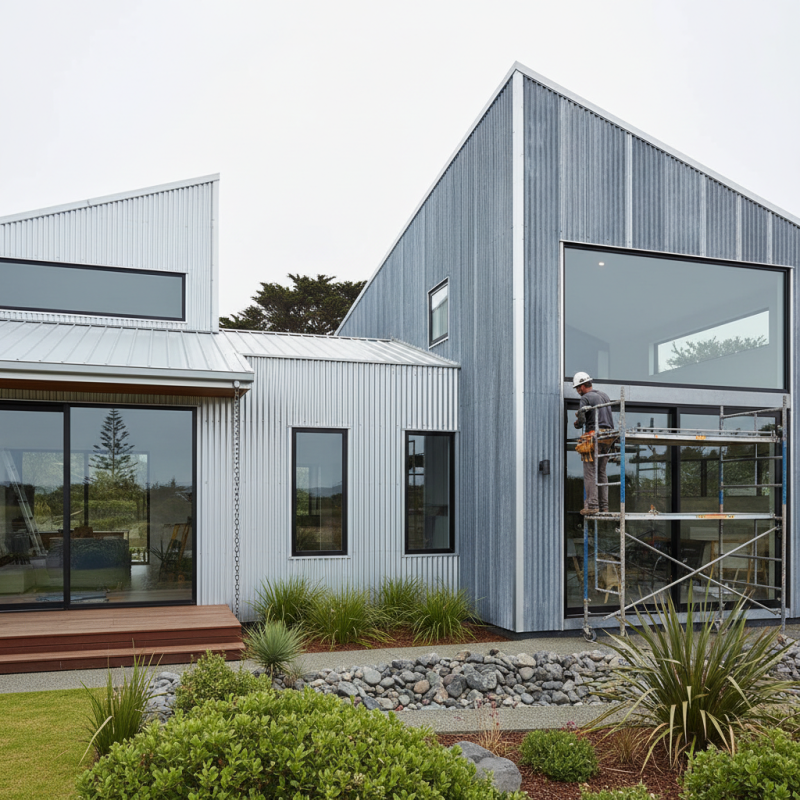
How to Choose Galvanized Corrugated Metal Panels for Your Project?

Understanding Galvanized Corrugated Metal: An Overview of Properties

Understanding galvanized corrugated metal involves examining its properties, which cater to a variety of projects. This material is known for its durability and resistance to corrosion. The zinc coating protects the steel from moisture, making it ideal for outdoor applications. Additionally, these panels are lightweight, which simplifies installation.

When selecting galvanized corrugated metal, consider the gauge. Thicker panels provide more strength but can be heavier to handle. Lighter gauges are easier to work with but may not withstand harsh weather as well. Assess your project's specific needs carefully.

Tips: Always inspect the panels for any damage before installation. A small dent can lead to future issues. Also, be aware of local building codes as they might impose restrictions on materials used. Understanding the limitations and advantages of this metal will guide your purchase decisions effectively.

Key Factors to Consider When Selecting Corrugated Metal Panels

When selecting corrugated metal panels for your project, consider durability. These panels are often exposed to the elements, so ensure they are galvanized for rust resistance. Look for quality coatings that enhance longevity. This choice greatly affects maintenance costs over time. Color options vary widely, allowing for design flexibility. However, lighter colors typically reflect heat better than darker ones.

Another key factor is panel thickness. Thicker panels offer better strength but may weigh more. Assess the structural support available before making a choice. Additionally, consider the panel profile. Different shapes influence not only aesthetics but also water drainage and snow load capabilities. Choosing the right profile can prevent issues in harsh weather conditions.

It’s crucial to address installation requirements too. Some panels are easier to install than others. Think about your skill level and tools available. This aspect can impact your project's timeline and budget. Often underestimated, proper installation ensures optimal performance and appearance. Reflect on these points to make an informed decision.

Industry Standards for Durable and Cost-Effective Metal Panels

When selecting galvanized corrugated metal panels, it's essential to consider industry standards for durability and cost-effectiveness. Research shows that galvanized panels can last up to 50 years, making them a long-term investment. They are resistant to rust and corrosion due to a protective zinc coating. This feature is critical in environments exposed to moisture and varying temperatures.

The standard thickness for galvanized panels typically ranges from 26 to 29 gauge. Thicker panels often denote better resistance to impacts and bending. However, there's a trade-off with weight and cost. According to the American Iron and Steel Institute (AISI), lighter panels are easier to install but might not withstand heavy loads. Therefore, evaluating the specific needs of a project is important.

Consider the environmental conditions where the panels will be used. For example, areas with high humidity may require heavier gauges or special coatings. Additionally, quality certification from organizations like ASTM International can guide your choices. Lack of such certifications can lead to subpar performance and higher maintenance costs over time. Careful selection based on these factors ensures the right balance between cost and durability.

Comparison of Different Galvanized Corrugated Metal Panels

Comparing Different Coatings: Zinc vs. Galvanization in Metal Panels

When selecting galvanized corrugated metal panels, understanding the differences between zinc and galvanization coatings is vital. Zinc coating involves applying a layer of zinc over steel. This process creates a barrier that protects against rust and corrosion. Normally, zinc-coated panels are more affordable. However, their longevity greatly depends on the thickness of the zinc layer.

On the other hand, galvanization, typically through hot-dip galvanizing, is a more robust option. Steel is immersed in molten zinc, allowing for a thicker and more durable coating. This method provides exceptional protection, especially in harsh environments. When panels undergo heavy wear, the choice of coating significantly influences maintenance needs.

It's worth noting that neither coating method is perfect. Zinc coatings may wear away faster if used in highly corrosive areas. Galvanization can be more expensive upfront, which may not fit all budgets. It’s essential to evaluate your project’s specific conditions. Each project may benefit from different solutions, so careful consideration is key.

Applications and Best Practices for Using Corrugated Metal Panels

When considering galvanized corrugated metal panels, it's crucial to understand their diverse applications. These panels are commonly used in industrial buildings, roofing, and agricultural structures. According to a report from the Metal Construction Association, the metal panel market is expected to grow by 6% annually through 2025. This growth is driven by their durability and low maintenance needs. In high-wind areas, these panels can withstand severe weather, providing reliable protection.

Best practices for installation include ensuring proper ventilation to prevent condensation. Proper sealing around edges is vital to avoid moisture damage. Additionally, regular inspections can help identify areas that may need maintenance. Industry experts suggest using panels with a minimum of 24-gauge thickness for enhanced strength. However, mistakes can happen. Over-tightening screws or inadequate overlap during installation can lead to issues down the line. It's essential to follow installation guidelines to ensure longevity and performance.

How to Choose Galvanized Corrugated Metal Panels for Your Project?

Application Gauge Thickness Common Uses Benefits
Roofing 26 - 29 Gauge Residential and Commercial Roofs Durability, Lightweight, Cost-effective
Siding 24 - 26 Gauge Commercial Buildings, Warehouses Weather Resistance, Aesthetic Appeal
Fencing 29 Gauge Perimeter Security, Agricultural Fencing Versatile, Low Maintenance
Interior Decor 24 - 28 Gauge Wall Panels, Accent Walls Unique Style, Easy to Clean