

Scroll Top
4801 Bennett Rd. Toledo, Ohio 43612

How to Choose a Flavored Air Pen for Global Buyers?

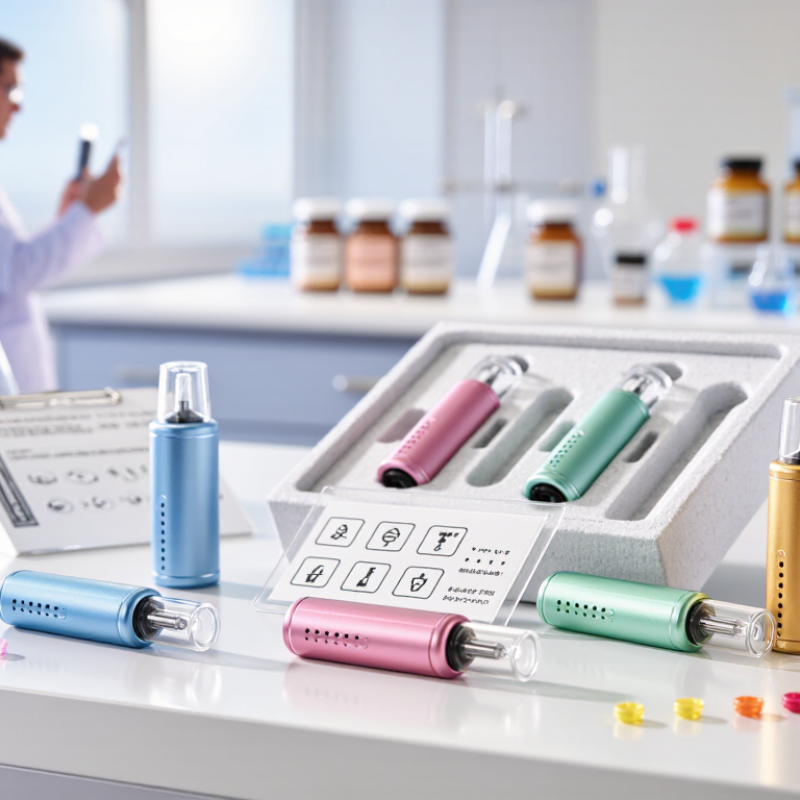
Choosing a Flavored Air Pen for global buyers requires more than comparing colors, flavors, and unit prices. Product safety, ingredient clarity, manufacturing consistency, and local compliance should guide every decision. A polished package means little if its materials, labeling, or quality records remain unclear.

Professor Charles Spence, an Oxford sensory scientist, observes, “Smell is the sense most closely linked to memory.” This insight explains why aroma quality matters. Buyers should request a complete ingredient list, allergen information, safety data, and independent test reports. The scent should feel clean, stable, and consistent from the first use to the last. Harsh notes or a leaking shell can quickly damage customer trust.

Small details matter.

Check the mouthpiece finish, airflow resistance, seal strength, and packaging durability. Confirm whether the product contains nicotine, tobacco, controlled substances, or medical ingredients. It should not make unsupported health claims. Importers must also review age requirements, advertising rules, language standards, recycling duties, and transport restrictions in every target market. One market’s acceptable label may fail another market’s review.

Supplier experience is equally important. Ask for batch records, factory audits, sample retention policies, and a clear complaint process. A supplier that avoids direct answers deserves caution. Cost still matters, but the cheapest Flavored Air Pen may create higher expenses through returns, relabeling, or customs delays. No checklist is perfect. Buyers should test samples under real shipping conditions and record what changes. Practical evidence is often more useful than attractive promises.

How to Choose a Flavored Air Pen for Global Buyers?

What Is a Flavored Air Pen and How Does It Work?

A flavored air pen is a small, battery-powered device designed to deliver scented airflow without burning material. When a user inhales through the mouthpiece, air moves across a flavor or aroma chamber. The airflow then carries a light taste or scent forward. Most models use a sensor or simple activation button. They should not contain nicotine, controlled substances, or ingredients prohibited in the destination market.

For global buyers, the internal structure matters more than a stylish shell. Check whether the air path uses food-contact or inhalation-appropriate materials. Ask for independent laboratory reports, ingredient lists, and batch traceability. A clear label should state the flavor source, operating method, battery details, and intended use. Avoid suppliers who promise medical benefits. Those claims often lack reliable evidence. The experience may also vary between users.

Battery protection deserves careful attention. Look for overcharge, overheating, and short-circuit safeguards. Confirm charging instructions and packaging requirements before shipment. Customs rules differ widely, especially for products that resemble vapor devices. Review local product, transport, advertising, and age-related requirements with a qualified compliance professional. I have found that flavor strength is difficult to judge from samples alone. Humidity, storage time, and airflow resistance can change the result. Some flavors sound attractive but become harsh after repeated use. A practical test with several users is worth the extra time. That step is easy to overlook.

How to Choose a Flavored Air Pen for Global Buyers? - What Is a Flavored Air Pen and How Does It Work?

Flavored Air Pen Selection Guide for International Buyers
Evaluation Dimension What It Means Common Product Range or Standard Why It Matters to Global Buyers
Product Definition A flavored air pen is a compact inhalation device designed to deliver aroma or flavor through airflow. Product designs differ, and some models may contain vapor-producing components. Non-electronic aroma pens, electronic vapor devices, and other inhalation products are separate categories. Clear classification helps buyers compare products accurately and avoid incorrect customs, retail, or regulatory declarations.
Working Principle Airflow passes through or around a flavor source. In electronic versions, a battery powers a heating element that may produce an aerosol. Draw-activated operation is common; button-activated designs are also available. The operating method affects ease of use, accidental activation risk, user experience, and product testing requirements.
Nicotine Status A product may be nicotine-free or may contain nicotine if it is classified as a nicotine product in the destination market. Verify the label, bill of materials, laboratory report, and formulation before purchase. Nicotine can trigger age restrictions, licensing rules, health warnings, taxation, and import controls.
Flavor Format Flavor may come from a dry aroma insert, replaceable cartridge, prefilled liquid, or another formulation. Common flavor profiles include mint, fruit, citrus, tea, and botanical notes. The format determines shelf life, leakage risk, storage conditions, refill policy, and documentation needs.
Battery and Charging Electronic models require a rechargeable or disposable battery to operate the sensor, control circuit, and heating element. USB-C charging is widely used in rechargeable consumer electronics; battery capacity varies by model. Battery type affects transport classification, charging compatibility, product safety testing, and after-sales support.
Expected Usage Usage depends on airflow, battery capacity, liquid or flavor quantity, draw duration, and device design. Do not rely only on advertised puff counts; request test conditions and supporting data. Comparable test methods help buyers evaluate total cost, replenishment frequency, and customer expectations.
Materials and Build Key components may include the outer housing, mouthpiece, airflow channel, reservoir or insert, circuit board, battery, and heating element. Request material specifications and food-contact or inhalation-contact declarations where applicable. Material traceability supports safety review, durability assessment, recycling decisions, and market compliance.
Leakage and Airflow Airflow resistance, seal quality, and liquid handling influence draw consistency and the risk of leakage or condensation. Evaluate samples in upright, inverted, warm, cold, and transport-simulation conditions. Reliable sealing reduces complaints, packaging damage, and problems during international shipping.
Packaging and Labeling Packaging should identify ingredients or materials, quantity, battery information, warnings, manufacturer details, and applicable instructions. Use destination-market language, measurement units, warning symbols, and recycling marks where required. Accurate labeling reduces customs delays, retailer rejection, and consumer misuse.
Compliance Documents Documentation may include safety test reports, transport documents, battery test summaries, ingredient declarations, and market-specific conformity records. Requirements vary by country, product type, nicotine status, radio functions, and battery configuration. Compliance must be confirmed for the destination country before placing a commercial order.
Shipping Considerations Products containing lithium batteries, liquids, or regulated substances may require special packaging and transport procedures. Confirm battery classification, state-of-charge requirements, carton markings, and carrier acceptance before dispatch. Correct shipping preparation helps control freight costs and prevents rejected or delayed consignments.
Quality-Control Checks Important checks include activation consistency, airflow, leakage, flavor consistency, battery performance, charging safety, packaging integrity, and appearance. Use an approved sample, written inspection criteria, batch records, and random pre-shipment inspection. A defined quality process provides measurable acceptance criteria for international orders.
Best Buyer Questions Ask whether the product is electronic, whether it contains nicotine or liquid, how it is activated, and which documents are available. Also request sample specifications, shelf-life data, warranty terms, minimum order quantity, lead time, and spare-part availability. A complete pre-order checklist reduces technical, legal, financial, and after-sales risks.

Note: Product specifications, legal requirements, age restrictions, nicotine rules, and transport conditions vary by destination market. Buyers should verify current requirements with the relevant customs authority, regulator, carrier, and qualified compliance professional.

Which Flavor Types and Ingredients Suit Your Target Market?

How to Choose a Flavored Air Pen for Global Buyers?

Flavor selection should begin with your target market, not a supplier catalogue. Fruit profiles, such as mango, berry, citrus, and peach, often feel familiar across regions. However, taste preferences can change sharply between countries and age groups. Some buyers prefer bright acidity, while others choose soft sweetness or cooling notes. Small test batches can reveal these differences before a large order.

Read the ingredient list carefully. Choose clearly identified food-grade flavorings, permitted sweeteners, and suitable carriers for the product format. Avoid ingredients with unclear sources or exaggerated functional claims. “Natural” does not always mean safer or more suitable. Review allergen statements, stability data, and local labeling rules with a qualified compliance professional. Regulations differ, and they may change. This part deserves patience.

Tips: Ask distributors to compare three flavor directions with real customers. Test aroma strength after storage, not only on the first day. Check whether the formulation leaves residue or changes color. Keep the label simple. I once overlooked regional preferences for less sweetness, and the feedback was useful but expensive. A practical choice may be less exciting, yet easier to explain, document, and approve across markets. Always confirm ingredients and marketing language before production.

How to Compare Device Quality, Safety, and User Experience

Choosing a flavored air pen requires more than comparing colors and advertised puff counts. A reliable device should show battery test records, material declarations, and batch traceability. Look for testing aligned with IEC 62133-2 for rechargeable cells and UN 38.3 for transport safety. These references do not guarantee perfect performance, but missing documentation is a serious warning.

Air-contact materials deserve close attention. Ask whether the mouthpiece, seals, and flavor cartridge are tested for odor, migration, and heat stability. The World Health Organization’s 2021 Global Air Quality Guidelines set annual PM2.5 guidance at 5 μg/m³. This does not certify any air pen, but it reinforces a useful principle: avoid products making vague “clean air” or wellness claims. Flavor ingredients should be clearly listed, with allergen information and a stated shelf life. Marketing language is often too confident.

User experience is equally practical. A good pen should provide steady airflow, clear charging status, comfortable grip, and protection against accidental activation. Battery warmth, leaking liquid, or a burnt smell should end the evaluation immediately. The Global E-waste Monitor 2024 reported 62 million tonnes of electronic waste in 2022, with 82 million tonnes projected by 2030. Replaceable parts and responsible recycling therefore matter. No checklist is perfect. Still, comparing independent lab results, warranty terms, and local compliance records gives global buyers stronger evidence than appearance alone.

How to Choose a Flavored Air Pen for Global Buyers?

Use this neutral buyer-evaluation framework to compare device quality, safety, and user experience without relying on company or brand data. Safety receives the highest weighting because battery protection, materials compliance, and manufacturing controls should be verified before purchase.

How to use the chart: Score each category from 1 to 5 using documented evidence such as test reports, material declarations, batch records, charging protection specifications, leak testing, draw consistency, and clear user instructions. Multiply each score by the suggested weighting to create a transparent comparison across suppliers.

What Certifications and Import Rules Apply in Different Countries?

How to Choose a Flavored Air Pen for Global Buyers?

Import rules for flavored air pens depend on their design, ingredients, and advertised purpose. A device sold as a consumer electronic product may require different documents from one making health-related claims. Confirm the correct HS code before shipment. A customs broker can prevent expensive mistakes. Rules change. Do not rely on a supplier’s certificate alone.

For European Union sales, check CE requirements, RoHS limits, REACH obligations, battery rules, and local language labeling. Wireless models may also need radio equipment compliance. The United Kingdom can require UKCA-related documentation, while the United States may apply FDA rules if the product delivers inhaled substances or makes therapeutic claims. Canada and Australia also review product composition, packaging, and marketing language through their own authorities. The same pen may need different assessments in each market.

Request a declaration of conformity, test reports, battery safety evidence, transport documents, and a complete ingredient list. For lithium batteries, UN 38.3 testing and suitable shipping paperwork are commonly important. Packaging should show warnings, responsible importer details, disposal instructions, and required translations. Age controls may apply, even when no restricted ingredient is present. Keep records. Some suppliers provide old reports, incomplete labels, or certificates covering another model. I have seen small wording differences trigger customs questions. A pre-shipment review with an accredited laboratory and local import adviser is safer than correcting paperwork after arrival. Mistakes still happen, especially when regulations change mid-year.

How to Evaluate Suppliers, Costs, and Customization Options

How to Choose a Flavored Air Pen for Global Buyers?

When evaluating suppliers, request a complete product file, not just a price sheet. It should include material details, flavor ingredient information, battery specifications, test reports, and factory quality procedures. Ask whether samples come from regular production. A perfect sample means little if mass production uses different components. Request two or three samples from separate batches. Compare airflow, flavor consistency, surface finish, and packaging condition.

Calculate the landed cost carefully. Include unit price, tooling, custom packaging, sampling fees, freight, insurance, duties, and inspection costs. A low factory quote may become expensive after small-order charges and shipping. Confirm the minimum order quantity and payment schedule in writing. Suppliers should explain lead times clearly. Delays often begin with unclear artwork approval. That detail is easy to underestimate.

Customization may cover color, shell texture, mouthpiece shape, flavor profile, packaging, and instruction inserts. Ask for digital proofs and a physical pre-production sample. Confirm which changes increase tooling costs or extend production time. Reliable suppliers should provide traceability, batch records, and responsive corrective action. Check their audit history where available, and speak with recent business customers. I used to focus too heavily on appearance. That was a mistake. Consistent documentation and honest communication usually protect a global order better than attractive samples. Ensure every design and label follows the destination market’s applicable requirements.

Article Source: