

Scroll Top
4801 Bennett Rd. Toledo, Ohio 43612

How to Choose the Best Electric Water Heater for Your Needs?

Choosing the best Electric Water Heater requires careful consideration. It significantly impacts your household's comfort and energy efficiency. Understanding your specific needs is crucial before making a decision.

An electric water heater offers convenience and reliability. Evaluate factors like capacity, energy efficiency rating, and installation space. You may find yourself overwhelmed by the variety available. It's essential to seek advice from professionals.

Many consumers overlook crucial details during the selection process. For instance, sizing can greatly affect performance. A unit too small might not meet demand, while an oversized one wastes energy. Pay attention to warranties and customer reviews as well. They provide insight into the product's reliability and long-term satisfaction. The right choice will ultimately enhance daily living, but it requires thoughtful reflection and research.
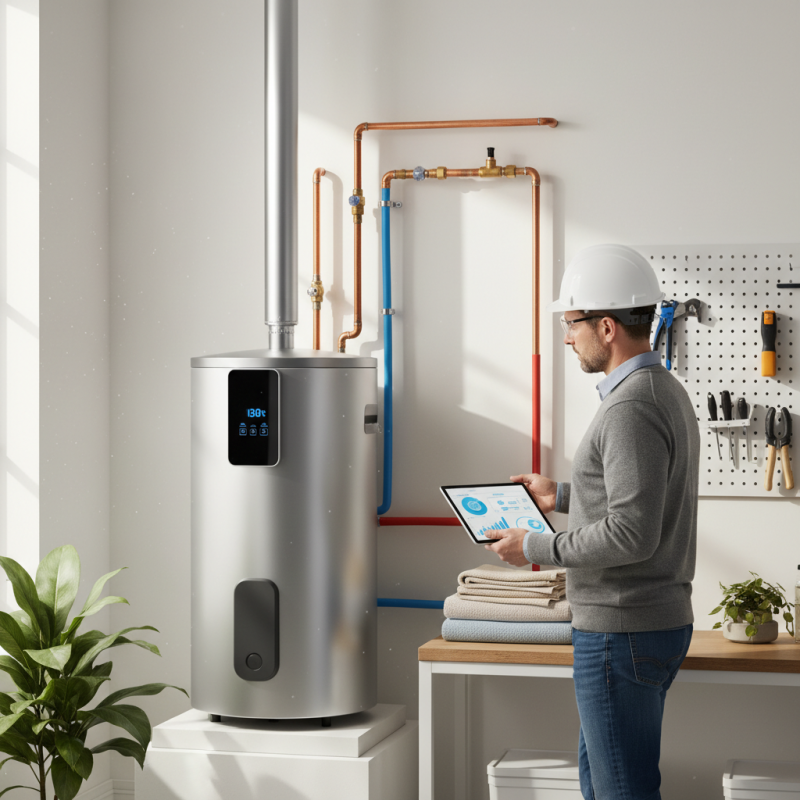
How to Choose the Best Electric Water Heater for Your Needs?

Types of Electric Water Heaters and Their Features

When selecting an electric water heater, understanding the different types available is crucial. Electric water heaters primarily fall into two categories: tank and tankless. Tank heaters store hot water in a reservoir, typically ranging from 20 to 80 gallons, allowing for immediate access. However, they may consume energy continuously to maintain the temperature, leading to higher utility bills.

Tankless heaters, on the other hand, heat water on demand. They offer endless hot water and are more energy-efficient, with a reported efficiency of up to 98%. According to the U.S. Department of Energy, tankless systems can save homeowners around $100 annually. However, installation costs can be higher, which may reserve them for specific budgets.

Both types have unique features to consider. For example, some advanced models come with smart technology that allows users to control temperatures and monitor usage via mobile apps. This can facilitate energy conservation, yet it raises concerns regarding privacy and data security for some users. Ultimately, the best choice depends on individual needs, preferences, and financial capacity, underscoring the need for careful consideration.

Types of Electric Water Heaters and Their Features

Factors to Consider When Choosing an Electric Water Heater

Choosing the right electric water heater requires careful consideration. Several factors influence your decision. Start with the size. Assess your household's hot water needs. A larger family may require a tank model, while a single person could opt for a compact unit. Think about installation space and energy efficiency too.


Energy efficiency ratings matter. Look for models with high ratings to save on electricity bills. Check the first-hour rating, indicating how much hot water is available in the first hour of use. Additionally, consider the recovery rate. This tells you how quickly the unit can heat water after the initial supply is depleted.


Cost is another crucial factor. Weigh the initial expense against long-term savings. Sometimes, a cheaper model may lead to higher bills over time. Don't overlook warranties and customer reviews. They offer insights into reliability and performance. Reflect on your specific needs and environment to make the best choice.

Sizing Your Electric Water Heater for Optimal Performance

When selecting an electric water heater, sizing is crucial for optimal performance. The right size ensures you have enough hot water without wasting energy. To begin, assess your household's daily hot water needs. Calculate the total gallons required for showers, dishwashing, laundry, and other activities. Typically, a family of four might need between 40 to 50 gallons of hot water per day.

Consider peak usage times. If everyone showers in the morning, your heater should accommodate that demand efficiently. A commonly made mistake is choosing a unit too small, leading to frustrating cold showers. Conversely, an oversized heater can waste energy. Think about recovery rates too; this is how quickly a heater refills its tank. Understanding your consumption patterns allows for better sizing, whether you choose a tank or tankless model.

Always review the energy efficiency ratings of your options. A heater that meets your size requirements but lacks efficiency can lead to high bills. Research local climate factors; colder areas may require larger units due to temperature fluctuations. Don’t rush the decision. Take time to evaluate and reflect on your specific water heating habits. This thoughtful approach will lead to better satisfaction and lower operating costs.

How to Choose the Best Electric Water Heater for Your Needs? - Sizing Your Electric Water Heater for Optimal Performance

Heater Type Tank Capacity (Gallons) Recovery Rate (Gallons/hour) Energy Efficiency (EF) Estimated Cost ($)
Standard Electric 40 30 0.90 600
Heat Pump 50 40 2.0 1200
Point-of-Use 10 5 1.0 200
Tankless N/A 8 0.95 800
Solar 60 35 1.5 3000

Energy Efficiency Ratings and Cost Savings in Electric Water Heaters

When considering an electric water heater, energy efficiency is a crucial factor. The U.S. Department of Energy states that water heating accounts for nearly 18% of a home's energy usage. Choosing a high-efficiency model can significantly lower your utility bills. For instance, Energy Star-rated units can reduce energy consumption by up to 50%. This alone highlights the importance of understanding efficiency ratings.

Cost savings can be substantial over time. For example, a standard electric water heater may cost around $500 to $700 upfront. However, a high-efficiency unit, while pricier at approximately $800 to $1,500, can save you anywhere from $200 to $400 annually in energy costs. Over a decade, that could mean saving up to $4,000. Such calculations emphasize the need for long-term thinking when selecting a heater.

It's also essential to account for the size and capacity that suit your daily needs. A unit that's too small can lead to increased energy consumption as it works harder to meet demand. Conversely, an oversized unit may waste energy. This balance is often overlooked, leading to ongoing inefficiencies and higher costs. Understanding your household’s hot water demands can provide clarity and aid in making informed choices.

Installation and Maintenance Tips for Electric Water Heaters

When selecting an electric water heater, installation plays a crucial role. Many homeowners overlook the importance of correct installation. In fact, a recent report by the U.S. Department of Energy indicated that improper installation can reduce energy efficiency by 10 to 30 percent. This highlights the need for professional installation services. An expert can ensure your unit is correctly connected and functions optimally.

Maintenance is equally important for longevity and efficiency. Regularly checking the heating elements and flushing the tank can prevent sediment buildup. The Environmental Protection Agency recommends flushing your heater at least once a year. Neglecting these tasks can lead to unwanted repairs. It's reported that 75% of water heater failures stem from sediment damage. Ignoring these simple steps can lead to costly replacements and energy losses.

If you are unsure about maintenance procedures, seek professional help. Some maintenance tasks can feel daunting. A licensed technician can provide guidance on best practices. Regular inspections might seem unnecessary, but they can uncover minor issues before they escalate. It’s wise to invest time in maintenance. After all, a well-maintained electric water heater can save you both the hassle and expense down the line.