

Scroll Top
4801 Bennett Rd. Toledo, Ohio 43612

How to Choose a DIN 42530 1/250 Transformer Bushing?

Choosing the correct Din 42530 1/250 Transformer Bushing requires more than matching a catalogue number. The designation may indicate a specific voltage and current combination, but interpretations can vary between manufacturers. Always confirm the supplier’s technical definition before ordering. A reliable selection begins with the transformer’s rated voltage, continuous current, insulation level, and connection arrangement. Check the conductor size, terminal type, mounting hole pattern, and available installation space. A bushing that fits electrically may still fail mechanically.

Practical inspection matters. Measure the flange area, gasket seat, and clearance around nearby components. Examine the porcelain or composite body for cracks, contamination, and uneven glazing. For outdoor service, review creepage distance, weather exposure, humidity, and pollution severity. Indoor units may need different protection from condensation. Ask for certified drawings, routine test information, material details, and installation instructions. These documents help connect the product with traceable engineering evidence.

Do not rely on appearance alone.

A qualified transformer engineer should compare the bushing with the transformer’s insulation coordination and protection system. Pay close attention to temperature rise and long-term contact heating, especially in high-load applications. It is tempting to choose the cheapest compatible part, yet an uncertain seal or poor terminal connection can create costly failures. I have seen specifications overlooked when teams focused only on dimensions. That lesson deserves emphasis. The best choice balances electrical performance, mechanical fit, environmental durability, maintenance access, and verified manufacturer support. When uncertainty remains, request clarification in writing before approval.
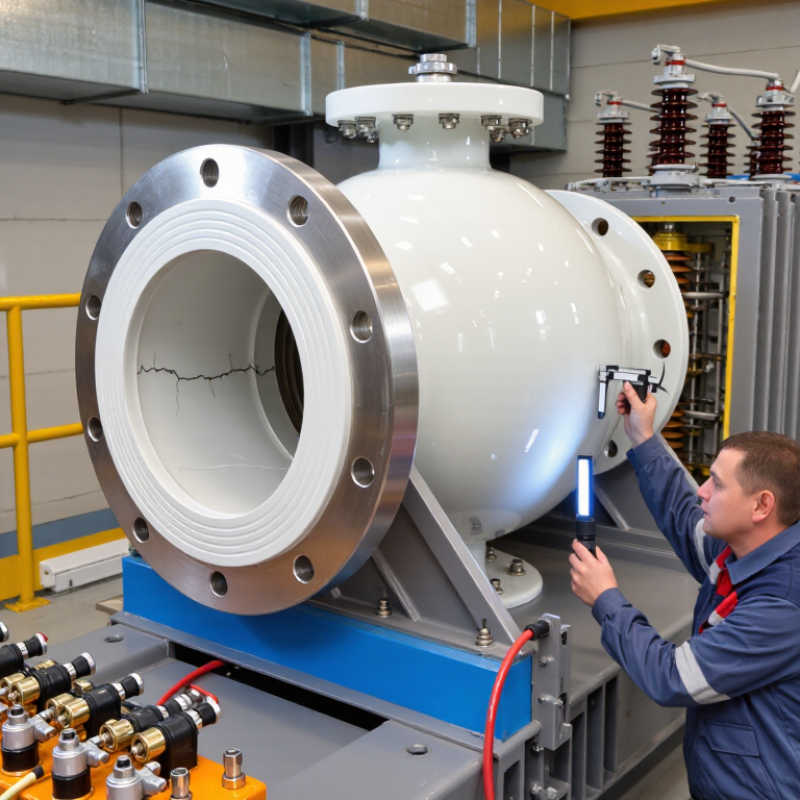
How to Choose a DIN 42530 1/250 Transformer Bushing?

Understanding the DIN 42530 1/250 Transformer Bushing Standard

How to Choose a DIN 42530 1/250 Transformer Bushing?

Understanding the DIN 42530 1/250 Transformer Bushing Standard

A DIN 42530 1/250 bushing is commonly associated with a 1 kV rated voltage and 250 A rated current. The designation alone is not enough for selection. Confirm the applicable standard edition, drawing, and transformer design before ordering. In practical inspections, the bushing must match the tank opening, mounting pattern, conductor arrangement, and available installation space. A small dimensional error can create leakage or difficult maintenance.

Check the porcelain or insulating body for suitable creepage distance and mechanical strength. Outdoor equipment may require greater surface protection because dust, moisture, and salt can reduce insulation performance. The metal terminal should accept the conductor size without forcing the connection. Verify tightening requirements, gasket material, sealing face quality, and oil compatibility. These details often decide whether a bushing remains reliable after years of thermal cycling.

Do not select only by voltage and current. Review routine test records, insulation requirements, temperature limits, and short-circuit withstand data. The transformer manufacturer’s interface drawing remains authoritative. I have seen specifications copied from older projects, even when the tank design had changed. That shortcut deserves review. If the service environment is unusual, request technical confirmation and inspect the complete assembly, not only the bushing body. Safety margins should be documented, not assumed.

Identifying Voltage, Current, and Insulation Requirements

How to Choose a DIN 42530 1/250 Transformer Bushing?

Identifying Voltage, Current, and Insulation Requirements

Selecting a DIN 42530 1/250 transformer bushing starts with the system voltage. Check the transformer’s highest operating voltage, not only its nominal rating. Temporary overvoltage can expose weak insulation quickly. Confirm the required power-frequency withstand and impulse withstand values from the applicable standard edition. Do not assume that “1/250” provides every necessary electrical detail. Verify the exact drawing and technical schedule.

Current selection needs equal care. Compare the bushing’s continuous current rating with the transformer’s full-load current. Include overload conditions, ambient temperature, and enclosure heat. A bushing carrying 250 amperes continuously may not suit every installation. Terminal size matters too. Poor contact pressure can create hot spots, discoloration, and premature failure. Measure the connection space before ordering. Small errors become expensive onsite.

Insulation requirements depend on more than voltage. Check creepage distance, clearance, pollution level, altitude, and moisture exposure. Coastal or dusty locations usually need stronger surface protection. Inspect the porcelain or insulating body for chips, hairline cracks, and uneven glazing. I have seen installations pass a paper review but fail after condensation entered a poorly sealed flange. That detail is easy to miss. Confirm gasket dimensions, mounting orientation, and compatibility with the transformer oil or sealing material. When data conflicts, stop and request the manufacturer’s certified dimensional and electrical documents. Confidence is useful, but verification is safer.

How to Choose a DIN 42530 1/250 Transformer Bushing?

Identifying voltage, current, and insulation requirements

The “1/250” designation indicates a nominal voltage class of 1 kV and a rated current of 250 A. At 1 kV in a three-phase system, this corresponds to approximately 433 kVA of apparent power. Select a bushing with voltage and current ratings equal to or higher than the transformer requirements, then verify insulation coordination, power-frequency withstand voltage, creepage distance, clearances, temperature rise, and installation conditions against the applicable DIN 42530 documentation.

Selecting the Correct Bushing Materials and Construction

Choosing a DIN 42530 1/250 transformer bushing starts with its material and construction. The designation alone does not define every service condition. Verify the rated voltage, current, insulation level, and mounting dimensions against the transformer design.

Porcelain remains a dependable insulating material for many oil-filled transformers. It resists heat, ultraviolet exposure, and surface tracking when properly glazed. Polymer insulation can reduce weight and improve impact resistance. However, its long-term behavior depends on housing quality, sealing, and environmental exposure. Inspect the conductor carefully. Copper or aluminum affects resistance, joint design, and temperature rise. The terminal should provide firm contact without damaging threads or plating.

Seals deserve equal attention. Oil-resistant elastomers must tolerate thermal cycling without hardening or shrinking. A small sealing defect can allow moisture into the insulation system. That risk is easy to underestimate. Check creepage distance, flange flatness, gasket compression, and torque requirements during installation. Factory test reports should include insulation resistance, dielectric testing, and dimensional checks. In field work, I also examine discoloration, hairline cracks, loose hardware, and oil traces around the flange.

A clean calculation can still miss vibration or awkward cable routing. Recheck the installation, especially where temperature changes are severe. When uncertainty remains, compare the bushing drawing with the transformer tank opening and actual conductor arrangement. That practical check often prevents an expensive mismatch.

Checking Dimensions, Mounting, and Electrical Compatibility

How to Choose a DIN 42530 1/250 Transformer Bushing?

Selecting a DIN 42530 1/250 bushing starts with dimensional verification. Treat “1/250” as a complete designation, not a current rating, unless the technical sheet confirms it. Measure the porcelain length, flange diameter, bolt-hole spacing, terminal diameter, and required creepage distance. A millimeter matters. Compare every value with the transformer tank drawing, not only an older replacement sample. CIGRE Technical Brochure 642, Transformer Reliability Survey, identifies bushings as a recurring external failure category in utility transformer data. This supports careful inspection before ordering.

Mounting details deserve equal attention. Check the flange orientation, gasket seat, stud length, and available clearance above the cover. Confirm whether the bushing installs vertically or at an angle. Use the specified tightening sequence and torque. Excessive force may damage the seal or porcelain. Electrical compatibility includes rated voltage, continuous current, power frequency, insulation level, creepage distance, and terminal material. IEC 60137:2017 provides the key insulation and testing framework for high-voltage bushings. A correct fit can still fail electrically.

Tips: Request a certified dimensional drawing and routine-test report. Confirm the terminal accepts the existing cable lug. Photograph the mounting area before removal. Keep one measurement independent. Small assumptions often survive until commissioning. Recheck the clearance under real cable bending, because laboratory geometry can be too optimistic.

How to Choose a DIN 42530 1/250 Transformer Bushing? - Checking Dimensions, Mounting, and Electrical Compatibility

Inspection Category Parameter Reference Requirement or Value How to Check Acceptance Record
Product Identification Bushing designation DIN 42530, type 1/250 Check the marking, drawing, and certificate supplied with the bushing. Matches / Does not match
Electrical Rating Rated voltage class 1 kV class; the actual system insulation level must also be verified. Compare the bushing rating with the transformer winding voltage and system highest voltage. Suitable / Not suitable
Electrical Rating Rated continuous current 250 A nominal, as indicated by the “250” designation. Confirm that the bushing rating is not lower than the transformer terminal current. ≥ 250 A required
Electrical Rating Operating frequency 50 or 60 Hz, provided the complete transformer insulation system is rated for the selected frequency. Compare the bushing documentation with the transformer nameplate and project specification. 50 Hz / 60 Hz / Other
Insulation Insulating material Typically glazed electrical porcelain for traditional DIN 42530 transformer bushings; the supplied product material must be confirmed. Inspect the product specification and check for cracks, chips, glaze damage, or contamination. Material confirmed / Defect found
Dimensional Check Mounting-hole diameter Must match the transformer-tank mounting-hole diameter shown on the approved bushing drawing. Do not assume a universal value. Measure the tank opening with a calibrated vernier caliper and compare it with the certified drawing. Drawing value: ______ mm
Measured: ______ mm
Dimensional Check Flange outside diameter Must provide complete coverage of the tank opening and match the mating flange or sealing surface. Measure the flange outside diameter and compare the bolt-circle layout with the tank drawing. Drawing value: ______ mm
Measured: ______ mm
Dimensional Check Bolt-hole quantity and pitch circle The number, diameter, and pitch-circle diameter must correspond exactly to the transformer-tank flange. Use the certified drawing and a bolt-circle template; never enlarge or re-drill the tank without engineering approval. Quantity: ______
Pitch circle: ______ mm
Dimensional Check Overall length and immersion length Must provide the required external creepage path and internal clearance without interfering with the transformer winding or internal leads. Compare the bushing outline drawing with the tank, winding, lead, and cover clearances. External length: ______ mm
Immersion length: ______ mm
Terminal Connection Terminal type and thread Must match the transformer lead, cable lug, busbar, or terminal connector. Thread size must be taken from the approved product drawing. Check thread, stud length, terminal geometry, contact area, and tightening instructions. Thread: ______
Compatible / Not compatible
Sealing Gasket and sealing surface The gasket material, thickness, and sealing profile must be compatible with the transformer oil, ambient temperature, and flange finish. Inspect the gasket for correct size, elasticity, damage, and chemical compatibility before installation. Correct gasket installed / Replace gasket
Mechanical Installation Clearance and orientation Maintain the clearances specified by the transformer design and install the bushing in the orientation shown on the drawing. Check cover clearance, phase spacing, lead routing, access for tightening, and protection against mechanical stress. Approved / Requires redesign
Thermal Compatibility Temperature and load capability The 250 A rating must remain adequate for the expected continuous load, overload conditions, ambient temperature, and enclosure temperature. Review the transformer load profile and the bushing temperature-rise data where required. Thermally suitable / Not suitable
Quality Verification Routine test documentation Obtain the applicable routine-test and inspection records required by the project specification and relevant standards. Verify traceability, inspection date, serial or batch reference, and test results. Documents received / Missing
Final Selection Compatibility decision Select the bushing only when the 1 kV class, 250 A current rating, mounting dimensions, terminal arrangement, insulation requirements, and sealing system are all compatible. Complete the dimensional, mechanical, electrical, and documentation checks before purchase or installation. Approved / Rejected / Further review
Important selection note: The “1/250” designation identifies the nominal 1 kV and 250 A class. Exact mounting dimensions, bolt patterns, terminal details, clearances, and sealing dimensions must be taken from the certified drawing for the specific bushing and matched to the transformer tank design.

Comparing Quality, Testing, and Supplier Documentation

How to Choose a DIN 42530 1/250 Transformer Bushing?

Choosing a DIN 42530 1/250 transformer bushing starts with fit, not appearance. Check the drawing against the transformer tank, conductor arrangement, mounting holes, and sealing surface. A polished porcelain body may look excellent, yet a small dimensional error can cause installation delays. Review insulation levels, creepage distance, rated current, and operating environment. These details should match the equipment specification and the applicable DIN edition.

Fit First Choosing the correct dimensions and specifications helps prevent installation delays.

Quality becomes clearer through controlled testing. Ask for routine test records and relevant type-test evidence, including power-frequency withstand, insulation checks, and partial-discharge results where required. Each report should identify the bushing model, production batch, test date, applied voltage, and acceptance criteria. Supplier documentation must also include material details, dimensional drawings, installation instructions, and traceability records. In practice, I compare the serial number on the crate with the certificate before acceptance. It sounds simple. It prevents confusion. However, documents can appear complete while missing test conditions or laboratory information. That weakness deserves a direct question.

Tips: Request a signed inspection plan before production. Confirm revision numbers on every drawing. Check flange flatness and porcelain surfaces under good lighting. Keep photographs with the receiving report. If a supplier avoids specific answers, pause the purchase and seek independent technical review. A lower price is not useful when replacement work interrupts commissioning. Supplier confidence should come from evidence, not promises.