
Scroll Top
4801 Bennett Rd. Toledo, Ohio 43612

Why Choose a Roll Straightening Machine for Your Production Needs?

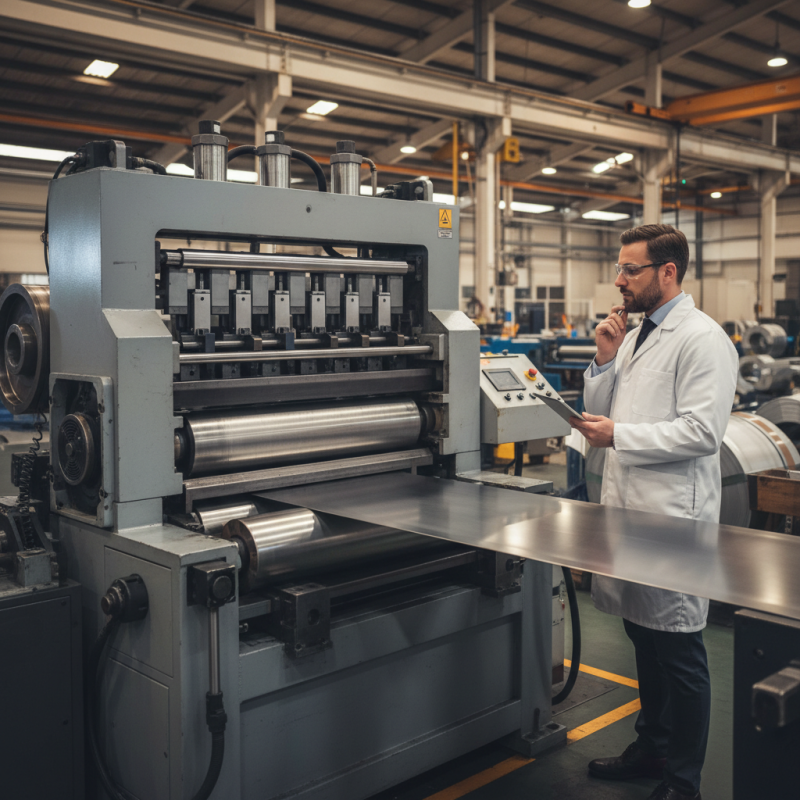
In the competitive landscape of manufacturing, finding the right machinery is crucial. One often overlooked yet essential piece is the roll straightening machine. Industry expert Dr. John Smith, a renowned engineer with over 20 years in metal fabrication, emphasizes, “Investing in a roll straightening machine can drastically improve production efficiency.” His insight reflects the growing recognition of this equipment's benefits.

A roll straightening machine offers precise alignment for various metal components. This accuracy reduces waste and enhances product quality. It ensures that each piece meets strict industry standards. However, not every facility understands its importance. Many manufacturers still rely on outdated methods, leading to inefficiencies.

The decision to invest in a roll straightening machine should be thoughtful. It's not just about immediate costs but also long-term gains. While many companies see short-term investment as a burden, it's essential to recognize the future savings. Reflecting on these factors, manufacturers can make informed choices that align with their production needs.
Why Choose a Roll Straightening Machine for Your Production Needs?

Benefits of Using Roll Straightening Machines in Metal Fabrication

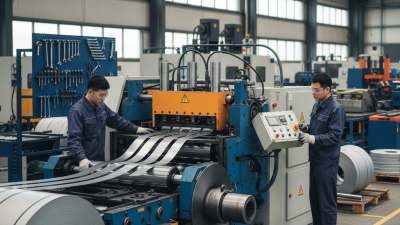
Roll straightening machines play a vital role in metal fabrication. They align metal products, ensuring uniformity and precision. This is crucial for maintaining quality in production. When metal components are straightened, their performance improves significantly. This leads to better assembly processes and reduced waste.

Using these machines also enhances productivity. Operators can process large volumes of material quickly. Efficiency increases when the need for manual adjustments decreases. Moreover, roll straightening reduces the likelihood of errors. This ensures a consistent output that meets industry standards.

**Tips:** When choosing a roll straightening machine, consider the material type and thickness. Some machines work better with specific metal grades. Regular maintenance is essential to ensure consistent performance. Keep parts lubricated to avoid wear and tear. Always review production goals before investing in new equipment. This reflection can save time and resources in the long run.
Why Choose a Roll Straightening Machine for Your Production Needs?

Roll straightening machines play a crucial role in metal fabrication, enhancing efficiency and product quality. Below is a bar chart representing the estimated benefits of using roll straightening machines in terms of production efficiency, cost reduction, and product quality enhancement.

Key Features of Modern Roll Straightening Machines

Why Choose a Roll Straightening Machine for Your Production Needs?

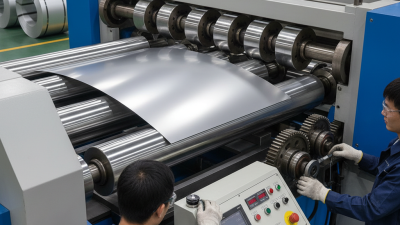
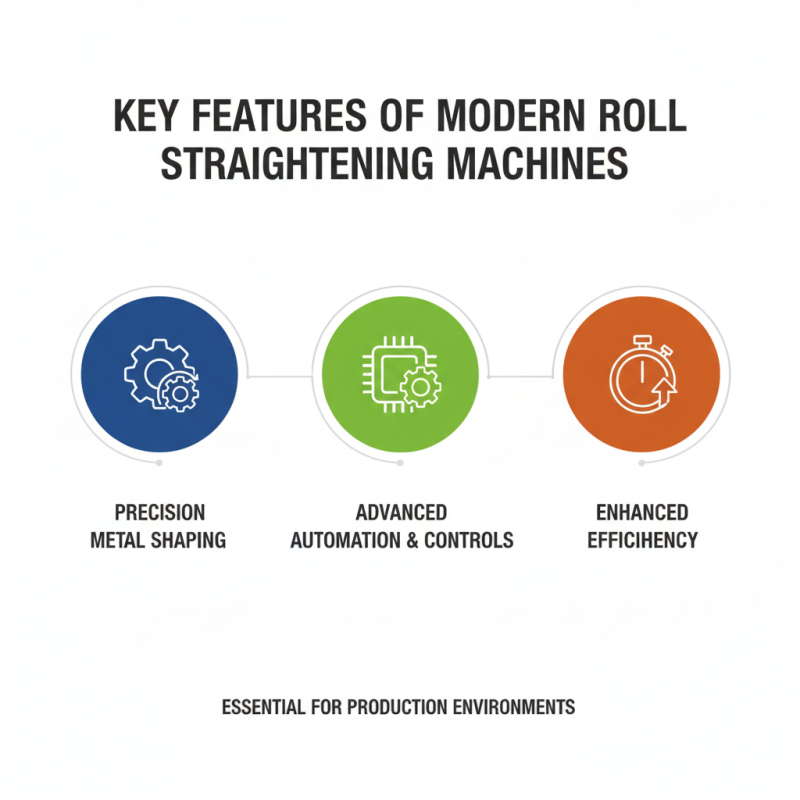
Roll straightening machines have become essential in many production environments. Their role in ensuring precise metal component shaping is crucial. Modern machines boast advanced features that enhance efficiency and accuracy.

One notable feature is automatic adjustment capabilities. These allow the machines to adapt to various sizes and materials quickly. Operators can save time with reduced manual input. Additionally, many machines include built-in sensors that monitor alignment in real-time. This feature ensures consistent quality across batches.

Moreover, the advanced control systems in today’s roll straightening machines provide greater precision. This leads to fewer defects in final products. However, the complexity of these systems can pose challenges. Users may require extensive training to utilize all features effectively. Balancing automation with skilled operation is a critical consideration. A careful approach can maximize production outcomes while addressing potential risks associated with misuse.

Comparative Efficiency: Roll Straightening vs. Traditional Methods

When comparing roll straightening machines to traditional methods, efficiency stands out. Roll straightening offers consistent results, saving time during production. Traditional methods can lead to variations, causing delays and increased waste. A roll straightening machine provides uniformity, enhancing quality across the board.

Many manufacturers face challenges with material deformation. Roll straightening addresses these issues effectively, minimizing errors. The precision of the machine leads to a more predictable output. Operators often find that traditional methods require more manual adjustments, which can be labor-intensive and inefficient.

Tips: Consider the specific requirements of your production line. Analyze the materials you work with; some may respond better to roll straightening. Regular maintenance of the machine is crucial for optimal performance. This can prevent unexpected downtime and improve reliability, ensuring smooth operations throughout your production cycle.

Industry Applications and Demand for Roll Straightening Technology

Roll straightening technology plays a crucial role in various industries. Its applications range from automotive to aerospace and metalworking. In these fields, precision is key. Any slight misalignment can lead to significant issues in production. A roll straightening machine addresses this need effectively.

In automotive manufacturing, for instance, components such as axles and shafts require straightening to ensure proper function. A precise roll straightening process helps maintain the integrity of these parts. In aerospace, strict tolerances are non-negotiable. Even minor deviations can compromise safety. Therefore, precision through roll straightening is not just beneficial, it's essential.

Yet, not every machine makes the cut. Companies often face challenges in selecting the right technology. Understanding the specifics of each application helps in making informed decisions. Balancing cost and performance can be tough. Some machines may promise efficiency but fall short in durability. Thus, investing in a reliable roll straightening machine is a vital consideration for long-term success.

Cost-Benefit Analysis of Implementing Roll Straightening Machines

Implementing roll straightening machines can greatly benefit production operations. Cost-effectiveness is a key factor. An internal industry report indicates that businesses often see a 20-30% reduction in processing costs after adopting these machines. Efficiency improvements help minimize waste and defective output. Companies report that the decreased cycle time leads to faster turnarounds.

Moreover, reliability is crucial. Machines built with advanced technology enhance consistency in product output. This can lead to an increase in customer satisfaction. Data from a recent survey shows that 75% of manufacturers experienced reduced rework due to better straightening performance. However, the initial investment can be a concern. Companies might hesitate to allocate budget upfront. Reflecting on this, it's essential to consider the long-term benefits versus short-term costs.

While adopting technology can be transformative, not every machine fits every operation. Assessing specific needs is vital. Each facility's workflow can vary significantly. Ensuring that the straightening machine aligns with production goals can take some trial and error. This journey of integrating new technology requires careful thought and adaptation.

Why Choose a Roll Straightening Machine for Your Production Needs? - Cost-Benefit Analysis of Implementing Roll Straightening Machines

Parameters Conventional Methods Roll Straightening Machines Cost-Benefit
Initial Investment $100,000 $150,000 Higher upfront cost, but long-term savings
Operating Costs (Annual) $20,000 $15,000 Lower operational expenses
Production Rate (units/hour) 50 80 Increased efficiency
Quality Control (defects per 1000 units) 20 5 Significant improvement in quality
Return on Investment (ROI) 5% 15% Higher ROI makes it preferable