
Scroll Top
4801 Bennett Rd. Toledo, Ohio 43612

Why Choose the Best Steel Mill Machine for Your Needs?

In the competitive landscape of manufacturing, choosing the right steel mill machine is crucial. The global steel industry is projected to reach $1 trillion by 2026, according to a report by Allied Market Research. High-quality machinery directly influences production efficiency, maintaining a robust manufacturing pipeline. An optimal steel mill machine enhances both productivity and precision in operations.

The selection process is often overwhelming. With numerous brands and models available, organizations must consider their specific needs. Factors like production volume, machine reliability, and maintenance costs play pivotal roles in decision-making. A flawed choice can lead to excessive downtime or increased operational costs, drawing attention to the importance of informed selection.

Investing in a top-tier steel mill machine can significantly improve product quality. Reports indicate that businesses adopting advanced machinery have seen a 15% increase in operational productivity. However, those who overlook this aspect often experience a decline in competitiveness. Therefore, understanding the nuances of your needs is essential for making an informed choice.
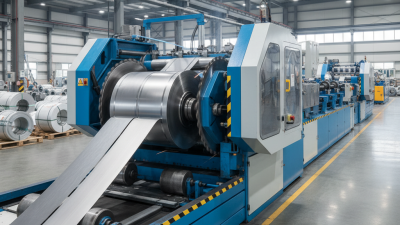
Why Choose the Best Steel Mill Machine for Your Needs?

Understanding the Importance of Steel Mill Machines in Manufacturing

Steel mill machines play a crucial role in the manufacturing process. They help reshape raw metals into usable products. Efficient machinery increases production rates and enhances product quality. When selecting a machine, consider its reliability and durability. Poor choices can lead to costly downtime.

Tips: Always assess the machine's processing capabilities. Ensure it meets your specific requirements. Regular maintenance is essential for longevity. Investing in quality machines often translates to better results.

Manufacturers must also consider the operating environment. Heat and pressure can affect machine performance. Some machines may not perform well under severe conditions. Evaluate your production needs and conditions carefully.

Tips: Look for machines with adjustable settings. This feature allows for better adaptability. Review user feedback to gain insights into machine reliability. An informed choice leads to efficient manufacturing processes.

Evaluating Different Types of Steel Mill Machines on the Market

When selecting a steel mill machine, understanding the different types available is crucial. Steel mill machines vary significantly in design and functionality. Some machines focus on rolling, while others specialize in cutting or shaping. Each type has its own advantages and limitations. For instance, a rolling mill excels in producing sheets and strips, while a forging machine is best for intricate shapes.

Evaluating your specific needs is essential. Consider factors like production volume and product variety. The right machine can enhance efficiency and reduce waste. However, not all machines are created equal. A machine that works for one setup might not suit another. Ensuring compatibility with your existing operations can save you time and money in the long run.

Moreover, the technology used in these machines is constantly evolving. New advancements can offer better performance and energy efficiency. Yet, older machines can also provide reliability and simplicity. Investing time in research can lead to more informed decisions. Always weigh the cost against functionality and long-term benefits.

Comparison of Different Types of Steel Mill Machines

Key Features to Look for in a Quality Steel Mill Machine

When selecting a steel mill machine, key features are essential for ensuring quality and efficiency. First, consider the construction quality. A robust machine will have a solid frame and durable components. This ensures longevity and consistent performance, even under heavy loads. Look for machines made with high-grade materials that can withstand wear and tear.

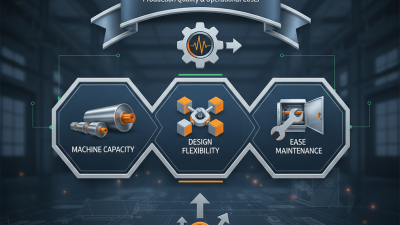
Another important aspect is precision. A quality steel mill machine should offer accurate control over dimensions and tolerances. This is crucial in producing uniform products. Machines with advanced technology often provide better reliability and feedback mechanisms. Regular maintenance can be a challenge, and understanding how to simplify this process is vital.

Power efficiency also plays a key role in operational costs. A machine that consumes less energy will save money in the long run. However, striking a balance between energy use and performance can be tricky. This can lead to some machines lacking the high output expected. Perform thorough research on the features of various models to help make an informed decision. Remember that finding the best fit often involves trial and error. This path may not be straightforward but learning from these experiences is invaluable.

Assessing Your Production Needs and Capacity Requirements

When choosing a steel mill machine, assessing your production needs is crucial. Do you require high-capacity output, or is precision more important? Understanding your specific requirements can help narrow down your options. For instance, some mills are optimized for large rolls, while others focus on smaller, detailed components.

Capacity requirements vary significantly across industries. For automotive manufacturing, speed and efficiency take priority. In contrast, custom fabrication may demand versatile machines that can handle diverse tasks. Look closely at your current and future production goals. It's essential to match machine capabilities with operational demands.

Additionally, consider the learning curve associated with different machines. More advanced options may require skilled operators, which could increase training time and costs. A thorough evaluation of your team’s expertise is vital. Choosing the right steel mill machine involves balancing immediate needs with long-term goals. Thoughtful assessment leads to more reliable production outcomes.

Cost-Benefit Analysis of Investing in Top-Quality Steel Mill Machines

Investing in top-quality steel mill machines requires careful consideration of costs and benefits. High-quality machines often come with a higher initial price tag. However, their long-term performance can lead to substantial savings over time. A reliable machine typically operates at higher efficiency levels, reducing energy consumption and production costs. This aspect alone can lead to significant cost advantages.

Maintenance costs also play a role in this analysis. Cheaper machines may seem attractive, but they can become expensive over time due to frequent repairs. In contrast, premium machines are designed for durability and require less ongoing maintenance. Choosing a well-constructed machine with a reputation for reliability may incur a higher upfront cost, yet it can reduce unexpected fees in the long run.

When evaluating your needs, consider the potential return on investment. A premium machine can boost productivity and enhance the quality of the output. This could lead to higher customer satisfaction and repeat business. Think critically about the trade-offs. Sometimes, opting for a less expensive option can lead to regrettable choices that impact your business negatively later on.

Why Choose the Best Steel Mill Machine for Your Needs? - Cost-Benefit Analysis of Investing in Top-Quality Steel Mill Machines

Feature Top-Quality Machine Standard Machine Cost Efficiency (%)
Initial Cost $150,000 $100,000 -
Lifetime (Years) 30 20 -
Maintenance Cost (Annual) $5,000 $12,000 18.75%
Output (Tons/Year) 2000 1200 66.67%
Energy Efficiency (%) 90% 75% 25%
Resale Value (% of Initial Cost) 50% 30% -