
Scroll Top
4801 Bennett Rd. Toledo, Ohio 43612

Why Choose a Roll Straightener Machine for Your Business Needs?

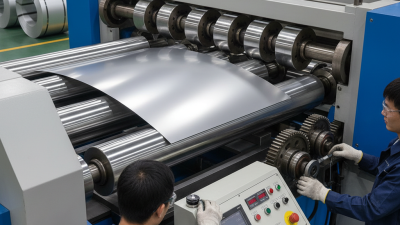
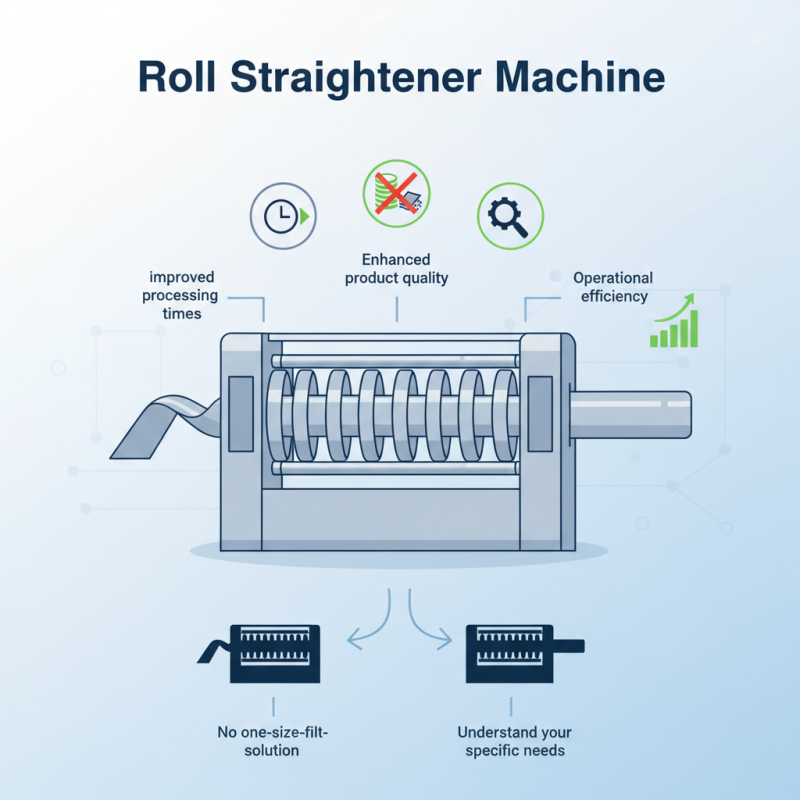
In today’s competitive manufacturing landscape, investing in a roll straightener machine can be a game changer for your business. This essential piece of equipment helps eliminate coil set and other deformities in metal materials. By ensuring precision and consistency, a roll straightener machine enhances product quality and operational efficiency.

Businesses that prioritize the straightening of their materials often see improved processing times. Reduced scrap levels can lead to significant cost savings. However, choosing the right roll straightener machine requires careful consideration. Not every model suits every application, making it vital to understand your specific needs.

There’s no one-size-fits-all solution. A deeper analysis of your production process is necessary. What works for one company may not work for another. In the end, selecting the appropriate roll straightener machine can transform production capabilities. This choice not only improves performance but also positions your business for future growth.
Why Choose a Roll Straightener Machine for Your Business Needs?

Benefits of Using a Roll Straightener Machine in Manufacturing

The roll straightener machine plays a crucial role in manufacturing processes. Its primary function is to straighten rolled metal sheets or bars, enhancing their quality and performance. According to a report by Industry Week, using a roll straightener can reduce material waste by up to 20%. This is significant for manufacturers looking to optimize production costs.

Implementing this technology leads to consistent product specifications. Inaccurate shapes in raw materials can result in defects in the final products. The Precision Metal Forming Association estimates that up to 15% of manufacturing defects arise from poor straightening processes. A reliable roll straightener helps to mitigate these issues, ensuring that materials meet high-quality standards.

However, it is essential to choose the right machine for specific needs. Different machines cater to varying material types and thicknesses. Misunderstanding these requirements can lead to underperformance. Manufacturers sometimes invest in the wrong equipment, leading to frustrations. Evaluating the long-term benefits and potential drawbacks is crucial for informed decision-making in this area.
Key Features to Consider When Choosing a Roll Straightener

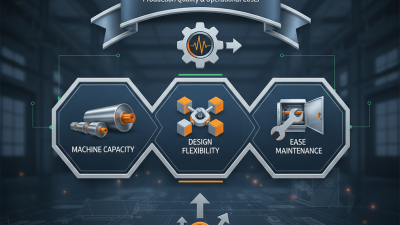
When selecting a roll straightener machine, specific features significantly impact performance. A core aspect is the roll configuration. Different setups affect the straightening efficiency for various materials. For example, a nine-roll design offers improved precision for thicker materials, according to industry reports. This configuration helps minimize material distortion during processing.

Another critical feature is the machine’s adjustment capabilities. Flexibility in settings allows operators to tailor the straightening process to specific needs. Machines with digital controls often enable a faster setup time. Data suggests that equipment employing automation can improve productivity by 20% compared to traditional methods. However, not all automated systems guarantee the same results; assessing their reliability is vital.

Additionally, pay attention to the maintenance requirements. Some machines necessitate more frequent servicing, which can hinder operations. Likewise, the machine's footprint is essential for space management. Expanding businesses must consider how a new machine will fit within their current setup. Balancing efficiency with space constraints can be challenging but is crucial for long-term planning.

Why Choose a Roll Straightener Machine for Your Business Needs? - Key Features to Consider When Choosing a Roll Straightener

Feature Description Importance Considerations
Material Compatibility Ability to process various materials like steel, aluminum, and plastic. High Ensure the machine fits the materials you work with.
Roll Configuration Different configurations are available (e.g., 2-roll, 3-roll). Medium Choose based on required precision and material size.
Adjustability The ability to adjust the gap and pressure according to needs. High Look for machines with easy adjustability features.
Power Source Electric, hydraulic, or pneumatic power options. Medium Consider availability and cost of power sources.
Maintenance Requirements Frequency and types of maintenance needed for optimal function. High Assess whether the maintenance can be easily managed.
Output Capacity The volume of material that can be processed in a given time. High Match capacity with production needs and workflow.
User-Friendliness Ease of operation by the workforce. Medium Look for intuitive controls and clear instructions.

Comparative Analysis: Roll Straighteners vs. Traditional Methods

Why Choose a Roll Straightener Machine for Your Business Needs?

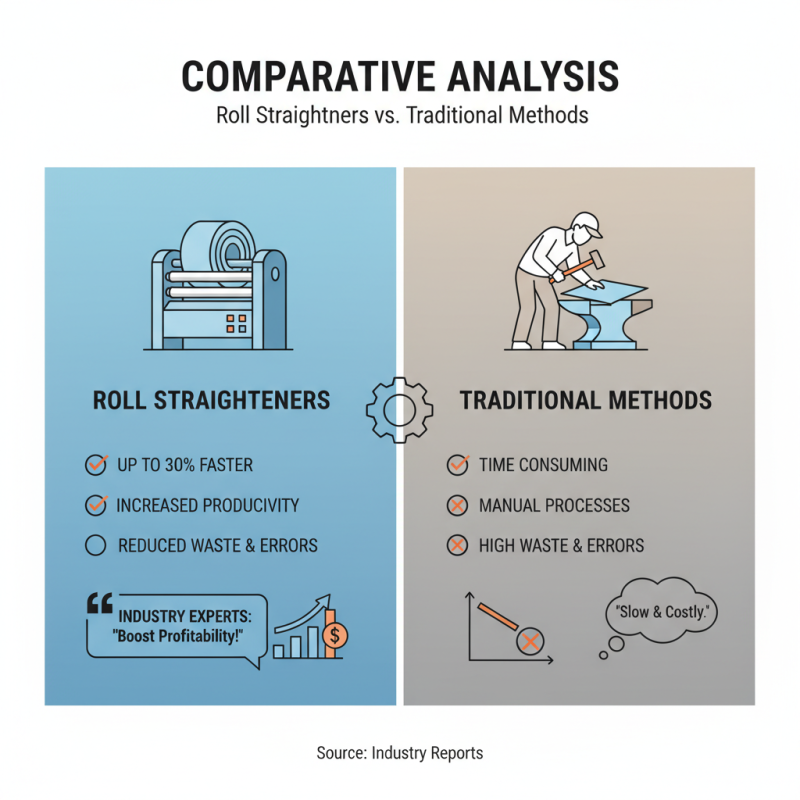
Roll straighteners offer remarkable advantages over traditional methods. Industry experts report that roll straighteners can reduce production time by up to 30%. This leads to increased productivity and profitability for businesses. Traditional methods often rely on manual processes. These processes are time-consuming and prone to errors. As a result, companies may experience higher waste rates, impacting their bottom line.

When evaluating options, consider the quality of output. Roll straighteners deliver consistent results, ensuring uniformity across products. In contrast, traditional methods often lead to variability. A report by the American Manufacturing Association indicates that maintaining product quality is crucial. Quality discrepancies can lead to client dissatisfaction and costly returns.

Tips: Invest in training your staff on new machines. Familiarity with modern technology boosts efficiency. Regular maintenance of roll straighteners is essential. This prevents costly breakdowns and repair times. Also, always compare the upfront costs with long-term savings. This way, you can make informed decisions about investments in machinery. Remember, adapting to new methods might take time, but the long-term benefits are significant.

Cost-Effectiveness of Investing in a Roll Straightener Machine

Why Choose a Roll Straightener Machine for Your Business Needs?

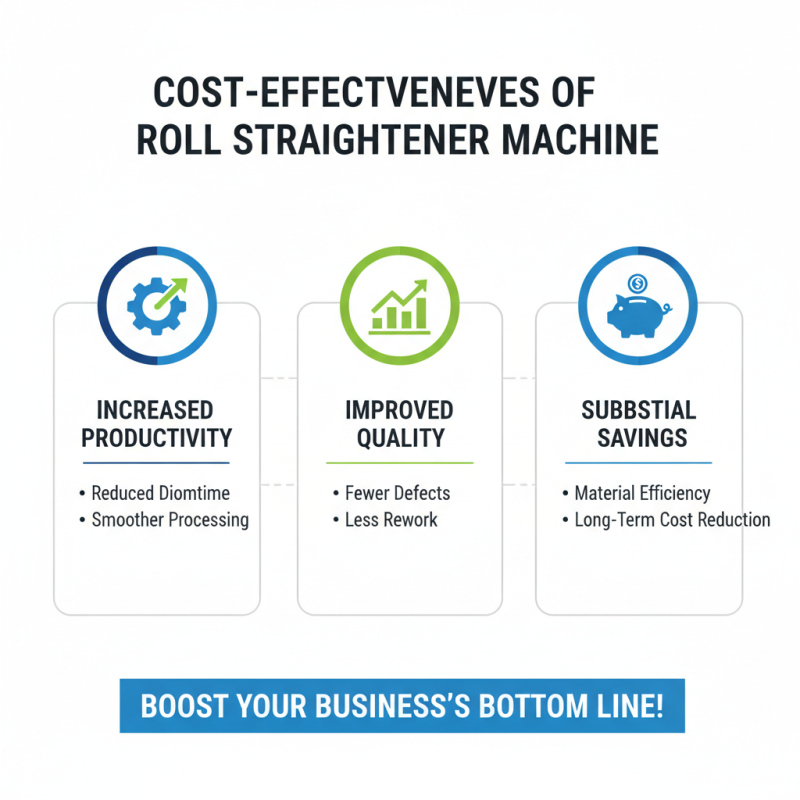
Investing in a roll straightener machine can significantly impact your business's bottom line. These machines are designed to enhance productivity by reducing downtime and improving output quality. When materials are processed smoothly, it leads to fewer defects and reworks. This efficiency can translate to considerable savings over time.

However, the initial cost of a roll straightener may seem daunting. It's essential to analyze the long-term benefits against upfront expenses. Maintenance and operational costs play a role too. Poorly straightened materials can lead to wasted resources, which can damage profit margins. Finding the right balance between investment and savings requires careful consideration.

While a roll straightener can lower costs and improve efficiency, it's not without challenges. Businesses must ensure proper training for operators to maximize the machine's potential. Additionally, attention to maintenance schedules is crucial. Overlooking these details can hinder the expected benefits. Thoughtful planning and execution are key to achieving the desired efficiencies.

Impact on Production Efficiency and Quality Control

A roll straightener machine is crucial for improving production efficiency in various industries. According to the Precision Metalforming Association, using a straightener can increase production speed by up to 30%. By ensuring that materials are uniformly straightened, businesses reduce downtime caused by material jams. This efficiency directly impacts overall output.

Quality control is another significant advantage of a roll straightener. A recent report from the International Journal of Production Research reveals that inconsistent material shapes can lead to a 15% increase in defects during manufacturing. When materials are straightened properly, companies experience fewer rework cycles and material wastage. It is clear that precision in input materials enhances the quality of final products.

However, businesses must consider that not all roll straightener machines provide the same level of performance. Some machines may falter in achieving ideal tolerances, suggesting a need for ongoing assessment. Regular maintenance and calibration are vital. Moreover, investing in advanced models can be cost-prohibitive, impacting budgetary constraints. These factors highlight the importance of careful evaluation before integrating a roll straightener into production processes.