

Scroll Top
4801 Bennett Rd. Toledo, Ohio 43612

China Top 10 Low Speed Electric Car Manufacturers?

China’s low-speed electric vehicle market is larger and more varied than many overseas buyers expect. Small city cars, neighborhood vehicles, utility carts, and compact delivery models serve different daily needs. This article examines China’s Top 10 Low Speed Electric Car manufacturers through practical industry criteria. These include battery quality, driving range, safety design, production experience, after-sales support, export readiness, and customization capability.

The ranking is not based on factory size alone. A polished showroom can hide weak service networks. A modest manufacturer may offer stronger components and better support. That difference matters.

Professor David Howey, an electric-vehicle battery specialist at the University of Oxford, has emphasized, “Battery performance is central to electric-vehicle reliability.” His point is especially relevant to low-speed models. A small vehicle may travel only 80 kilometers daily, yet poor battery management can reduce range, increase charging time, and shorten service life. Buyers should inspect battery chemistry, warranty terms, controller design, braking systems, and real-world testing records.

This guide also considers practical ownership details. Can the vehicle climb a local hill with two passengers? Does the cabin remain usable during heavy rain? Are replacement parts available outside China? These questions receive less attention than advertised speed.

The category is not perfect. Some specifications remain inconsistent across manufacturers. Certification information can also be difficult to compare. Therefore, this overview combines company records, product evidence, market reputation, and reasonable caution. The final list should support informed research, not replace local inspection or professional verification.
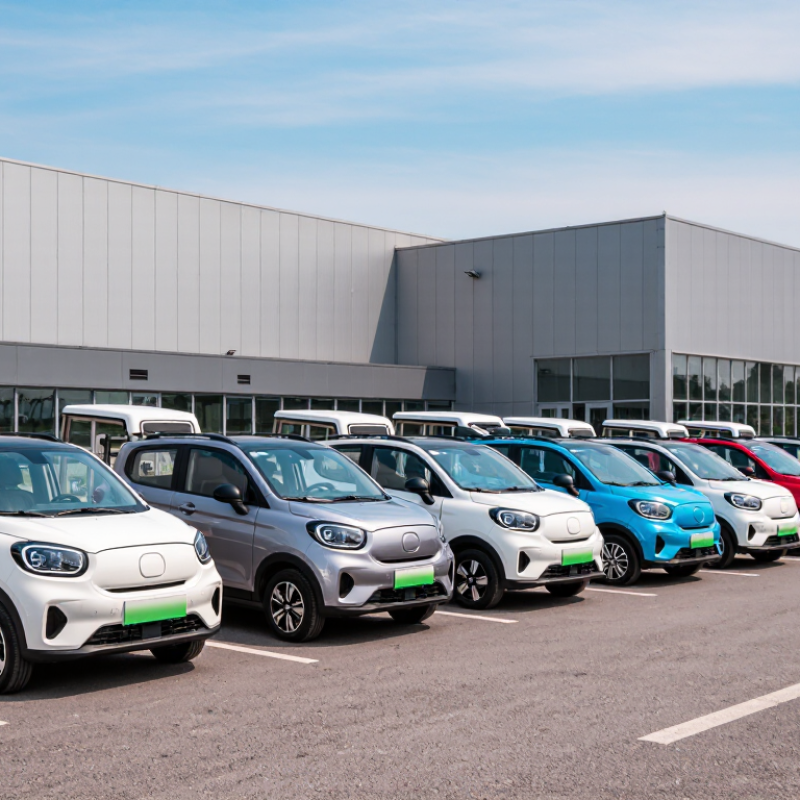
China Top 10 Low Speed Electric Car Manufacturers?

What Are Low-Speed Electric Cars and How Are They Classified in China?

Low-speed electric cars are compact four-wheel vehicles designed for short, local journeys. In China, people commonly use them on village roads, market trips, and residential streets. They usually have modest motors, limited range, and lower speeds than mainstream passenger cars. Many use lead-acid batteries, while newer models may use lithium batteries. This choice affects vehicle weight, charging time, purchase price, and maintenance needs. Think small, not simple.

The difficult point is classification. China does not use one universal label for every low-speed electric car. In practice, authorities may consider maximum speed, vehicle dimensions, curb weight, motor power, seating capacity, and battery type. Some vehicles may be managed under local mobility rules, while others may require formal vehicle certification and registration. These categories can differ between cities and provinces. A seller’s description is not enough. Classification can change by location.

Before buying, check the official product certificate and the local registration policy. Confirm whether public-road use, insurance, and a driving licence are required. A vehicle suitable for a private lane may not be permitted on public roads. During inspection, test braking on a dry surface, examine tyre wear, and measure charging time. Range claims deserve caution, especially during winter. I would not treat brochure figures as promises. The rules are evolving, and some market labels remain confusing even for careful buyers.

How Were China’s Top 10 Low-Speed Electric Car Manufacturers Selected?

Selecting China’s top 10 low-speed electric car manufacturers requires more than checking sales claims. We examine production records, product consistency, technical documentation, and years of market experience. Public registration data and independent industry reports provide the starting point. Factory visits or verified facility information add practical evidence. We also review battery management, braking systems, charging protection, and structural design.

Real-world usability matters. Test vehicles are assessed on short urban roads, uneven village lanes, and moderate slopes. We record driving range, charging time, cabin comfort, turning control, and performance with two occupants. After-sales support is another key measure. A dependable service network, accessible spare parts, clear warranty terms, and responsive technicians can matter more than a polished brochure. Customer interviews help reveal repeated faults that laboratory tests may miss.

The selection is not perfectly objective. Some manufacturers disclose detailed figures, while others provide limited information. That difference can affect their position. Therefore, we compare evidence from several sources instead of trusting one ranking. We also consider whether published range figures match ordinary driving conditions, including cold weather and frequent stops. Manufacturing capacity receives attention, but it does not automatically prove quality. A smaller producer may offer better inspection procedures, yet lack service coverage. These limitations deserve honest acknowledgement when identifying the final ten.

Who Are the Top 10 Low-Speed Electric Car Manufacturers in China?

China’s top 10 low-speed electric car manufacturers should be judged by evidence, not online popularity. A reliable shortlist should examine annual production, certified models, battery safety, factory capacity, dealer coverage, and after-sales support. However, China does not publish a single official ranking for this niche. The China Association of Automobile Manufacturers reported 12.89 million new-energy vehicles produced in 2024, but its figures do not separate low-speed vehicles clearly. This limitation matters.

The strongest manufacturers usually serve rural towns, industrial parks, campuses, and short-distance urban users. Their vehicles often feature compact bodies, 48V or 72V systems, simple dashboards, and practical charging layouts. Factory inspection records, national product catalogues, warranty terms, and battery traceability offer better proof than sales claims. The IEA’s Global EV Outlook 2024 also shows continued global electric-vehicle growth, yet low-speed models remain a separate, less transparent segment. Some rankings may therefore reflect search visibility, not real manufacturing strength.

Tips: Compare battery warranty length, charger protection, spare-part availability, and local repair response. Check certification records before ordering. Test the vehicle on uneven roads. A low purchase price can hide weak suspension, limited winter range, or expensive battery replacement. Reports from CAAM, the IEA, and official certification databases are useful, but none gives a perfect top-ten list. That gap deserves careful review.

China’s Low-Speed Electric Car Sector: 10 Common Specification Benchmarks

Industry reference figures commonly associated with China’s low-speed electric passenger vehicles. These values describe the market segment rather than ranking individual manufacturers or brands.

Chinese low-speed electric vehicles are generally designed for short-distance urban, suburban and community transportation. Specifications vary by model, battery chemistry, local regulations and intended use. The chart presents representative segment-level values, not official company rankings.

How Do These Manufacturers Compare in Design, Range, Safety, and Price?

China’s top ten low-speed electric car manufacturers differ sharply in design, range, safety, and price. Some focus on compact city cars with narrow bodies, round lamps, and simple dashboards. Others offer wider cabins, larger seats, and small luggage areas. These choices affect daily comfort more than glossy images suggest. A practical test should include door movement, steering response, seat support, and visibility at busy junctions.

Range claims require careful reading. Many models advertise about 80 to 200 kilometers per charge, but cold weather, extra passengers, hills, and heater use can reduce that figure. Battery chemistry also matters. Lithium batteries usually provide lower weight and longer service life, while lead-acid systems may keep the purchase price down. Real-world range is often less exciting. That is an important weakness in many comparisons.

Safety separates serious manufacturers from budget-focused producers. Buyers should check braking performance, lighting, seat-belt quality, body strength, battery protection, and available electronic assistance. Not every low-speed vehicle follows the same testing standards, so local approval rules must be verified before purchase. Prices commonly range from about 3,000 to 12,000 US dollars, depending on battery type, equipment, and export costs. A cheaper car may need earlier battery replacement or better tires. I would not rank price alone. A quiet motor and attractive screen cannot compensate for weak braking or limited service support.

What Should Buyers Consider Before Choosing a Chinese Low-Speed Electric Car?

China’s low-speed electric car market attracts buyers with compact bodies, simple controls, and lower purchase prices. Yet classification differs across provinces and export markets. China Association of Automobile Manufacturers reported over 12.8 million new-energy vehicle sales in 2024. That figure does not represent every low-speed model. Buyers must verify the vehicle’s legal category, permitted roads, registration rules, and speed limits before paying.

Battery quality deserves closer attention. Ask for the battery chemistry, rated capacity, charging time, and replacement cost. A small battery may suit short village trips, but winter temperatures can reduce practical range. The IEA reported that China remained the world’s largest electric-car market in 2023, with electric cars exceeding one-third of new car sales. This broad growth is encouraging, but it cannot guarantee every low-speed vehicle has strong testing or support. Some specifications look impressive on paper. Real use can be different.

Tips: Request a written warranty covering the battery, motor, controller, and charger. Check whether parts are stocked locally, not merely shipped from a distant warehouse. Test the car on slopes, uneven roads, and narrow turns. Listen for braking noise. Confirm the charger works with your home electricity supply. A low price can become expensive after one battery replacement. Also inspect welds, door alignment, lighting, seat belts, and corrosion protection. Independent inspection is worthwhile, even when the seller appears trustworthy.