

Scroll Top
4801 Bennett Rd. Toledo, Ohio 43612

China Top Piglets Nursery House Supplier?

Choosing a reliable China Top Piglets Nursery House Supplier requires more than comparing prices. A well-designed Piglets Nursery House supports piglet health, labor efficiency, and stable production. It should protect young animals from drafts, damp floors, overheating, and sudden temperature changes.

In practice, buyers should examine construction materials, insulation, ventilation, heating systems, drainage, and cleaning access. Galvanized steel frames, washable panels, non-slip flooring, and adjustable air inlets can improve daily management. A dependable supplier should provide drawings, technical specifications, installation guidance, and replacement support. Factory experience also matters. Ask for completed project photos, production details, and references from farms using similar housing systems.

Details reveal quality.

However, selecting a supplier is not always straightforward. A low quotation may exclude ventilation controls, electrical components, transport, or after-sales service. Some product claims may sound impressive but need independent verification. Buyers should confirm load capacity, environmental performance, warranty terms, and compliance with local farm requirements. No supplier is perfect, and even a strong design may require adjustment for climate, herd size, and management habits.

This guide examines practical factors behind reputable Chinese manufacturers. It considers product durability, engineering capability, communication, customization, and long-term service. The goal is not to promote one company without evidence. Instead, it helps farm owners build a clearer evaluation process before placing an order. A trustworthy Piglets Nursery House Supplier should deliver more than equipment; it should provide measurable support for safer, cleaner, and more consistent piglet production.
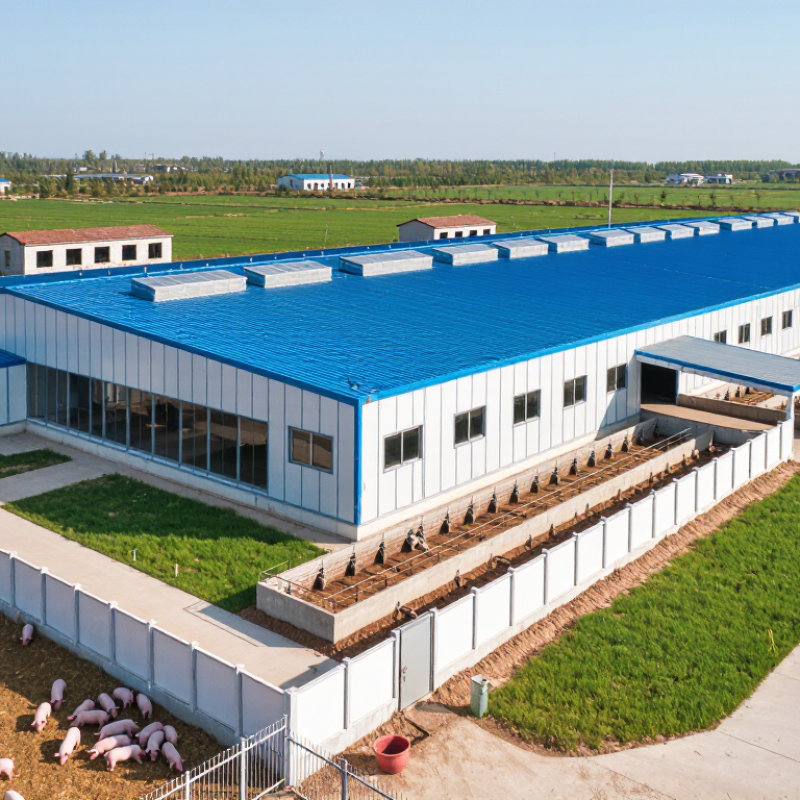
China Top Piglets Nursery House Supplier?

Piglet Nursery Houses: Purpose, Design, and Production Standards

China Top Piglets Nursery House Supplier?

Piglet nursery houses protect young pigs during their most sensitive growth stage. They control temperature, humidity, airflow, hygiene, and daily observation. A well-designed house reduces chilling, heat stress, respiratory problems, and unnecessary feed losses.

Effective designs usually include insulated wall panels, sealed joints, washable floors, and reliable drainage. Ventilation should remove moisture without creating cold drafts at piglet level. Adjustable air inlets help workers respond to changing weather. Heating zones can keep resting areas near 28–32°C, depending on piglet age and farm conditions. The floor should provide traction, but rough surfaces may injure small feet. Small details matter.

Production standards should cover material thickness, welding quality, panel strength, door safety, and dimensional accuracy. Manufacturers should inspect incoming materials and test finished structures before shipment. Clear records improve traceability and make future repairs easier. Applicable livestock, electrical, fire, and building requirements must also be checked for the installation location. Factory experience helps, but it cannot replace site-specific engineering.

A practical supplier should provide drawings, ventilation guidance, cleaning instructions, and installation support. Workers need accessible inspection points and smooth internal surfaces. I have seen attractive houses fail because drainage was poorly planned. This is an easy mistake to overlook. Design reviews should include farm staff, not only engineers. Their daily observations often reveal problems that drawings cannot show.

Piglet Nursery House: Recommended Temperature by Post-Weaning Week

Newly weaned piglets require warmer conditions, while older nursery pigs perform well at progressively lower temperatures. These representative design targets are commonly used for nursery-house climate planning; actual settings should be adjusted according to piglet body weight, health, flooring, stocking density, and ventilation.

Key Features of a High-Quality Piglet Nursery House

China Top Piglets Nursery House Supplier?

Key Features of a High-Quality Piglet Nursery House

A high-quality piglet nursery house protects young pigs during their most sensitive growth stage. In practical farm work, stable temperature matters more than impressive appearance. Well-sealed walls reduce cold drafts, while adjustable ventilation removes moisture, dust, and harmful gases. The house should also provide even airflow without blowing directly onto piglets. Insulated roofing helps control heat during summer and conserve warmth during colder periods.

Good flooring is essential. Smooth, non-slip surfaces protect small feet and support easy cleaning. However, completely smooth floors can become dangerous when wet. Drainage channels should remove waste quickly without leaving puddles. Strong partitions, rounded edges, and secure doors reduce injuries during daily handling. Reliable temperature sensors are useful, but staff should still check piglet behavior. Technology can fail.

Tips: Keep the resting area warm and dry. Check corners every day. Replace damaged panels early. Test fans before stocking the house. Record temperature changes, cleaning times, and unusual piglet behavior.

When comparing a supplier in China, request detailed drawings, material specifications, ventilation plans, and installation guidance. Ask how the structure performs in humid, cold, or hot climates. Experienced suppliers should explain cleaning access, spare parts, and maintenance routines clearly. Do not judge quality by price alone. A cheaper house may require more repairs later. Even careful planning has weaknesses, so inspect a sample unit before placing a large order.

How to Evaluate Chinese Piglet Nursery House Suppliers

China Top Piglets Nursery House Supplier?

How to Evaluate Chinese Piglet Nursery House Suppliers

China’s scale makes supplier evaluation important. The USDA Foreign Agricultural Service estimated China’s 2024 pork production at about 57 million metric tons. That volume creates strong manufacturing experience, but capacity alone proves little. A reliable piglet nursery house supplier should provide drawings, material specifications, ventilation calculations, and installation records. Check galvanized steel thickness, floor load ratings, insulation density, drainage slope, and feeder access. Ask for test reports from independent laboratories. Photos are not enough.

Tips: Request two operating-farm references. Inspect one site if possible. Compare warranty exclusions, spare-part lead times, and commissioning support. Measure the sample frame yourself. Small details matter.

Ventilation deserves careful attention. The American Society of Agricultural and Biological Engineers recommends evaluating air movement, temperature, humidity, and contaminant control together. A nursery design with powerful fans can still create drafts at piglet level. Ask the supplier for winter minimum ventilation, summer airflow, inlet velocity, and alarm settings. The National Pork Board’s production guidance also links stable nursery conditions with feed intake and health management. These are operating outcomes, not merely construction features.

A common evaluation mistake is choosing the lowest quotation first. I have seen specifications become vague after payment discussions. Require a line-by-line quotation and approve every change in writing. Verify weld quality, electrical protection, cleaning access, and local service ability. A supplier may offer a polished factory tour, yet weak after-sales response. That risk deserves a price, not an assumption.

China Top Piglets Nursery House Supplier? - How to Evaluate Chinese Piglet Nursery House Suppliers

Evaluation Dimension Measurable Requirement Practical Acceptance Benchmark Evidence to Request Weight Score
(0–5)
Nursery Environment Design The house should support stable temperature, low drafts, adequate ventilation, and easy cleaning. Design includes insulated panels, controllable air inlets, exhaust ventilation, washable surfaces, and clear airflow calculations. Layout drawings, airflow calculations, insulation specifications, and project photographs. 15% —
Temperature Control Temperature control must be suitable for piglets at different ages and weights. The supplier provides adjustable heating zones, temperature sensors, alarm settings, and a documented control range. Newborn piglets generally require warmer conditions than older nursery pigs. Controller manual, sensor accuracy data, heating-load calculation, and commissioning procedure. 12% —
Ventilation and Air Quality Ventilation must remove moisture, dust, and harmful gases without creating cold drafts. System includes variable-speed fans or equivalent control, fresh-air inlets, emergency ventilation, and measurable alarm limits for temperature and ventilation failure. Fan curves, ventilation schedule, alarm test record, and air-quality commissioning report. 14% —
Flooring and Pen Equipment Flooring and partitions should protect piglet feet, support drainage, and resist repeated washing and disinfection. Materials are corrosion-resistant, non-sharp, slip-resistant when wet, and compatible with the planned manure-removal system. Material certificates, load-rating data, drainage details, and sample inspection photographs. 12% —
Feed and Drinking System Feeders and drinkers must provide reliable access while minimizing waste and contamination. Equipment is adjustable for piglet size, easy to clean, resistant to corrosion, and supplied with flow-rate and installation guidance. Equipment drawings, water-flow test results, cleaning instructions, and spare-parts list. 8% —
Biosecurity and Hygiene The layout should support all-in/all-out operation, separation of clean and dirty routes, and effective disinfection. Smooth washable surfaces, controlled access, dedicated service areas, drainage planning, and documented cleaning procedures are provided. Biosecurity layout, cleaning protocol, drainage plan, and material-cleanability information. 12% —
Structural and Fire Safety The building envelope and supporting structure must be suitable for local wind, snow, rain, seismic, and fire conditions. Engineering calculations use the project location and applicable local building requirements; emergency exits and electrical protection are clearly defined. Stamped structural drawings where required, material specifications, fire-performance information, and electrical diagrams. 10% —
Manufacturing Quality Control The supplier should control incoming materials, fabrication accuracy, welding, coating, assembly, and final inspection. Written inspection checkpoints, traceable material records, dimensional checks, and a documented pre-shipment inspection process are available. Quality manual, inspection checklist, sample test reports, production photographs, and nonconformity records. 8% —
Installation and Commissioning The project should include installation guidance, system testing, operator training, and handover documentation. Scope clearly states installation responsibility, testing procedures, training hours, acceptance criteria, and completion records. Installation method statement, commissioning checklist, training plan, and site-acceptance template. 5% —
After-Sales Service and Spares Critical replacement parts and technical support should remain available throughout the expected service life. Warranty terms, response times, spare-parts availability, remote troubleshooting, and escalation procedures are written into the contract. Warranty document, spare-parts catalogue, service-level commitment, and maintenance schedule. 4% —
Total Evaluation Weight 100% —
Scoring guide: 0 = no verifiable evidence; 1 = major deficiencies; 2 = partially compliant; 3 = acceptable; 4 = strong and well documented; 5 = excellent, independently verified, and contractually committed.

Materials, Equipment, and Customization Options

China Top Piglets Nursery House Supplier?

A reliable supplier should explain materials, equipment, and customization clearly. Galvanized steel frames resist moisture and daily washing. Sandwich panels help control temperature, while smooth interior surfaces reduce dirt buildup. Insulation thickness should match the local climate, not just a standard quotation. Safety starts here.

A practical nursery house needs adjustable ventilation, gentle heating, and stable lighting. Fans should provide even airflow without creating drafts near young piglets. Heating plates or lamps must be positioned safely and controlled accurately.

Feeding systems can include stainless steel troughs, automatic feeders, or simple manual units. Drainage deserves attention. Poor floor slopes can leave water near resting areas.

Customization may cover house dimensions, pen layouts, flooring, insulation, ventilation, and electrical placement. An experienced supplier should provide drawings, material specifications, installation guidance, and replacement-part information. Ask for load calculations and test records where applicable. Inspect welds, panel joints, doors, and drainage channels before shipment. Details matter.

A lower price can hide thinner panels or weaker fittings. That choice varies. Some suppliers promise complete customization but offer limited engineering support. Buyers should confirm production tolerances and after-sales response times in writing. We have seen designs that looked efficient but made cleaning difficult. A second review by farm workers can reveal these practical mistakes before construction begins.

Installation, Quality Control, and After-Sales Support

A reliable piglet nursery house supplier should support the project beyond product delivery. Experienced engineers can review farm layout, local climate, drainage, ventilation, and piglet flow before production begins. Clear installation drawings reduce mistakes on site. Fit matters. Small errors grow.

During installation, trained technicians should check frame alignment, floor slope, pen spacing, heating lines, and ventilation openings. Each inspection should be recorded with photos and measurable data.

Quality control must cover steel thickness, welding points, surface treatment, panel insulation, and electrical safety. Materials should match approved specifications, not only appearance. A practical supplier also provides operating instructions and maintenance schedules in clear language.

After commissioning, support should remain available through responsive communication and documented troubleshooting. Remote guidance can help staff adjust air speed, temperature, and humidity during the first weeks. On-site service may be necessary when equipment behaves differently under real farm conditions. That gap matters. Even a well-designed nursery house may need adjustment after installation because weather, water pressure, or building dimensions vary. Suppliers should explain limitations honestly and recommend corrective steps without hiding defects. Spare parts should have clear identification, reasonable availability, and installation guidance. Regular follow-up visits or video inspections can reveal loose fittings, blocked inlets, and uneven heating before piglet comfort declines. Reliable support is proven through records, practical advice, and actions that protect daily operation.