

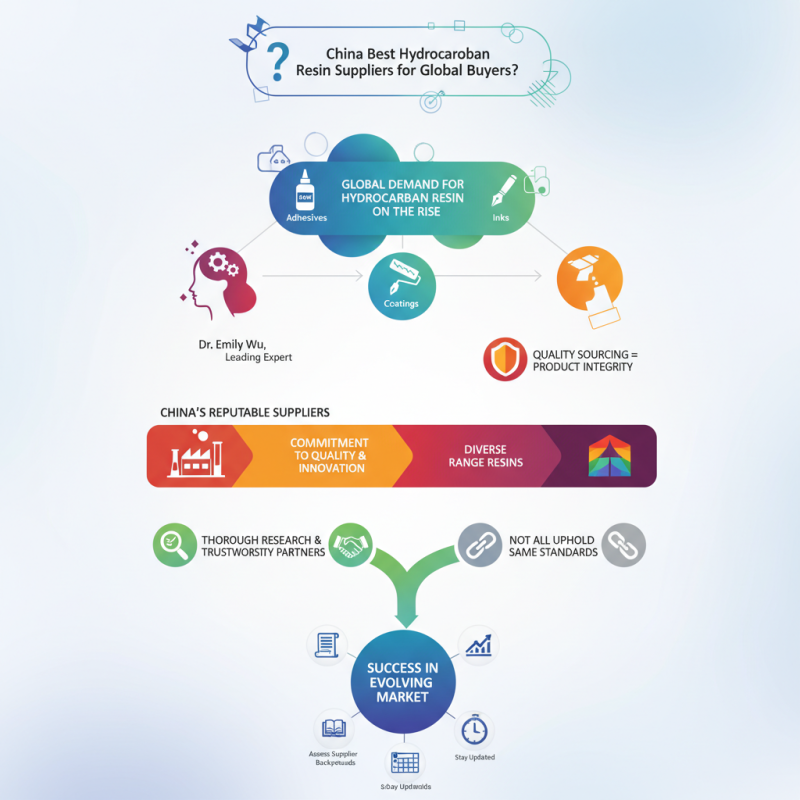
The global demand for Hydrocarbon Resin is on the rise. This versatile material is essential in various industries, including adhesives, coatings, and inks. According to Dr. Emily Wu, a leading expert in the Hydrocarbon Resin sector, "Quality sourcing of Hydrocarbon Resins can make or break product integrity." Her insights highlight the significance of selecting reliable suppliers.
China boasts a number of reputable Hydrocarbon Resin suppliers. These companies stand out for their commitment to quality and innovation. They offer a diverse range of resins that cater to different industry needs. However, not all suppliers uphold the same standards. Buyers must conduct thorough research to ensure they partner with trustworthy sources.
Navigating the Hydrocarbon Resin market requires knowledge and diligence. It's crucial to assess supplier backgrounds and product offerings. This due diligence minimizes risks and enhances product performance. As the market evolves, staying updated on supplier reputation and product advancements is vital for success.
Hydrocarbon resins are versatile materials derived from petroleum. They are used in a variety of applications, including adhesives, coatings, and inks. These resins possess excellent thermal stability and adhesive properties. Their low viscosity helps in easy application during production processes.
In the adhesive industry, hydrocarbon resins enhance bonding strength. They improve the flexibility and durability of adhesives. Their role in printing inks is equally important. These resins provide better pigment dispersion and drying speed. This leads to high-quality prints that withstand various environmental conditions.
Despite their many benefits, there are challenges. The sourcing of quality resins remains inconsistent. Buyers often encounter variations in performance. This highlights the importance of selecting reliable suppliers. Engaging with knowledgeable suppliers is crucial for ensuring consistent quality and application performance.
When selecting hydrocarbon resin suppliers, specific characteristics are vital to ensure quality and reliability. Buyers should focus on suppliers with proven industry experience. According to a recent industry report, suppliers with over ten years in the market demonstrate superior product consistency. These companies often invest in advanced manufacturing processes, enhancing the resin's performance and variety.
Another crucial aspect is compliance with international quality standards. Suppliers often seek certifications like ISO 9001 to validate their production processes. This certification indicates adherence to quality management systems. Furthermore, understanding the supplier's sourcing and production transparency is essential. Reports indicate that a transparent supply chain reduces the risk of contamination and promotes sustainability.
Lastly, evaluating customer support capabilities can significantly impact the buying experience. A responsive supplier often addresses inquiries swiftly, providing critical information about product specifications. These interactions can reveal their expertise and commitment to customer satisfaction. In a market with fluctuating demand, reliable support fosters trust.
Selecting the right supplier based on these characteristics can lead to forming long-term partnerships, benefiting both parties.
China has emerged as a significant player in the hydrocarbon resin market. Its suppliers offer a range of products that cater to global buyers' diverse needs. This analysis focuses on leading players in this sector. The competition is fierce, and each supplier brings unique strengths to the table.
One key aspect to consider is the quality of the resins. High-quality hydrocarbon resins are essential for various applications, including adhesives and coatings. When evaluating suppliers, look for those with established quality control systems. This will ensure the products meet industry standards.
**Tip:** Always request samples before placing large orders. This gives insight into the material's performance and compatibility with your applications.
Another crucial factor is supplier reliability. Timely delivery is vital to maintaining production schedules. Research potential suppliers’ track records. Look for reviews and testimonials from other buyers to gauge reliability.
**Tip:** Establish clear communication with suppliers. This helps set expectations and minimizes misunderstandings about orders.
Finally, pricing is an important consideration. While it may be tempting to go for the lowest price, consider the total cost of ownership, including delivery fees and possible delays. Ultimately, the right supplier balances quality, reliability, and competitive pricing.
In evaluating Chinese hydrocarbon resin suppliers, it is essential to consider their supply chain efficiency. Many Chinese suppliers have streamlined processes. This allows for quicker turnaround times and reduced logistics costs. However, this speed often comes with questions about quality and consistency. Buyers must conduct thorough assessments to ensure product standards meet their needs.
Comparatively, global competitors often emphasize quality assurance. They invest significantly in research and development. This can lead to more innovative products. Yet, their prices may be higher than those from China. Buyers face a dilemma between cost-effectiveness and quality. Engaging in open dialogues with suppliers can clarify these aspects.
Additionally, navigating the regulatory landscape poses challenges. Some regions impose strict compliance requirements. Chinese suppliers are improving in this area, but gaps remain. Reliable partnerships often depend on transparency and communication. Buyers should weigh the benefits of lower costs against potential risks in quality and compliance.
China's hydrocarbon resin industry is experiencing significant growth driven by evolving market demands. In 2022, the global hydrocarbon resin market reached a value of approximately $4.5 billion, with China accounting for a substantial share. The country is leveraging its technical expertise to enhance production efficiency. Innovative manufacturing processes are emerging, focusing on high-performance resins that meet stringent environmental standards.
Recent trends indicate a shift towards bio-based hydrocarbon resins, which align with global sustainability efforts. A report from Market Research Future states that the bio-based hydrocarbon resin segment could grow at a CAGR of over 10% from 2023 to 2030. This reflects a growing demand for eco-friendly alternatives in adhesives, coatings, and sealants. Yet, challenges remain in balancing cost and sustainability.
Industry players are investing in R&D to create specialized resins tailored for specific applications. For instance, tailored grades for the automotive and electronics sectors are becoming more prevalent. However, the fast-paced innovation environment presents hurdles in maintaining product consistency and quality. Continuous monitoring and refinement of production methods are essential to meet global standards.
| Supplier Type | Production Capacity (tons/year) | Export Percentage (%) | Main Application Areas | Innovative Technologies |
|---|---|---|---|---|
| Manufacturer A | 50,000 | 75 | Adhesives, Coatings | High-performance grades |
| Manufacturer B | 30,000 | 60 | Plastics, Coatings | Eco-friendly processes |
| Manufacturer C | 40,000 | 80 | Inks, Adhesives | Advanced polymerization methods |
| Manufacturer D | 25,000 | 50 | Rubber, Coatings | Modified resins |
| Manufacturer E | 35,000 | 70 | Adhesives, Sealants | Sustainable materials |
