
The quest for high-quality dispersion solutions often leads businesses to the three roll mill machine. This essential equipment is widely recognized for its ability to achieve uniform mixing. Numerous industries rely on its efficiency and precision in processing various materials. However, selecting the best three roll mill can be challenging.
At the upcoming 139th Canton Fair, manufacturers and suppliers will showcase innovations in this field. Attendees can explore advanced techniques in manufacturing and dispersion solutions. The integration of AI features will enhance the experience. Buyers can quickly identify qualified suppliers, improving their selection process. This is crucial since quality impacts production.
Yet, there are potential pitfalls to consider. Not all machines are created equal. Some may lack certification, affecting trustworthiness. Businesses must conduct thorough research and weigh their options. The right three roll mill machine can significantly influence product quality and operational efficiency. As technology advances, so does the responsibility of companies to ensure they invest wisely.
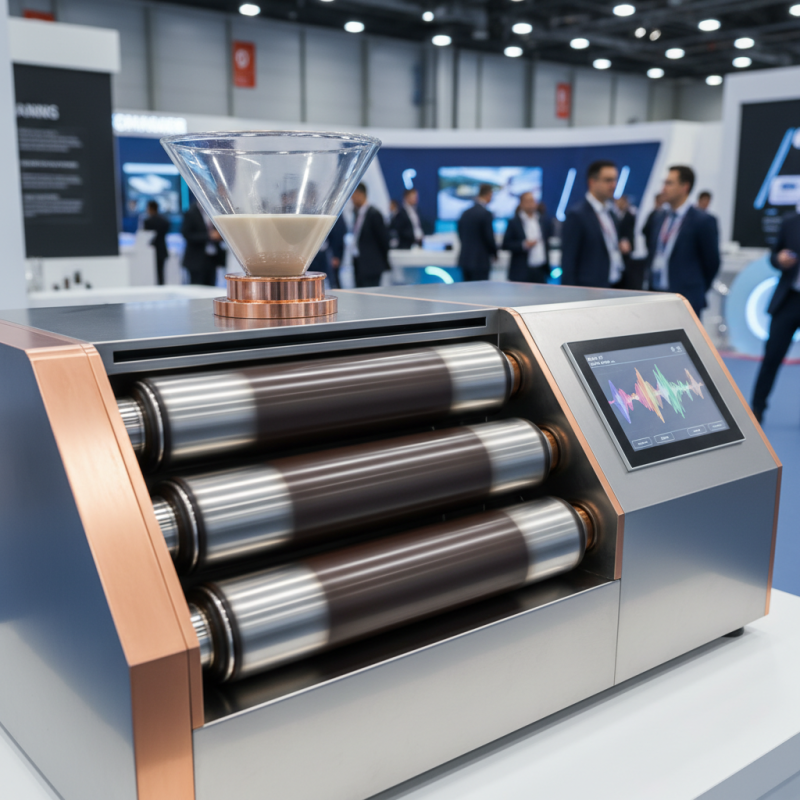
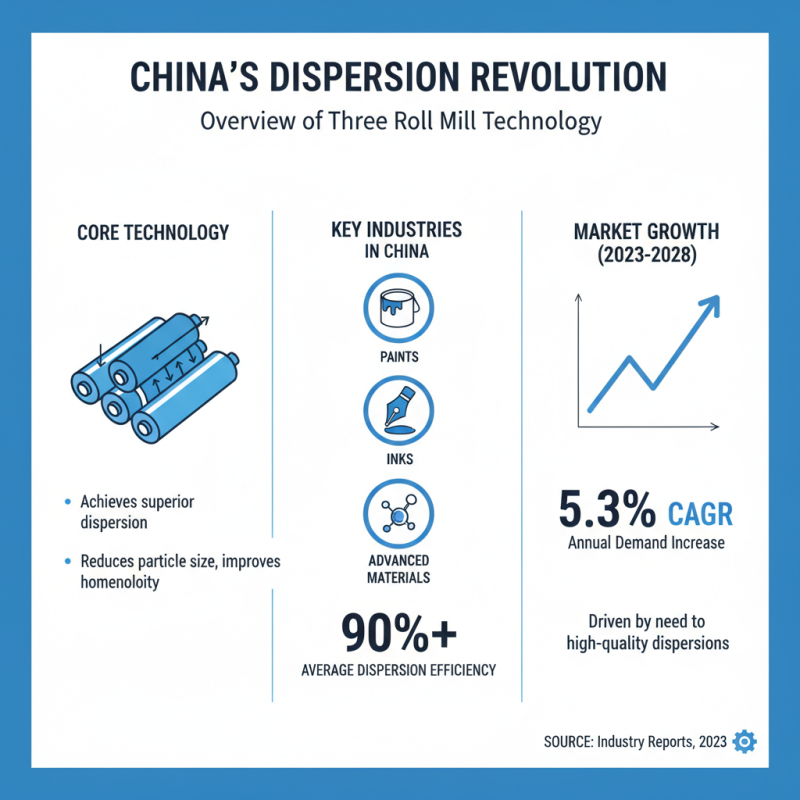
Three roll mills play a vital role in achieving high-quality dispersion solutions in numerous industries. This technology is particularly significant in manufacturing paints, inks, and advanced materials. In China, these mills are gaining ground; they offer an average dispersion efficiency of over 90%. This efficiency translates into finer particle sizes and better homogeneity. According to industry reports, the demand for high-quality dispersions will increase by 5.3% annually through 2028.
Despite the advancements, challenges remain. Many operators struggle with optimizing parameters for different formulations. The learning curve can be steep. A recent survey indicated that 45% of manufacturers reported issues with maintaining consistent product quality. In addition, training for operators is often inadequate. Attention to detail is critical for maximizing performance, yet many overlook this aspect.
Moreover, the environmental impact of three roll mills requires consideration. Although energy-efficient models exist, many facilities still operate outdated machines. Transitioning to more sustainable technologies could reduce energy consumption by up to 30%. Manufacturers must reflect on these shortcomings. Investing in technology is not just about production; it's about responsible growth.
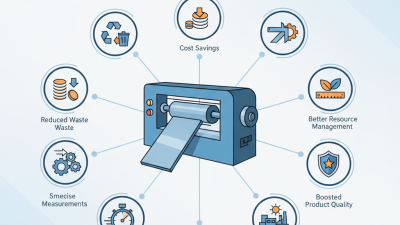
High-quality three roll mills are essential for achieving optimal dispersion in various industries. These machines excel at reducing particle size and enhancing product uniformity. A well-functioning three roll mill can improve processing efficiency by up to 30%. This efficiency is crucial in fields like cosmetics, pharmaceuticals, and food processing.
Key features of a high-quality three roll mill include adjustable roll clearance and temperature control. These features allow operators to customize the milling process precisely. Temperature control is vital for materials sensitive to heat. Additionally, robust construction ensures durability and longevity, which affects cost-efficiency over time.
Tips: Regular maintenance can extend the lifespan of your equipment. Keep the rolls clean to maintain product quality. Always monitor the dispersion quality during production. Small adjustments can lead to significant improvements in your final product. Investing in high-quality three roll mills may seem costly, but the return on investment through improved product quality can be substantial.
Three roll mill machines play a crucial role in many industries. These machines are widely used for dispersing materials to attain a uniform consistency. Common applications include paint manufacturing, cosmetics, and food processing. Each of these sectors relies on quality dispersions to deliver effective products.
In the paint industry, three roll mills enhance pigment dispersion. This process significantly impacts the color richness and texture of the paint. In cosmetics, the machines ensure that creams and lotions are smooth. However, achieving the right consistency can be challenging. Sometimes, the machines do not fully break down larger particles. Adjustments in speed or gap settings may be required to improve results.
Food processing also benefits from these machines. They help in refining sauces and dressings, making them more appealing. But, controlling temperatures is essential during this process. High heat may alter flavors, an issue manufacturers must address. Balancing efficiency and quality is a constant challenge in using three roll mills across different applications.
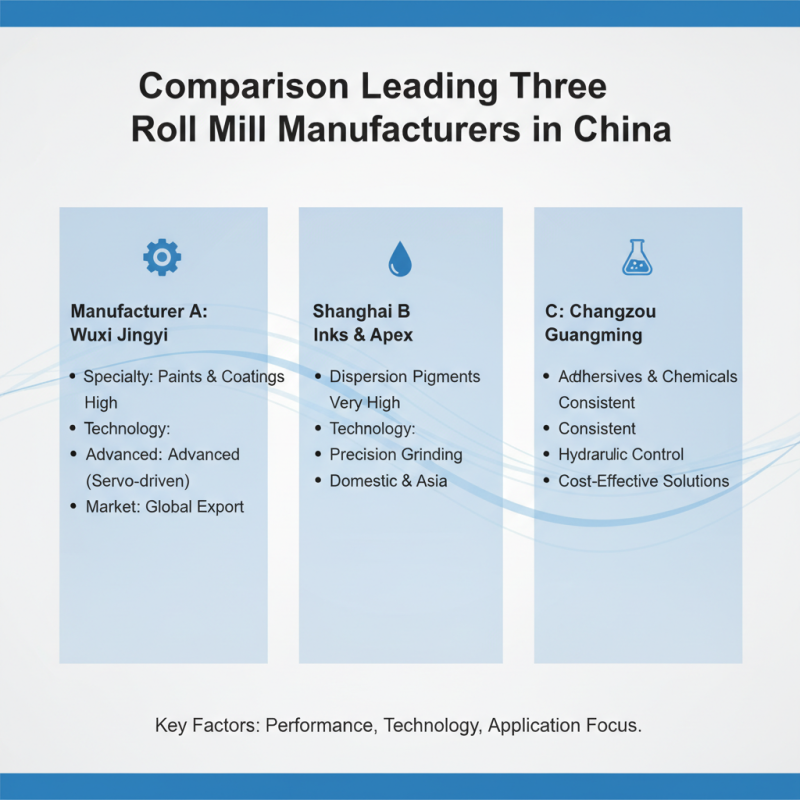
When searching for a top three roll mill in China, it's essential to compare leading manufacturers. The performance of these machines greatly affects the quality of dispersion in various industries, such as paints, coatings, and inks.
Leading manufacturers offer a range of features. Some machines excel in speed, while others focus on precision. Many companies emphasize user-friendly designs to ensure smooth operation. However, it's worth noting that not all models provide consistent results. This inconsistency can lead to challenging production processes.
Tips: Always check customer reviews. Real user experiences provide insights that specifications do not. Reach out to manufacturers for detailed product demos. This will help you understand the machine's capabilities better.
Another consideration is the availability of technical support. Some companies may promise great performance but lack proper after-sales services. This can result in long downtimes, negatively impacting production.
In conclusion, selecting the best three roll mill involves careful consideration of multiple factors, including features, support, and practical usage. Remember, not all leading brands guarantee the best performance.
Maintaining a three roll mill is crucial for optimal performance and quality. Regular inspections are key. Check for wear and tear on the rolls. Any uneven surfaces can hinder efficiency. Clean the machine thoroughly after each use. Residue buildup can affect future runs and lead to poor dispersion quality.
Temperature control is another important aspect. If the mill overheats, it can change the properties of the material being processed. Monitor the temperature closely. You can use cooling systems to manage heat effectively. Adjusting roller speed is also necessary. Too fast can lead to inconsistent results, while too slow may not achieve the desired dispersion.
Proper lubrication is vital. Without it, friction increases, and the machine can suffer. Use the right type of lubricant for your specific machine. Don't overlook this step. Regularly replace parts that show signs of wear. It’s easy to put off, but this can lead to bigger issues down the road. Each component plays a role in ensuring the mill operates smoothly. Neglecting any part could lead to costly downtime.
| Dimension | Specification | Performance Metric | Maintenance Tips |
|---|---|---|---|
| Roller Diameter | 150 mm | Optimal Grinding Quality | Ensure proper lubrication |
| Roller Width | 400 mm | Consistent Product Quality | Check alignment regularly |
| Roller Speed | 5-25 RPM | Efficiency in Dispersion | Monitor speed regularly |
| Power Consumption | 5 kW | Cost-Effectiveness | Inspect electrical systems |
| Weight | 1000 kg | Stability during operation | Secure mounting |