

Scroll Top
4801 Bennett Rd. Toledo, Ohio 43612

What is a Check Valve and How Does it Work?

A Check Valve is a crucial component in various fluid systems. It allows fluid to flow in one direction while preventing backflow. This is vital in many applications. Understanding how a Check Valve works helps in selecting the right one for your needs.

Check Valves are used in plumbing, industrial systems, and water treatment plants. They come in different designs, like spring-loaded or swing-type. Knowing which type to choose can be challenging. Each type has its benefits and drawbacks.

Working with a Check Valve may seem simple. However, proper installation and maintenance are key to ensuring reliability. Regular checks can prevent potential failures. Awareness of these aspects can enhance your system's efficiency.
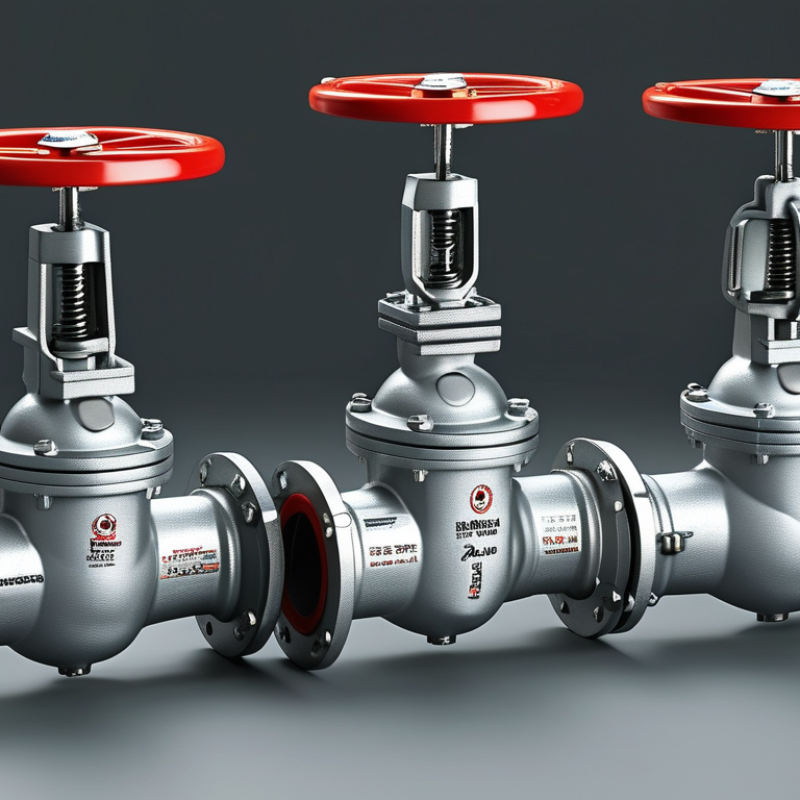
What is a Check Valve and How Does it Work?

What is a Check Valve?

A check valve is a crucial component in various piping systems. It allows fluid to flow in one direction while preventing backflow. This mechanism is vital in industries like water supply, oil production, and chemical processing. When the fluid pushes the valve open, it flows freely. However, if the pressure changes or reverses, the valve closes automatically to stop backflow. This simple yet effective design ensures system efficiency.

Tips for Using Check Valves: Ensure proper sizing for your application. An oversized valve can lead to inefficiencies. An undersized valve may not prevent backflow effectively. Regular maintenance is essential to keep the valve functioning well.

In some cases, check valves may fail due to debris or wear. Regular inspection helps you catch these issues early. If the valve fails, it can lead to costly system leaks or fluid contamination. Understand the operating conditions and choose a suitable material to prevent corrosion. Being proactive can save time and money in the long run.

The Purpose and Importance of Check Valves

Check valves play a crucial role in various fluid systems. Their main purpose is to prevent backflow. Backflow can cause significant damage to pipelines and equipment. According to a report by the American Society of Civil Engineers, backflow incidents contribute to 23% of water system failures. This statistic underlines the significance of using reliable check valves in water management systems.

The importance of check valves extends beyond water systems. They are essential in industries ranging from oil and gas to pharmaceuticals. For instance, a survey by the International Association of Oil & Gas Producers highlighted that improper valve functioning can lead to operational inefficiencies, costing companies millions annually. Check valves ensure the direction of flow is maintained, safeguarding the integrity of operations.

However, not all check valves are created equal. Their effectiveness can vary based on design and application. Some may experience failures due to wear and tear, leading to overlooked maintenance issues. End users sometimes underestimate the impact of this on system performance. Regular assessments are necessary to ensure reliability. Understanding these nuances is vital for optimal operation in any sector utilizing check valves.

How Check Valves Operate Mechanically

Check valves are crucial components in various fluid systems. They prevent backflow and ensure the fluid flows in one direction. How do they work mechanically? The design primarily consists of a disc or ball that moves to open or close the flow path. When the fluid flows in the intended direction, it pushes the disc or ball away from the seat, allowing passage. If the flow reverses, the disc or ball repositions, sealing off the opening.

The mechanics of check valves can vary. Some use a spring-loaded mechanism for faster response. Others, like swing check valves, feature a hinged disc. The material and design impact reliability and efficiency. In some cases, wear can lead to leaks. Regular maintenance is necessary to uphold performance. Choosing the right valve for your application can be challenging. Consider factors like fluid type, pressure, and temperature. A poor choice can lead to problems, such as water hammer effects. Understanding these details can make a difference in operation.

Types of Check Valves and Their Applications

Check valves play a crucial role in various industries by preventing backflow. There are several types of check valves, each suited for specific applications. The most common types include swing check valves, lift check valves, and ball check valves.

Swing check valves are widely used in water and wastewater treatment plants. They effectively close when flow reverses. Reports indicate that swing check valves account for over 30% of the check valve market due to their reliability. In contrast, lift check valves are often found in high-pressure applications. They can maintain their sealing capability under dynamic pressure changes. Nonetheless, they require more maintenance than swing types, reflecting their complexity.

Ball check valves are increasingly popular in petroleum and chemical industries. They offer a tight seal with minimal leakage. While efficient, they can be prone to wear and tear over time. Exploring these differences is important. Choosing the wrong type can lead to inefficiencies and costly repairs. Each type has its pros and cons, highlighting the necessity of careful selection based on specific needs.

Common Issues and Maintenance Tips for Check Valves

Check valves are essential in plumbing and fluid systems. However, they can face issues that disrupt their function. One common problem is debris accumulation. This can block the valve, preventing it from closing properly. Regular inspection helps identify such obstructions. It's wise to schedule routine cleaning to avoid buildup.

Another frequent issue is wear and tear. Over time, the seal might deteriorate. This can lead to leaks and reduced efficiency. A check valve that leaks can cause significant losses in pressure. Replace the seal promptly to maintain performance. Look for signs of corrosion, as this can also compromise the valve's integrity.

Maintenance plays a crucial role in a check valve's lifespan. Proper lubrication can enhance movement and prevent sticking. Additionally, monitoring valve operation frequently can help catch issues early. Inspect for signs of vibration or noise, which might indicate failing components. Investing time in regular maintenance assures reliable function and efficiency.

Article Source: