

When it comes to Chocolate expiration, many people remain uncertain. Understanding when chocolate goes bad is essential for both safety and taste. Dr. Emily Voss, a food science expert, emphasizes, “Chocolate can still be safe to eat after the expiration date, but quality matters.” This highlights a critical point: while chocolate may seem fine, its texture and flavor could change over time.
Chocolate's rich aroma and smooth texture are its hallmarks. However, these elements might fade beyond the expiration date. Inspecting chocolate for signs such as dullness or white streaks can reveal its condition. Some may find a slight chalkiness on the surface. This occurs when cocoa butter rises to the top and can affect taste.
It’s crucial to remain discerning. Trusting appearance alone isn't enough. Quality chocolate should evoke indulgence. If it feels off or smells rancid, it might be best to discard it. Reflecting on chocolate expiration can improve your choices. Enjoying chocolate means respecting its lifespan and ensuring it brings joy, not disappointment.
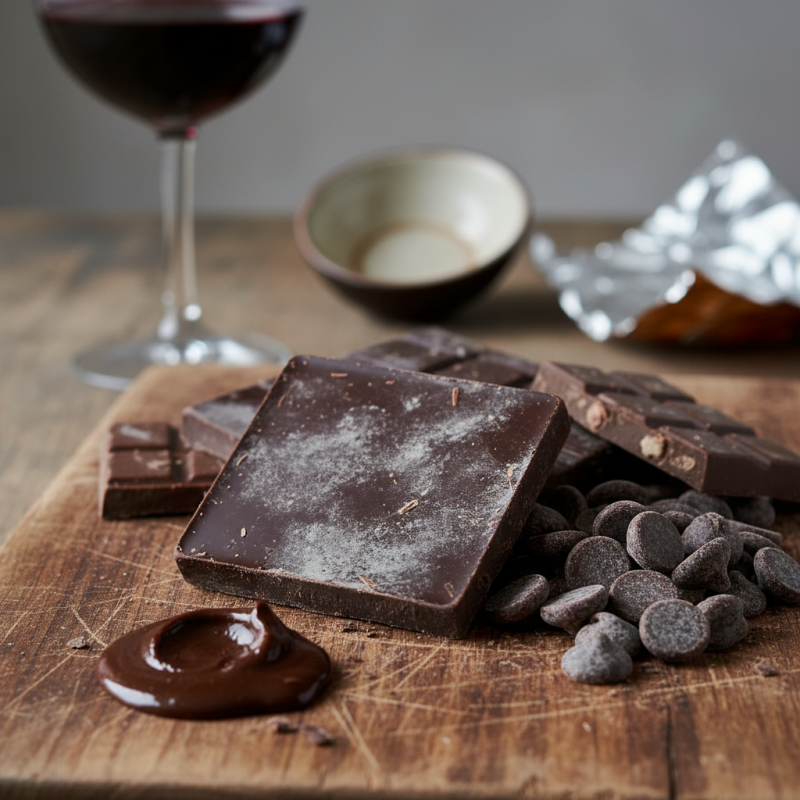
When checking if chocolate is still good, visual cues play a vital role. Start by examining the surface. Look for any discoloration or white spots. These often indicate a phenomenon called bloom. It's not harmful, but it can alter the chocolate's taste and texture.
Next, consider cracks or a dull appearance. Fresh chocolate should be shiny and smooth. If it appears dull or has a dry texture, it might be past its prime. Pay attention to any unusual smells as well. Chocolate should have a rich, inviting scent. A rancid odor might signal that it has gone bad.
Lastly, inspect for any signs of mold. While rare, mold can develop, especially if chocolate has been improperly stored. If you see any fuzz or discolored spots, it's best to discard that chocolate. Even if the chocolate looks fine, trust your instincts. A bad experience with expired chocolate can ruin a sweet craving.
Chocolate has a shelf life that varies based on its type and storage conditions. Dark chocolate typically lasts two to three years, while milk chocolate has a shelf life of about one year. White chocolate is the least durable, lasting around six months. According to industry reports, storage can significantly affect its freshness. Chocolate should be kept in a cool, dry place, ideally between 65°F and 70°F.
Humidity can lead to bloom, where the surface becomes whitish due to sugar or fat crystallization. While bloomed chocolate is safe to eat, it may not taste as good. It’s important to check for any unusual odors or signs of mold before consumption. Though chocolate seems resilient, it can lose its quality over time, affecting flavor and texture.
Inspecting packaging dates is crucial. While "best by" may indicate peak quality, it doesn't mean the chocolate is unsafe afterward. Many people underestimate how long chocolate lasts when stored properly. They often throw away what could still be enjoyable. Always remember to trust your senses; if it smells or looks off, it might be best to discard it.
This chart illustrates the average shelf life of different types of chocolate, helping you understand when chocolate is likely to expire based on its type. Proper storage can help extend this shelf life.
Chocolate is a beloved treat, but how do you know if it’s still good? Changes in taste and aroma can be key indicators. When chocolate is fresh, it has a rich aroma and a smooth, creamy flavor. However, expired chocolate can develop off-putting smells and flavors.
If chocolate starts to smell stale or waxy, it's a sign of spoilage. Taste it with caution. Odd flavors may indicate that it's time to discard it. Look for signs of discoloration or dullness on your chocolate. Fresh chocolate shines brightly. A lack of luster might mean it has aged poorly.
Tips: Keep chocolate in a cool, dry place. High humidity can cause it to bloom, affecting flavor. Trust your senses—if it doesn’t taste or smell right, it’s best to avoid it. Remember, the timeline for chocolate varies. Enjoy the journey of flavor, but don't ignore red flags. Sometimes, you have to let go of chocolate that doesn’t meet your standards.
Cocoa content plays a crucial role in the longevity of chocolate. Dark chocolate, with cocoa content as high as 70% or more, tends to last longer than its milk chocolate counterparts. A study from the Academy of Chocolate notes that dark chocolate can remain good for up to two years if stored properly. The higher cocoa content improves stability, reducing the risk of spoilage.
In contrast, milk chocolate usually has lower cocoa levels and contains more dairy. This increases its susceptibility to spoilage. Data from the International Cocoa Organization indicates that milk chocolate typically lasts around eight to twelve months. Additionally, milk-based ingredients can lead to faster rancidity, especially under poor storage conditions.
It's also important to consider how chocolate is stored. Humidity and heat can negatively impact chocolate quality. Some chocolates may show signs of sugar bloom, which looks unattractive but doesn't indicate spoilage. With varying cocoa percentages and storage conditions, being attentive can help assess chocolate’s quality accurately.
Consuming expired chocolate can be risky for your health. Chocolate, when stored improperly or kept for too long, can develop a white film known as "bloom." This does not necessarily indicate spoilage, but it can alter texture and flavor. According to the Food and Drug Administration (FDA), chocolate can last up to two years if properly stored. However, that's not a guarantee for safety.
The primary health risks of eating expired chocolate include foodborne illnesses. Mold may form on old chocolate, especially if it has moisture. A study from the Institute of Food Technologists highlights that certain molds produce mycotoxins, which can cause serious health problems. Symptoms can range from nausea to allergic reactions. It's worth considering that the FDA hasn't set strict guidelines on the shelf life of chocolate.
When in doubt, check for signs of spoilage. If your chocolate smells odd or has unusual colors, it’s a good idea to toss it. The taste may also be off, and that can be a signal to reconsider its edibility. Remember that even seemingly fine chocolate can harbor unseen dangers. Being cautious can save you from potential health issues down the line.
