

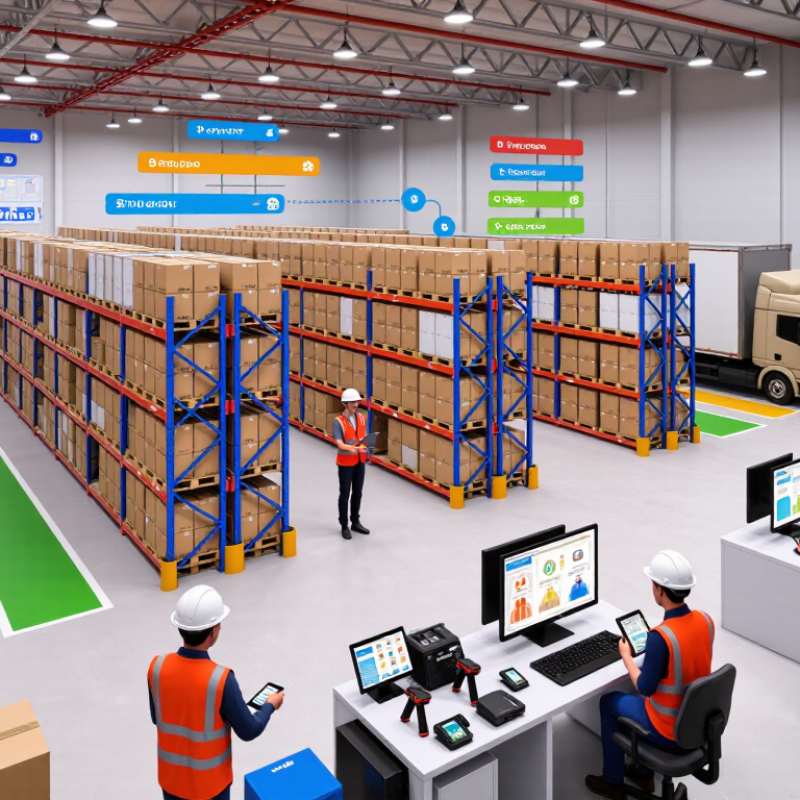
Seven Leading WMS Options for International Warehouse Operations
Global warehouse teams usually compare seven practical WMS options. Cloud-native systems support rapid deployment across multiple countries. Enterprise platforms manage complex networks, advanced reporting, and strict approval workflows. Modular systems suit growing companies that need inventory, receiving, and shipping tools first. Multi-client systems help logistics providers separate stock, billing, and service rules. Omnichannel systems connect retail, wholesale, and online orders in one operation. Manufacturing-integrated systems link warehouse movements with production schedules. Regional systems may offer stronger language, tax, and carrier support.
From warehouse implementation experience, international buyers should test real workflows before signing. Scan a mixed pallet, split an order, and process a return. Then review stock accuracy and response times. A system can look impressive during a sales demonstration. It may struggle with poor connectivity or unusual packaging. That matters. Reliable vendors explain migration limits, training needs, security controls, and support coverage. Independent references from similar warehouses are valuable evidence.
Tips: Build a short scorecard around inventory accuracy, integration, scalability, user training, and total cost. Ask each provider to demonstrate cross-border receiving with realistic data. Keep one manual fallback during the pilot. It may feel inefficient, but it reveals where automation is still fragile. Local warehouse staff should approve the final workflow because practical knowledge often exposes gaps that documents miss.