

In the dynamic world of water management, the "Water Rubber Dam" stands as a revolutionary solution. Experts like Dr. John Smith, an authority in hydraulic engineering, emphasize its importance: "Water Rubber Dams are key to effective water control." These structures offer flexibility and adaptability, putting power back into the hands of municipalities and industries.
Water Rubber Dams can regulate water flow efficiently, making them vital for flood control and irrigation. They can be inflated or deflated, adjusting to diverse water levels. This feature permits precise management without massive infrastructure changes. Additionally, the materials used in construction are sustainable, enhancing their appeal in a global market increasingly focused on eco-friendliness.
However, it's essential to evaluate their effectiveness continuously. While their innovation is clear, some installations have faced challenges, like durability under extreme weather. As Dr. Smith notes, "Each project must consider local conditions." Embracing these reflections can improve outcomes, ensuring that Water Rubber Dams serve their intended purpose effectively.
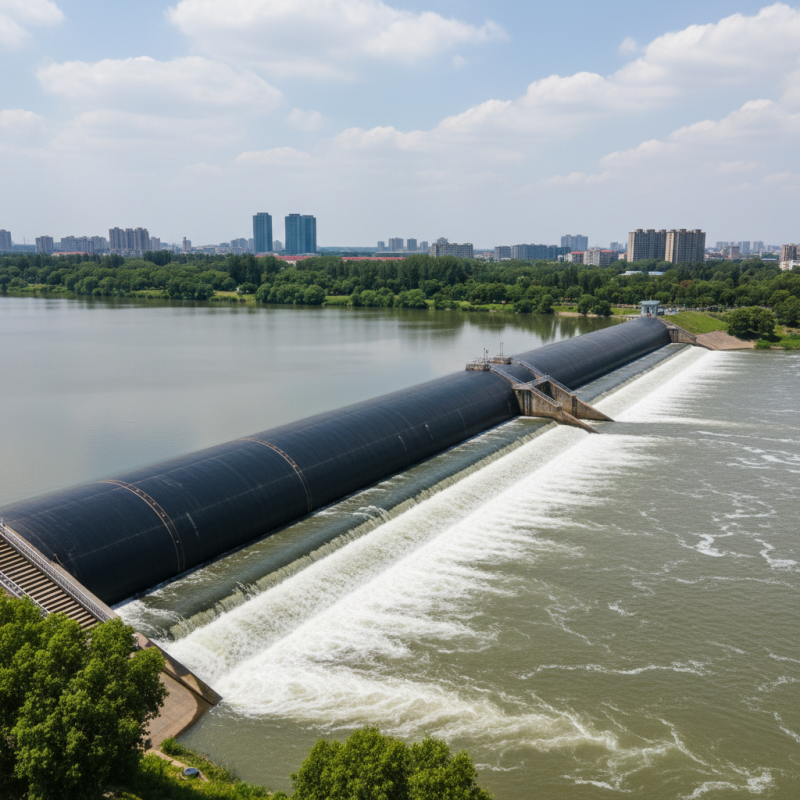
The global market for water rubber dams is rapidly evolving. Analysts predict a growth rate of approximately 8% annually over the next five years. This growth is driven by increasing investments in water management and infrastructure projects. Reports indicate that countries facing flood risks are particularly interested in these solutions. Emerging economies are adopting advanced technology to enhance their water management systems.
In regions like Asia-Pacific, the demand for water rubber dams is soaring. This area represents nearly 40% of global consumption. Companies are focusing on innovative designs that improve durability and efficiency. However, challenges remain, including environmental concerns and maintenance costs. Many stakeholders worry about the long-term sustainability of rubber dams.
Performance issues sometimes arise during extended use. This has prompted discussions around best practices and lifecycle management. Experts suggest ongoing training for operators to mitigate risks. The need for regulatory compliance is another critical consideration. Robust guidelines help ensure safety and reliability in water management practices.
Water rubber dams are gaining traction globally due to their versatility in water management. They offer effective solutions for flood control, irrigation, and even recreational purposes. According to the International Water Management Institute, the right dam can improve water efficiency by up to 40%. This efficiency is crucial, especially in regions facing severe water scarcity.
Key features to consider include material durability, ease of installation, and adaptability to varying water conditions. A strong rubber composition ensures longevity and resistance to harsh weather. The ability to adjust the dam height makes it suitable for different environments. Various types can be deployed, each tailored for specific applications. For example, smaller dams excel in recreation areas, while larger ones are vital for agriculture.
Tip: Regular inspections can enhance the lifespan of rubber dams. Look for wear and tear signs after extreme weather events. Consider training local teams on maintenance protocols.
Another aspect to reflect on is the environmental impact. While effective, improper installation can disrupt local habitats. Studies suggest that comprehensive site assessments are essential. Engaging with local stakeholders can lead to better solutions that balance human needs and ecological health. Always seek input from experts who understand regional complexities. Thus, while water rubber dams provide many benefits, thoughtful implementation remains vital for sustainable success.
Water rubber dams are vital in managing river flow and flood control. A comparative analysis of leading manufacturers reveals diverse features and capabilities. The global market for water rubber dams has expanded significantly, reaching approximately USD 1.5 billion in 2022. It is projected to grow at a compound annual growth rate (CAGR) of 5.7% through 2030.
Major manufacturers focus on various aspects of design and functionality. Some specialize in inflatable systems, while others excel in durability and ease of installation. Reports show that efficiency and reliability are paramount for users. However, not all products meet the high standards expected in challenging environments. Some reports indicate that performance can vary under extreme conditions, leading to potential risks.
End-users often seek customized solutions tailored to specific geography and climate. While advancements are frequent, there is still a gap in addressing all user needs effectively. Not every manufacturer has the ability to adapt quickly. This can lead to inefficiencies and longer project timelines. It is crucial for buyers to evaluate options thoroughly and assess not just the features but also the track record of performance under real-world conditions. Reliability often hinges on a manufacturer’s experience and technological expertise.
Investing in water rubber dam technologies offers significant benefits. These solutions enhance water management in various sectors. An effective water rubber dam can regulate flow and prevent flooding. The initial investment can be substantial, but long-term gains often offset costs.
Cost-benefit assessments are crucial. When analyzing the financial aspects, consider installation, maintenance, and operational costs. These technologies can reduce water loss and boost irrigation efficiency. In some regions, the return on investment can be realized within years. However, not every site will experience the same outcomes.
Challenges exist when integrating these systems. Local environmental conditions can affect performance. Conducting thorough assessments is vital before implementation. Understanding potential drawbacks can lead to better planning and execution. Such reflections help optimize the benefits provided by water rubber dams.
Water rubber dams are increasingly recognized for their role in sustainable water management. These structures are known for their low environmental impact compared to traditional dams. Studies indicate that they can enhance groundwater recharge and help maintain local ecosystems. A report by the International Water Management Institute highlights that rubber dams can improve water availability for irrigation by 30% in arid regions.
However, while the benefits are clear, there are challenges. The materials used in rubber dams may not decompose easily and can pose disposal issues. It is crucial to consider the lifecycle of these structures. Research from the World Bank suggests that improper management can lead to environmental degradation. Insight from industry experts stresses the need for proper monitoring to minimize these potential drawbacks.
In urban settings, water rubber dams can help control flooding and reduce stormwater runoff. This results in better water quality in surrounding bodies. Yet, they require ongoing maintenance to function effectively. Experts recommend periodic assessment to ensure that they do not negatively impact surrounding habitats. Balancing these ecological aspects is vital for maximizing the benefits of water rubber dams.
| Dimension | Data |
|---|---|
| Type of Rubber Dam | Inflatable, Non-inflatable |
| Typical Applications | Flood Control, Water Conservation |
| Environmental Impact | Minimal disruption to wildlife |
| Sustainability Rating | High |
| Lifespan | 10-20 years |
| Maintenance Frequency | Every 3-5 years |
| Cost Range (per unit) | $10,000 - $50,000 |
| Countries with High Usage | USA, Canada, Australia, China |
