

In 2026, the importance of backflow prevention systems cannot be overstated. A report from the American Water Works Association highlights that improper installation of valves leads to 30% of contamination issues within municipal water systems. This underpins the need for identifying the "Best Valve For Backflow Prevention Service." When evaluating options, users often overlook the fine details that make a significant difference in performance.
Numerous industry experts recommend specific valve types based on environmental conditions and flow rates. The data indicates that spring-loaded check valves perform well under varying pressure levels and are suited for residential applications. However, only a few models consistently deliver reliable outcomes over time. In fact, an analysis by the National Institute of Standards and Technology reveals that nearly 40% of backflow incidents stem from outdated valve designs.
Investing in the right valve is critical. Detailed evaluations and comparisons will lead to informed choices. The market is flooded with options, yet not all provide the same level of security and efficiency. Understanding these nuances ensures a safer environment for all.
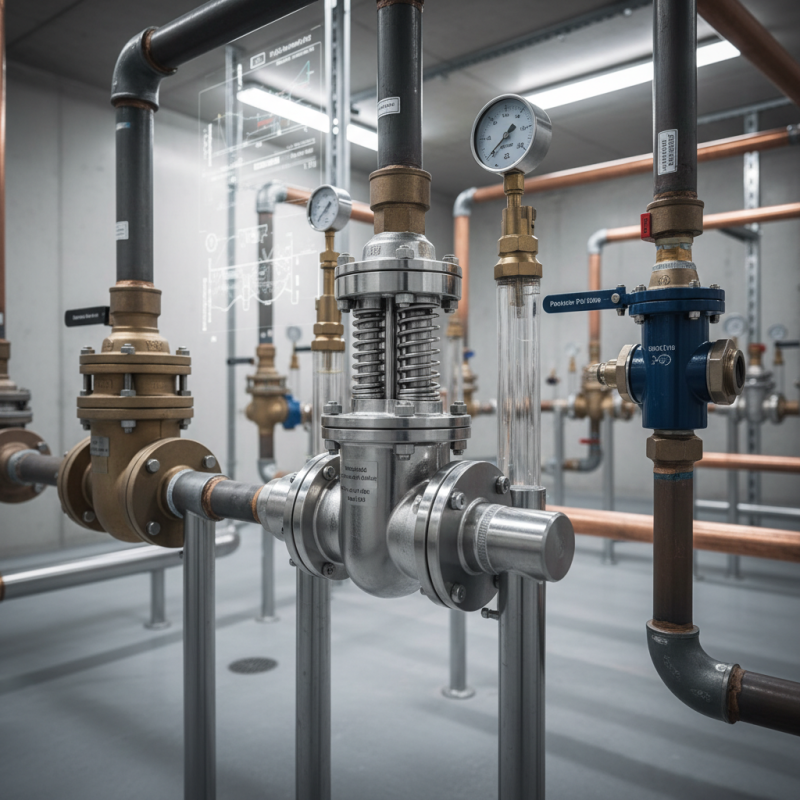
Backflow prevention is crucial in maintaining water quality. Contaminated water can lead to severe health risks. According to the Environmental Protection Agency (EPA), over 15% of waterborne illnesses are linked to backflow issues. This statistic highlights the potential danger that arises from inadequate backflow prevention measures.
Proper backflow prevention devices protect drinking water supplies. Many municipalities require compliance with specific regulations. A recent study indicated that installing backflow preventers can reduce contamination incidents by over 50%. However, experts warn that not all devices perform equally well. Regular maintenance and testing are essential to ensure functionality. If undetected, even the best valves may fail to protect against backflow.
The importance of these devices cannot be understated. Inadequate systems can expose consumers to harmful pollutants. It is recommended that facility managers prioritize backflow prevention planning. The consequences of neglecting this aspect can be staggering. Almost 1 in 10 facilities faced significant water quality issues due to ineffective backflow prevention. Regular assessments can ensure systems work as intended, safeguarding public health.
This chart displays the effectiveness scores of the top 10 valves for backflow prevention in 2026. The scores are based on various performance metrics that determine how well each valve prevents backflow, which is crucial for maintaining safe water systems.
Backflow prevention is critical in maintaining water safety. Various types of valves are commonly utilized for this purpose. One of the most effective are check valves. They allow fluid to flow in one direction while preventing reverse flow. This technology is widely accepted in both residential and commercial systems.
Another notable type is the dual-check valve. It combines two check valves into one unit. According to a report from the American Society of Sanitary Engineering (ASSE), the dual-check valve is essential in reducing contamination risks in backflow scenarios. It adds an extra layer of protection. Many municipalities mandate these in certain applications.
Pressure vacuum breakers are also vital in backflow prevention. They protect against back siphonage by using atmospheric pressure. They are ideal for irrigation systems. However, users often overlook maintenance needs. Ensuring operational efficiency can be challenging. Regular testing is crucial. Some users do not test as frequently as recommended, leading to potential risks. In the long run, implementing systematic monitoring could enhance safety and reliability. Understanding valve types and their proper use is essential for effective backflow prevention.
| Valve Type | Material | Pressure Rating (psi) | Size (inches) | Application |
|---|---|---|---|---|
| Swing Check Valve | Brass | 150 | 1-4 | Water Supply |
| Dual Check Valve | Plastic | 100 | 1-6 | Irrigation |
| Ball Check Valve | Stainless Steel | 200 | 1-8 | Chemical Processing |
| Spring Loaded Check Valve | Bronze | 150 | 1-2 | HVAC Systems |
| Pressure Relief Valve | PVC | 160 | 2-12 | Water Systems |
| Foot Valve | Cast Iron | 125 | 2-10 | Sump Pumps |
| Automatic Control Valve | Aluminum | 250 | 1-6 | Automated Systems |
| Diaphragm Check Valve | Composite | 125 | 2-8 | Fluid Transfer |
| Threaded Check Valve | Brass | 150 | 1-4 | General Purpose |
| Y-Pattern Check Valve | Stainless Steel | 200 | 1-6 | High Flow Systems |
Selecting the best backflow prevention valves requires careful consideration. Key criteria include material quality, flow capacity, and installation requirements. Reports from the American Society of Mechanical Engineers indicate that materials such as bronze and PVC significantly enhance durability and resistance to corrosion. Durability impacts the long-term performance of backflow preventers, affecting water safety.
Flow capacity is crucial. Valves must accommodate specific pressure and water flow rates. According to the American Water Works Association, a valve's rating should match the maximum expected flow to prevent backflow effectively. An underperforming valve can lead to serious contamination issues. Hence, potential buyers should examine the specifications closely.
Installation is another vital aspect. Proper installation avoids future complications. A poorly installed valve can fail under pressure, causing leaks. Evaluation should include user feedback on installation ease. A reliable source of information can be the International Code Council, which offers guidelines on proper valve placement. Users must ensure the valve meets local building codes for maximum efficiency.
Backflow prevention is crucial for maintaining water quality. In 2026, various innovative valves stand out. These devices ensure contaminants do not enter clean water systems. They operate under different principles, such as pressure differentials and mechanical seals. Advanced engineering has led to models that promise durability and reliability.
Considerations for choosing a backflow prevention valve include application type and local regulations. Many valves feature easy installation options. Regular maintenance is essential for effectiveness. Users often overlook this aspect, which can lead to failures. Maintenance schedules should be clearly outlined.
Some valves are designed for specific environments. For instance, residential systems may require different solutions compared to industrial settings. As needs evolve, continuous learning about valve technologies becomes vital. This proactive approach enhances reliability and safety. Each year, it’s important to evaluate existing systems. What worked last year may not be sufficient today.
Backflow prevention valves play a crucial role in protecting water systems from contamination. In 2026, the demand for reliable backflow prevention has surged. According to a report by the American Water Works Association, over 20% of waterborne diseases are linked to backflow incidents. This highlights the importance of choosing the right valve.
A comparative analysis reveals that the most effective backflow prevention valves are those that incorporate advanced engineering designs. These designs often include features like dual check mechanisms and robust sealing materials. A study by the International Valves Association notes that valves with these specifications can reduce leakage rates by up to 30%. However, not all models perform equally; installation and maintenance practices greatly affect overall efficiency.
Another aspect of backflow prevention valves is their adaptability to varying water conditions. Different environments demand different specifications. For instance, corrosive substances in the water can significantly impact valve performance. Regular inspections are crucial, as wear and tear can compromise functionality. Industry experts recommend a yearly assessment to ensure that valves continue to meet safety standards.
