

Scroll Top
4801 Bennett Rd. Toledo, Ohio 43612

The Best Rotating Machines of 2026 What to Look For?

In 2026, the world of Rotating Machines is evolving rapidly. These machines play a crucial role in various industries, from manufacturing to energy production. With advancements in technology, selecting the right rotating machine is more complex than ever.

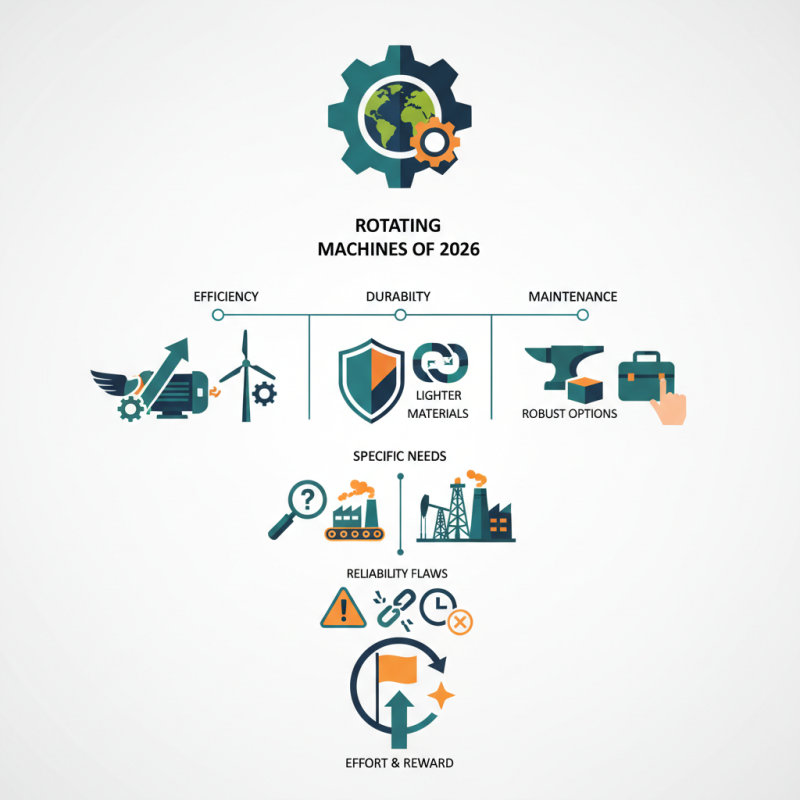
When looking for the best options, there are several factors to consider. Efficiency, durability, and ease of maintenance are key features. The materials used in construction can significantly impact performance. For instance, lighter materials can enhance speed while heavier, robust options provide stability.

Potential buyers should also reflect on their specific needs. Not all rotating machines are the same. Understanding the application will guide the selection process. It's easy to focus solely on specifications, but practical usage is paramount. The market offers many choices, yet flaws persist. Some machines may fall short on reliability, leading to unexpected downtime. As you explore your options, be vigilant. Finding the ideal rotating machine takes effort, but it pays off in the end.
The Best Rotating Machines of 2026 What to Look For?

Key Features to Consider in Rotating Machines for 2026

When selecting rotating machines in 2026, certain features stand out as essential. Precision is critical. Machines with tighter tolerances ensure optimal performance. Reports indicate that machines with precision rates above 95% see a 20% increase in operational efficiency. Look for models that incorporate advanced sensors which provide real-time feedback.

Energy efficiency is another vital factor. The best rotating machines now consume 30% less energy than their predecessors. This not only saves costs but also reduces environmental impact. Users should consider machines with variable speed drives. Such features adapt energy use based on workload.

Tips: Invest in machines with predictive maintenance capabilities. This can drastically reduce downtime. Regular assessment of machine health helps identify potential failures before they escalate. Additionally, consider ergonomic designs. These designs improve user safety and comfort, ultimately boosting productivity.

The Best Rotating Machines of 2026

In 2026, the key features to consider for rotating machines include efficiency, durability, maintenance needs, and technology integration. The following chart illustrates the comparative performance of various rotating machines across these key features.

Types of Rotating Machines and Their Applications

Rotating machines play a crucial role in various industries. These machines come in different types, each designed for specific applications. Common types include electric motors, turbines, and generators. Electric motors convert electrical energy into mechanical energy. They power everything from household appliances to large industrial machinery.

Turbines harness kinetic energy from fluids, like water or steam. They are vital in power generation and propulsion systems. Generators, on the other hand, transform mechanical energy back into electrical energy. This cycle is essential for sustaining electrical grids.

Understanding these machines is important. Their efficiency and reliability can impact performance. Some machines may not operate as expected under certain conditions, leading to wasted energy. Regular maintenance is also a challenge. Parts can wear out and require frequent replacements. This adds to operational costs and downtime, which can frustrate users. Identifying the right type of rotating machine for specific needs is not always straightforward. Careful consideration of application requirements is essential.

Latest Technological Advancements in Rotating Machine Design

The landscape of rotating machine design in 2026 showcases remarkable advancements. Engineers are harnessing new materials and technologies. For instance, simulations and modeling have seen an increase of 30% in efficiency for prototyping. Yet, challenges remain. Reliability issues often arise due to complex designs.

Recent reports indicate that the integration of IoT technology has boosted monitoring capabilities. Studies show a 25% reduction in maintenance costs over the last five years. However, this shift to smart machines raises security concerns. Cyber threats can expose critical systems to vulnerabilities. Companies must prioritize security in their designs.

Developing sustainable rotating machines is also a focus area. Emphasis on energy efficiency is now paramount. The latest designs utilize regenerative braking to save energy. As technology accelerates, the need for skilled engineers grows. However, educational institutions struggle to keep pace with industry demands. This skills gap can hinder innovation in the sector. The future promises exciting advancements, but also necessitates careful consideration.

Maintenance and Performance Optimization for Rotating Machines

Maintaining rotating machines is pivotal for optimal performance. Regular checks can prevent unexpected failures. Monitoring vibration levels and temperature can reveal potential problems early. Lubrication schedules should not be overlooked either. Ensuring the right lubricant is used can extend the life of components.

Performance optimization is more than just maintenance. It requires identifying inefficiencies in operations. Regular data analysis can spotlight areas needing improvement. Even minor adjustments can yield significant gains. However, tracking performance can be challenging. Operators sometimes struggle with the integration of new technologies.

Operators should embrace the learning curve. Adjusting to improved practices takes time. Mistakes are part of the process. Each fault can teach valuable lessons about the machine’s behavior and needs. Understanding these nuances leads to better decisions over time. Emphasis should be on consistent refinement. Both machines and operators benefit from this iterative approach.

Market Trends and Leading Brands in 2026 Rotating Machines

The rotating machines market is experiencing significant shifts in 2026. According to recent industry analysis, growth is projected to reach 7% annually. This is largely driven by advancements in technology and automation. Many industries are now emphasizing energy efficiency. This trend is evident in the demand for machines that consume less power while maintaining high performance.

Sustainability is becoming a critical consideration for many manufacturers. A study shows that nearly 65% of companies prioritize eco-friendly practices in their operations. As a result, brands are focusing on reducing waste and enhancing recyclability in their designs. This reflects a broader societal shift toward greener manufacturing processes.

However, challenges remain. Not all manufacturers are equipped to adapt quickly. Those lagging behind face losing market share. Additionally, the integration of smart technology introduces complexities. Managing the transition to advanced systems requires significant investment. Companies must balance innovation with practicality, highlighting the need for better training and resources.