

Scroll Top
4801 Bennett Rd. Toledo, Ohio 43612

2026 Best Peel Test Machine for Quality Assurance?

In today's manufacturing landscape, ensuring product quality is paramount. A reliable Peel Test Machine plays a crucial role in assessing adhesive bonds. As industries evolve, the demand for sophisticated testing equipment increases. This equipment not only analyzes adhesion strength but also provides insights into material behavior under stress.

With various models available, finding the best Peel Test Machine can be daunting. Each machine comes with unique features tailored for specific applications. Understanding these differences is essential for manufacturers. It's not just about choosing any machine; it's about selecting one that fits your quality assurance needs.

Many users overlook the importance of calibration and maintenance. An improperly maintained machine can yield inconsistent results. Therefore, investing in training and regular servicing is wise. Choosing the right Peel Test Machine involves careful consideration of various factors. This process can reveal shortcomings in existing methodologies, driving continuous improvement throughout production lines.
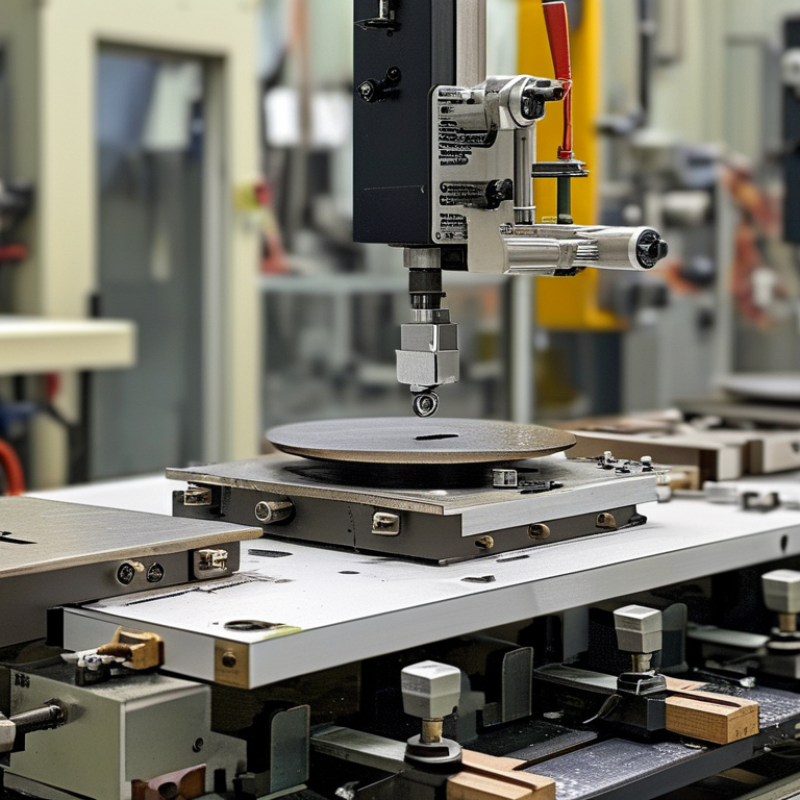
2026 Best Peel Test Machine for Quality Assurance?

Overview of Peel Test Machines: Definition and Importance

Peel test machines are crucial in quality assurance processes. They evaluate the adhesion strength of materials, ensuring products meet industry standards. These machines assess how well one surface adheres to another. In many sectors, inadequate adhesion can lead to significant failures. Research indicates that over 30% of mechanical failures involve poor adhesion. This statistic emphasizes the need for reliable testing.

The importance of peel tests cannot be overstated. Industries like automotive and aerospace rely on strong bonds. Defective parts can endanger lives and incur hefty costs. A comprehensive study revealed that 25% of product recalls are due to adhesion issues. Implementing peel tests can reduce such risks. Despite advanced technology, challenges persist in ensuring consistent test results. Variability in testing conditions can impact outcomes, leading to questions about machine reliability.

Investment in high-quality peel test machines can address these concerns. Accurate testing helps maintain competitive advantages. Companies must focus not only on performance but also on understanding adhesion mechanics. Continuous education in this field can drive better results. Engaging with professionals and keeping abreast of industry standards is vital for effective quality assurance.

2026 Best Peel Test Machine for Quality Assurance

Model Testing Capacity (N) Accuracy (%) Cycle Time (seconds) Software Features
Model A 500 0.5 10 Data Logging, Graphing
Model B 1000 0.3 8 Automated Reporting, Cloud Sync
Model C 750 0.7 12 Custom Test Settings, Graphical Reports
Model D 800 0.4 15 Integrated Database, Real-Time Monitoring

Key Features to Consider in a Peel Test Machine

When selecting a peel test machine, several key features warrant consideration to ensure quality assurance in material testing. Accuracy and reliability are paramount. A reputable machine should consistently deliver precise measurements. Look for machines with a calibration function. Calibration helps maintain the accuracy of results over time.

Additionally, versatility matters. A machine that can handle various materials offers greater flexibility. For example, testing both flexible and rigid substrates can be advantageous in diverse industries. According to a report from the Materials Testing Institute, machines that adapt to different surface types can yield a 30% increase in testing efficiency.

Another essential feature is user-friendliness. An intuitive interface enhances efficiency during testing procedures. Training time is crucial for laboratory staff, so a machine that minimizes complexity can significantly streamline operations. Reports indicate that user-friendly machines lead to a 25% reduction in operational errors.

Tips: Always check for industry certifications. Machine accuracy can vary widely between manufacturers. Invest in a machine with proven reliability to avoid costly errors. Lastly, consider the machine's maintenance requirements to ensure it remains operational without frequent downtime. Quality testing machinery is crucial in preventing defects and improving product reliability.

Top Brands and Models for Quality Assurance in 2026

In 2026, quality assurance in manufacturing relies heavily on peel test machines. These machines evaluate adhesive bonds and coatings, ensuring product durability. The right peel test machine can provide precise measurements, enhancing quality control processes. Various models have emerged, each with unique capabilities and specifications.

Leading brands offer a range of peel test machines tailored for different industries. Some focus on lightweight, portable options, while others emphasize robust features for heavy-duty testing. When selecting a machine, consider the variety of peel types it can handle. This versatility is essential for diverse applications. Some machines might struggle with certain materials, a factor worth reflecting on.

User experience is vital in this domain. Complexity in operation can lead to mistakes, affecting test reliability. Training staff to operate these machines is critical. Operators must be familiar with the nuances of each model. Only then can organizations ensure accurate and consistent results in their quality assurance processes. Look closely at customer feedback for insights into long-term reliability and performance.

2026 Best Peel Test Machine Quality Assurance

This chart represents the peel strength measurements of different materials tested in 2026, showcasing the performance variation among them for quality assurance processes.

Comparison of Peel Test Machines: Performance and Cost Analysis

When evaluating peel test machines, both performance and cost are crucial. These machines assess the adhesive strength of various materials. Advanced models offer precise measurements, which increase reliability in quality assurance processes. Simpler designs may lack some features but can still provide acceptable results for lesser applications.


The initial investment can vary widely. Some machines offer enhanced functionality, which comes at a higher price. Budget options can still provide vital insights into adhesive performance but may require more frequent maintenance. It’s important to consider long-term costs, including repairs and operational efficiency. Many users find balancing quality and cost challenging, leading to questions about future needs.


Data from various testing scenarios show variability in performance. Some machines excel under certain conditions while faltering in others. Testing different materials can expose weaknesses in both expensive and economical options. Understanding these nuances allows for better decision-making. Investing time in comprehensive testing can uncover hidden flaws and highlight strengths in testing machinery.

Future Trends in Peel Testing Technology and Quality Assurance

As the demand for quality assurance in manufacturing rises, peel testing technology is evolving rapidly. Future trends indicate that automation will play a crucial role. Automated peel test machines can enhance accuracy. They provide consistent results while reducing human error. This shift could lead to increased efficiency in production.

Another trend focuses on data analytics. Advanced software tools will enable real-time analysis of peel test results. Manufacturers will gain insights into product durability more quickly. However, reliance on technology may lead to overconfidence. It’s essential to maintain regular calibration of machines. This practice ensures data reliability and minimizes equipment failure.

Sustainability is also influencing peel testing innovations. Eco-friendly materials are gaining popularity, but their testing requires adaptation. The industry faces challenges in developing new testing standards. As manufacturers strive for sustainability, they must not overlook traditional materials. Balancing innovation with proven methods is vital for maintaining quality assurance. Investing in research and development will be critical for overcoming these hurdles.