

As the demand for aerial technology continues to soar, the Global Drone market is projected to reach $41.3 billion by 2026, according to a recent market research report. This explosive growth indicates a significant trend among industries leveraging drones for numerous applications, from agriculture to logistics. However, with this expansion comes a complex landscape of options that can overwhelm potential buyers.
When considering a global drone purchase, buyers must reflect on critical questions. What specific features do they require? Are they targeting commercial uses, like delivery services, or recreational flying? Each segment of the market has unique needs. Furthermore, the rapid pace of innovation means last year's top model may not remain relevant. The need for continuous learning about emerging technologies in this space is essential for making well-informed decisions.
Navigating this ever-evolving market demands careful scrutiny. Many buyers may focus on price while overlooking crucial aspects like durability and technical support. Balancing cost with quality is essential for long-term satisfaction. Understanding the nuances of the global drone landscape is vital for any potential buyer looking to invest wisely in this high-tech field.
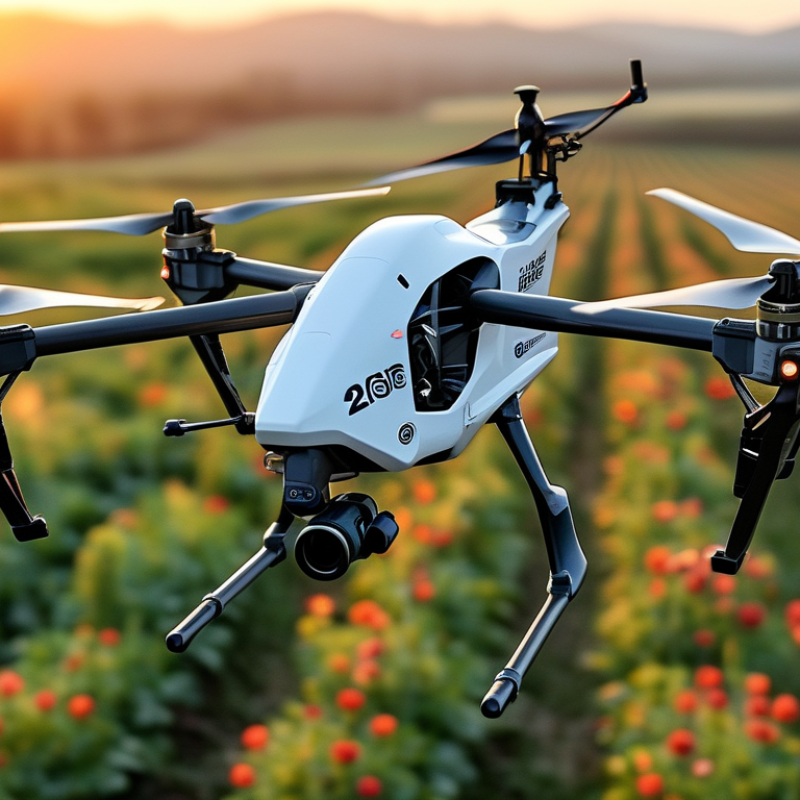
When selecting a drone, understanding key features is essential. Battery life stands out as a crucial consideration. A longer flight time allows for more extensive exploration. Think about what you plan to use the drone for. Short battery life can restrict creativity and time in the air. It’s frustrating when a drone lands early, cutting short the perfect shot.
Camera quality is another vital aspect. A high-resolution camera can make your aerial photography stunning. Look for drones with 4K capabilities or higher for vibrant images. However, remember that camera specs can be misleading. A drone with lower megapixels may deliver better quality images due to superior stabilization. Don't get caught up in numbers alone; evaluate real-world performance.
Durability and design should not be overlooked. A robust drone can withstand minor crashes. However, that doesn’t mean a drop won’t result in damage. Be aware of how environmental conditions affect drone performance. Drones can struggle in high winds or rain. Reflect on where you plan to fly. This knowledge helps in choosing a drone that meets your specific needs.
When considering a drone purchase, understanding the types available is crucial. Drones can be classified into several categories based on their design, purpose, and features. These categories include toy drones, camera drones, racing drones, and professional drones. Each type serves a unique purpose, tailored to different users' needs. Camera drones, for instance, are designed to capture stunning aerial photographs and videos.
Toy drones are beginner-friendly. They often come with fewer features but can be a great starting point for kids. Racing drones, on the other hand, are built for speed and agility, making them popular among enthusiasts. Professional drones cater to industries like agriculture and real estate, equipped with advanced technology. Each type has specific characteristics worth considering, depending on your intended use.
Choosing the right drone can be challenging. It's essential to weigh your options carefully. Sometimes people buy drones impulsively without understanding their needs. This can lead to frustration and unmet expectations. Each drone comes with a learning curve. Users may find it challenging to navigate the features, especially if they choose a high-end model without prior experience. Balancing your budget, experience level, and needs is vital for a satisfying drone ownership experience.
When budgeting for a drone, it’s essential to analyze costs thoroughly. A report by the Federal Aviation Administration (FAA) estimates the average consumer drone price in 2026 will be between $300 and $2,500. This range reflects varying features and capabilities. Basic models meet casual users' needs, while advanced drones cater to professional enthusiasts.
Consider additional expenses like maintenance, insurance, and accessories. Maintenance can cost around 10% of your drone's price annually. Accessories, such as extra batteries and better cameras, can quickly add hundreds of dollars. Experts recommend allocating at least 15% of your initial drone budget for these recurring costs. This allocation provides a clearer picture of the total investment.
It's crucial to assess value. Not all high-priced drones are worth their cost. User reviews and expert opinions should guide purchases. Reports indicate that 30% of consumers regret their drone choices due to inadequate research. This statistic underscores the importance of informed buying. Understanding what you need helps avoid expensive mistakes. Budgeting wisely ensures you make a purchase that meets your expectations.
| Drone Type | Price Range (USD) | Camera Quality | Flight Time (Minutes) | Purpose |
|---|---|---|---|---|
| Entry-level | $100 - $500 | 720p HD | 15-20 | Recreation |
| Mid-range | $500 - $1500 | 1080p Full HD | 20-30 | Photography |
| Professional | $1500 - $3000 | 4K UHD | 30-40 | Aerial Surveying |
| Commercial | $3000+ | 6K and above | 40+ | Industrial Applications |
Understanding drone regulations is essential for safe flying. Each region has specific laws governing drone use. These regulations can include flight zones, altitude limits, and privacy considerations. Familiarizing yourself with these rules can prevent legal issues.
Local governments may enforce restrictions. For instance, some areas prohibit flying near airports or crowded places. Researching your locality’s laws is key. You might need to register your drone. Compliance can also mean obtaining permits for certain operations. Ignoring these steps might result in fines.
It's also important to stay updated on changing regulations. Laws can evolve rapidly as technology advances. Engaging with community forums and local authorities can provide valuable insights. Some drone operators share experiences that may highlight potential pitfalls. Recognizing these nuances ensures responsible flying and fosters trust within your community.
As we look toward 2026, drone technology continues to evolve rapidly. Innovations in artificial intelligence and autonomous systems will likely redefine how drones operate. Expect improved navigation, enhanced obstacle avoidance, and greater autonomy. These capabilities will open new avenues in various sectors such as agriculture, logistics, and surveillance.
Users should consider the implications of these advancements. For instance, ethical concerns over privacy and data security will emerge. Drones may collect vast amounts of data, raising questions about consent and ownership. It's crucial to stay informed about regulations that may arise to address these issues.
Tips for potential buyers: Analyze your specific needs before making a decision. A drone for personal photography will differ from one used in industrial applications. Ensure you consider battery life and flight range. These factors greatly affect your drone's usability. Also, think about the learning curve. Some advanced models might require more training. Finding a balance between features and ease of use is essential.
