

Scroll Top
4801 Bennett Rd. Toledo, Ohio 43612

2026 Best Electric Park Vehicle Options for Global Buyers

As urban landscapes evolve, the demand for Electric Park Vehicles is surging. These vehicles provide sustainable solutions for navigating crowded spaces. Their eco-friendly nature attracts both individuals and businesses. Cities worldwide look for alternatives to traditional vehicles. This shift is driven by an increasing awareness of environmental issues.

Electric Park Vehicles offer numerous advantages, such as reduced emissions and lower operating costs. However, challenges remain. Infrastructure needs improvement to support these innovative vehicles. Not all regions are equipped for effective usage. This prompts global buyers to carefully evaluate options available in the market.

Choosing the right Electric Park Vehicle can be overwhelming. Some models excel in efficiency but lack features or range. Others may be stylish yet impractical for daily use. Buyers must weigh options against personal needs and local conditions. It's essential to consider factors like charging availability and vehicle durability. Each choice reflects a commitment to a greener future.
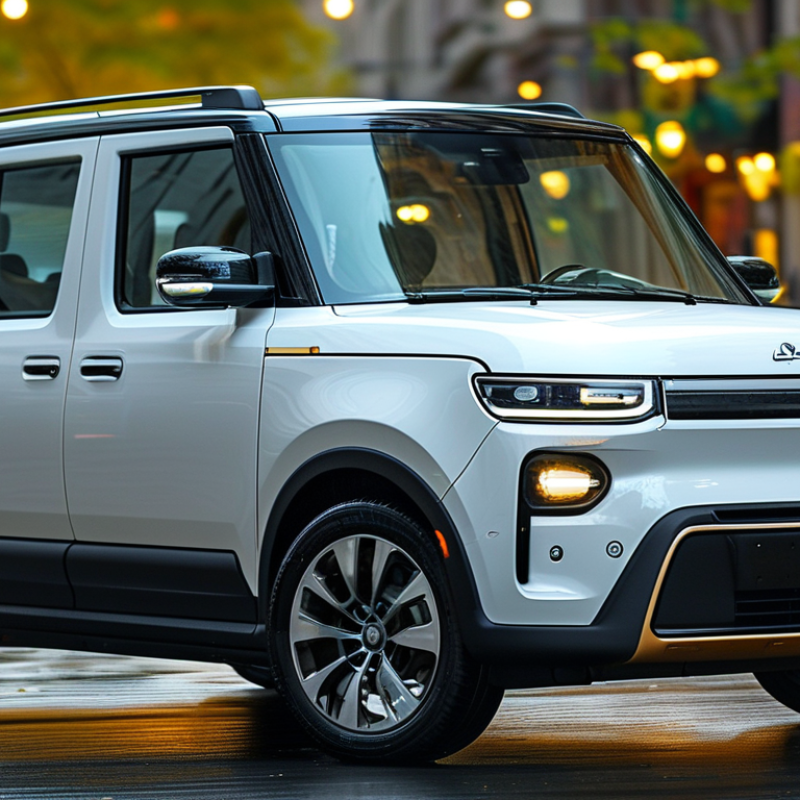
2026 Best Electric Park Vehicle Options for Global Buyers

2026 Electric Park Vehicles: An Overview of Market Trends and Innovations

The electric park vehicle market is witnessing exciting trends in 2026. Innovations in battery technology are a key focus. Companies are developing lighter, more efficient batteries that enhance range and reduce charging times. This shift not only improves usability but also makes electric vehicles more appealing to a broader audience.

Sustainability remains a top priority. Manufacturers are exploring eco-friendly materials and production processes. This trend aligns with increasing consumer demand for green solutions. Buyers are seeking vehicles that reflect their values, opting for options with lower environmental impact.

Tip: When choosing an electric park vehicle, consider your specific needs. Analyze factors such as range, charging infrastructure, and maintenance costs.

Another trend involves smart features. Many electric park vehicles are now equipped with advanced technologies. These include autonomous driving capabilities and integrated smart systems. Such innovations add convenience but may raise concerns over issues of reliability and technology dependence.

Tip: Always test the technology in person. Make sure you feel comfortable with the features before making a commitment.

Key Features to Consider When Choosing an Electric Park Vehicle

When choosing an electric park vehicle, several key features are essential. Battery life stands out as a primary consideration. Look for models that offer extended usage time. A robust battery ensures you won't be stranded after a short trip. Comfort also matters. Spacious seats and adjustable steering can enhance the driving experience. Test the seating during your evaluation period; it should accommodate various body types.

Another important aspect is safety. Examine the safety features like braking systems and visibility. An electric park vehicle should provide a reliable stopping mechanism. Additionally, electronic stability control can prevent accidents in tight spaces. Consider the vehicle’s design as well. A compact build is beneficial for maneuvering in crowded areas. A good turning radius can make a significant difference.

These details might seem minor but are crucial for long-term satisfaction. Be aware that some vehicles may lack certain advanced features. This is an area for self-reflection. Prioritize what matters most to you. What is fantastic for one user may not be suitable for another. Think clearly about your needs and the environment where you'll be using the vehicle.

Comparative Analysis of Popular Electric Park Vehicle Models

As the demand for sustainable transport grows, electric park vehicles (EPVs) are becoming increasingly popular. A recent industry report from the International Energy Agency indicated that global electric vehicle sales surged by over 40% in 2022. This trend extends to park vehicles, designed for a range of environments from airports to tourist attractions.

When comparing popular EPV models, several factors stand out. Battery life is crucial; average ranges for top models hover around 60 miles. Speed varies, but many EPVs can reach 25 mph, making them efficient for short-distance travel. Additionally, weight and capacity are critical; lighter vehicles often offer better maneuverability but may sacrifice space for passengers and cargo. Industry experts suggest evaluating these trade-offs when selecting a vehicle.

Cost is another significant factor. Initial investment can be steep, with prices ranging widely based on features. However, many operators report lower maintenance costs over time. Despite the enthusiasm for EPVs, some buyers express concerns about charging infrastructure and battery disposal. These issues raise questions about the long-term sustainability of electric park vehicles. Addressing these challenges remains vital for widespread adoption.

2026 Best Electric Park Vehicle Options

Environmental Impact of Electric Park Vehicles on Urban Mobility

Electric park vehicles are reshaping urban mobility. They offer an eco-friendly alternative to traditional gas-powered vehicles. These electric options reduce emissions significantly. Cities experience cleaner air as a result. This transformation is essential for sustainable development.

However, not all electric vehicles equally contribute to environmental benefits. Battery production has its own carbon footprint. Recycling methods need improvement. Urban planners must consider energy sources for charging. Renewable energy integration is crucial. This can enhance the positive impact on the environment.

Urban spaces are also changing. Parking needs evolve as electric park vehicles grow in number. Reduced vehicle sizes can lead to more green spaces. Therefore, cities can be both innovative and livable. Yet, there’s pressure to ensure infrastructure keeps pace. A thoughtful approach is necessary for balanced growth.

Cost-Benefit Analysis: Purchasing vs. Leasing Electric Park Vehicles

In the evolving market of electric park vehicles, buyers face a crucial decision: purchasing or leasing. Each option has distinct financial implications. According to a recent industry report, buying an electric park vehicle can cost between $30,000 to $60,000 upfront. This financial burden may seem daunting, particularly for smaller businesses or organizations with fluctuating budgets.

On the other hand, leasing offers flexibility. Monthly payments typically range from $300 to $700, allowing easier cash flow management. Reports suggest that 30% of businesses prefer leasing for its lower initial cost and maintenance coverage. However, leasers must consider the long-term expenses. Over several years, leasing could surpass the cost of purchasing due to continuous payments and potential fees.

Despite these figures, the decision shouldn't be solely based on numbers. Buyers must assess their specific needs and usage patterns. Some vehicles may offer additional operational costs, such as charging infrastructure. Each choice has trade-offs that require reflection. Evaluating factors like anticipated vehicle turnover and usage frequency can guide buyers in making a well-informed decision.

2026 Best Electric Park Vehicle Options for Global Buyers - Cost-Benefit Analysis

Vehicle Type Purchase Price ($) Leasing Price ($/month) Maintenance Cost (Annual, $) Range (Miles) Resale Value After 5 Years ($) Total Cost of Ownership (5 Years, $)
Compact Electric Vehicle 25,000 350 500 250 12,000 29,500
SUV Electric Vehicle 40,000 600 800 300 18,000 52,500
Luxury Electric Vehicle 75,000 1,200 1,200 350 30,000 92,400
Utility Electric Vehicle 50,000 800 1,000 200 20,000 48,000