

Scroll Top
4801 Bennett Rd. Toledo, Ohio 43612

Best Cnc Horizontal Turning Center for Global Buyers?

The demand for a reliable Cnc Horizontal Turning Center is on the rise globally. Buyers seek efficiency and precision in manufacturing. Selecting the right center can be a daunting task.

Many manufacturers offer a wide range of Cnc Horizontal Turning Centers. Each has unique features that may suit different needs. It's essential to evaluate them carefully. Consider factors such as build quality, versatility, and user-friendly interfaces. The choice can significantly impact production outcomes.

As you explore options, acknowledge that not all machines will meet every expectation. Each model has its limitations and strengths. Understanding these nuances can lead to informed decisions. Engage with expert reviews and user experiences to guide your choice.
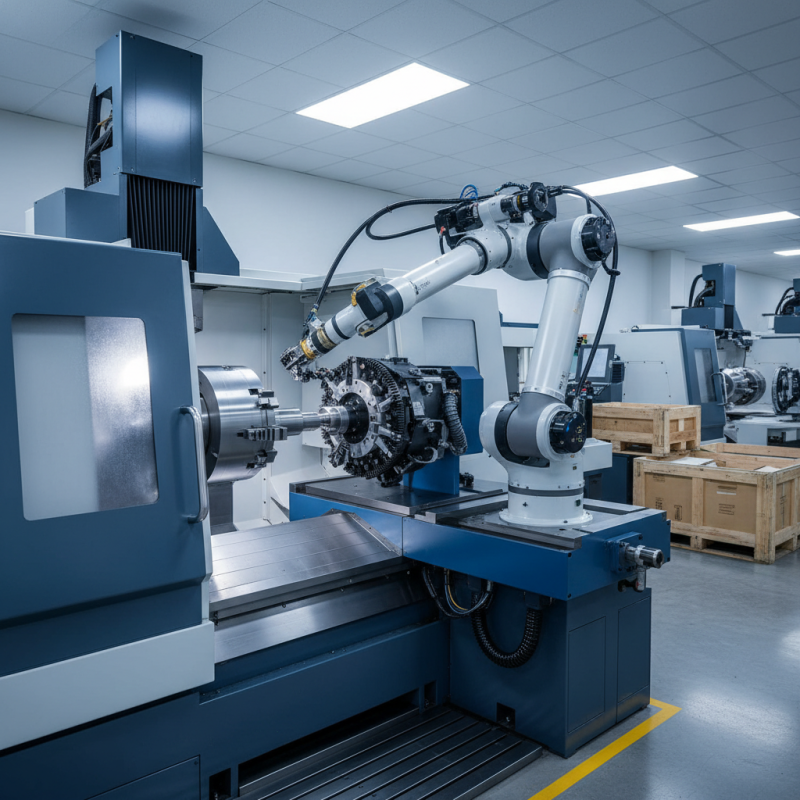
Best Cnc Horizontal Turning Center for Global Buyers?

Overview of CNC Horizontal Turning Centers

CNC horizontal turning centers have transformed the machining industry. These machines improve precision while reducing production time. Industry reports indicate that the global CNC machinery market is expected to reach approximately $100 billion by 2025. This growth demonstrates the rising demand for advanced manufacturing solutions.

These turning centers are designed to handle large workpieces. They provide versatility in producing complex geometries. High-speed machining capabilities lead to increased productivity. Yet, some manufacturers report challenges with the learning curve associated with advanced CNC programming. Training is essential yet often overlooked, resulting in production setbacks.

In 2022, an estimated 30% of CNC users faced operational inefficiencies due to inadequate training. This revelation shows the importance of investment in operator education. Choosing the right CNC turning center is a crucial step. Understanding the specific needs and capabilities will influence long-term success. Proper installation and maintenance are equally significant to ensure machine longevity and reliability.

Key Features to Consider in a CNC Horizontal Turning Center

When choosing a CNC horizontal turning center, key features are vital. Look for precision. Machines with high rigidity and minimal vibrations produce better accuracy. A robust construction ensures longevity and consistent performance.

Another important factor is the spindle speed. Higher speeds allow for faster operations and improved surface finishes. Pay attention to the horsepower as well. More power often means tackling larger and tougher materials effectively.

Tool capacity is also significant. A machine that can handle multiple tools increases versatility. However, consider ease of use too. Complicated interfaces can hinder productivity. Select a machine that balances functionality and user-friendliness. In this ever-evolving market, reflecting on these aspects can lead to better investment decisions.

Best CNC Horizontal Turning Center for Global Buyers

Feature Description Importance
Spindle Speed Range of spindle rotation speed, affecting machining efficiency. High
Chuck Size Diameter of the chuck, determining size of workpieces. Medium
Tools Capacity Number of tools the machine can hold for automated operation. High
Control System Type of control software which affects usability and functions. High
Power Consumption Energy efficiency which impacts operational costs. Medium
Machine Weight Overall weight, influencing stability during operation. Medium
Accuracy Precision level of the machine's output measurements. High
Safety Features Built-in features to enhance operator safety during use. High

Top Brands and Models for Global Buyers

The CNC horizontal turning center market is growing rapidly. Recent reports indicate that this segment is expected to surpass $2 billion by 2025, driven by high demand in sectors like automotive, aerospace, and metal fabrication. Key features that appeal to global buyers include precision, efficiency, and flexibility. These machine tools enhance productivity and reduce waste, aligning with industry 4.0 standards.

When assessing top brands and models, buyers often prioritize factors such as spindle speed, tool change time, and ease of operation. Data suggests that models with high torque and fast cycle times significantly boost operational efficiency. However, it's crucial for buyers to critically evaluate their specific needs. Not all turning centers suit every application. Some may struggle with complex geometries or require extensive training for operators.

Additionally, maintenance and support are vital considerations. Unsatisfactory service can lead to prolonged downtimes. It's essential to investigate warranty options and after-sales support. Many buyers report dissatisfaction with the responsiveness of vendors during critical machine issues. Balancing cost with these technical capabilities is crucial for informed purchasing decisions.

Applications of CNC Horizontal Turning Centers in Various Industries

CNC horizontal turning centers play a vital role across multiple industries. They are essential in manufacturing, aerospace, automotive, and medical sectors. These machines enhance precision and speed in producing complex parts. For example, the automotive industry relies on them for creating axle shafts and engine components. Their ability to handle large workpieces with accuracy makes them indispensable.

In the aerospace sector, CNC horizontal turning centers ensure the production of lightweight, high-strength components. These machines can achieve tight tolerances required for aircraft parts. Medical equipment manufacturing also benefits significantly. The precision offered is crucial for producing reliable and safe instruments.

Tips: When selecting a CNC horizontal turning center, consider the machine's rigidity and stability. Investigate how it performs with various materials. Additionally, assess the flexibility of tooling options. Investment in quality machine tools can reduce downtime and waste, resulting in higher overall productivity. Keep an eye on maintenance costs too. A well-maintained machine often leads to better output and longevity.

Challenges may arise during integration into existing systems. Not all facilities can accommodate the specific needs of new machinery. It is essential to analyze compatibility with current setups. Training staff is another aspect requiring attention. Skilled operators are key to maximizing the capabilities of these advanced machines. Balancing technology and human expertise will lead to enhanced production outcomes.

Applications of CNC Horizontal Turning Centers in Various Industries

This chart illustrates the application areas of CNC Horizontal Turning Centers across different industries. It highlights the utilization percentage in sectors such as automotive, aerospace, medical, and general manufacturing.

Factors Influencing the Purchase Decision for CNC Machines

When considering the purchase of CNC horizontal turning centers, several factors are crucial. One notable point is the quality of machining accuracy. Reports indicate that precision can impact production quality by 30%. Buyers should assess if the machine can maintain tolerances necessary for specific projects.

Cost-effectiveness also plays a significant role. Industry analysis shows that the total cost of ownership can vary significantly among different machines. Maintenance expenses and the availability of spare parts should be evaluated. A cheaper initial investment may lead to higher operational costs over time.

Furthermore, the technology used in CNC machines affects user experience and efficiency. New advancements, like integrated IoT systems, can boost machine performance. However, adapting to these technologies may require additional training. Companies must weigh their existing workforce’s skills against the technology curve of new machines. It's essential to reflect on whether these investments will pay off in the long run. Such considerations can profoundly influence purchase decisions.