

What Is the Best China HVAC Oil Pump Supplier?
Choosing the best China Hvac Oil Pump supplier requires more than comparing catalog prices. The right partner must understand refrigeration circuits, compressor lubrication, and field conditions. A suitable pump should match the refrigerant, oil viscosity, operating temperature, flow demand, and pressure range. Small mismatches can cause noise, overheating, or premature compressor wear.
HVACR educator Jim Cika offers a useful principle: “Reliable performance begins with correct application, not a familiar brand.” This idea matters when reviewing Chinese manufacturers. Ask for detailed datasheets, material specifications, performance curves, quality certificates, and endurance-test records. Inspect the seals closely. They should resist swelling, hardening, and chemical attack under real operating temperatures. Request sample testing before placing a large order. It is a simple safeguard.
A strong supplier also provides stable production, traceable components, responsive technical support, and clear warranty terms. Factory audits can reveal more than polished product photographs. Look for calibrated testing equipment, documented inspection procedures, and consistent packaging. Communication matters too. Delayed answers may become delayed spare parts later.
Still, no supplier is perfect. Some product data may be incomplete, and published efficiency figures may not reflect your system. That requires careful verification. The best choice is usually the supplier that explains limitations honestly, not the one promising everything. This guide will compare China HVAC Oil Pump manufacturers through engineering capability, quality control, customization, delivery reliability, and after-sales support. The goal is practical confidence, not an exaggerated ranking.
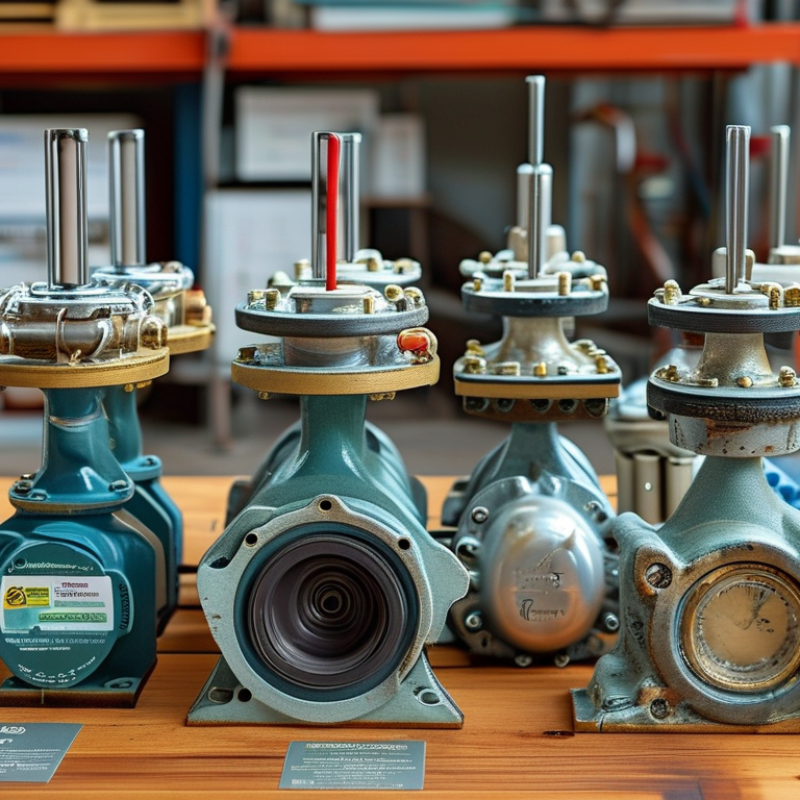
What Is an HVAC Oil Pump and Why Does Supplier Quality Matter?
An HVAC oil pump circulates lubricating oil inside a compressor. It protects bearings, reduces friction, and supports stable oil pressure during demanding cycles. In screw and semi-hermetic compressors, poor oil flow can cause overheating, metal wear, and unexpected shutdowns. Small pressure changes matter.
Supplier quality matters because an oil pump is not merely a low-cost replacement part. The IEA’s The Future of Cooling report states that cooling energy demand could more than triple by 2050. More operating hours will increase pressure on compressor components. A dependable China HVAC oil pump supplier should control machining tolerances, sealing materials, cleanliness, and motor performance. Each batch should have pressure, flow, insulation, and endurance records. Traceability is essential.
Look for suppliers who explain their testing process clearly. Ask for dimensional reports, material certificates, failure analysis, and sample data from continuous operation. A pump may pass a short bench test yet fail after months of vibration. That uncomfortable possibility deserves attention. The ASHRAE Handbook emphasizes correct lubrication and oil return for compressor reliability. Supplier engineers should therefore check compatibility with refrigerant, oil viscosity, temperature range, and compressor speed. No supplier is flawless. A transparent corrective-action record is often more credible than perfect marketing claims. On-site audits, sealed packaging, and consistent inspection can reveal details that a polished catalogue cannot.
What Is the Best China HVAC Oil Pump Supplier? - What Is an HVAC Oil Pump and Why Does Supplier Quality Matter?
| Evaluation Dimension | Industry-Based Requirement or Reference Data | Why It Matters | Recommended Verification Evidence | Suggested Weight |
|---|---|---|---|---|
| Pump Function | A positive-displacement pump or other approved oil-pumping device designed to maintain compressor lubrication and oil circulation. | Stable oil delivery helps protect bearings, gears, shafts, and other moving compressor components. | Technical drawing, operating principle, pump curve, and application declaration. | 15% |
| Flow Capacity | The required flow depends on compressor size, oil viscosity, speed, pressure differential, and lubrication design; it should be selected from measured performance data rather than a nominal flow figure alone. | Insufficient flow can cause wear, while excessive flow may increase power consumption or disturb oil balance. | Flow-versus-speed and flow-versus-pressure test curves using the intended oil viscosity range. | 12% |
| Pressure Differential | The pump must meet the compressor manufacturer’s required oil-pressure differential across the complete operating envelope. | Oil pressure that is too low may trigger protection shutdowns or cause lubrication failure. | Pressure test reports at minimum, rated, and maximum operating conditions. | 12% |
| Oil and Refrigerant Compatibility | Wetted materials and seals should be compatible with the specified lubricant, refrigerant, additives, and expected temperature range. Mineral, alkylbenzene, POE, PAG, and other oils are not automatically interchangeable. | Chemical incompatibility can cause seal swelling, hardening, leakage, corrosion, or loss of lubrication performance. | Material list, compatibility statement, seal specification, and refrigerant/oil application matrix. | 15% |
| Temperature Capability | The rated oil, housing, seal, and motor temperatures must cover the equipment’s actual suction, discharge, ambient, and oil-temperature conditions. | Temperature excursions can reduce oil viscosity, accelerate seal aging, and increase leakage or wear. | Published operating-temperature limits and thermal test records. | 8% |
| Dimensional and Interface Accuracy | Mounting dimensions, shaft geometry, ports, rotation direction, and electrical interfaces must match the target compressor or oil-management assembly. | Even a hydraulically suitable pump may fail if it cannot be installed or aligned correctly. | Controlled drawings, dimensional inspection reports, fit-check samples, and first-article approval. | 10% |
| Leakage and Cleanliness Control | The pump should be cleaned, capped, and tested for external leakage; internal contamination should be controlled during assembly and packaging. | Particles, moisture, and assembly debris can damage bearings, restrict passages, or degrade refrigeration-system reliability. | Leak test records, cleaning procedure, contamination-control plan, and packaging specification. | 10% |
| Quality Management | A documented quality system should control incoming materials, machining, assembly, calibration, nonconformities, and traceability. | Process control reduces variation between batches and makes corrective actions verifiable. | Current quality-system certificate, process flow, inspection plan, calibration records, and corrective-action examples. | 8% |
| Performance Testing | Routine testing should cover output, pressure, current or power consumption where applicable, noise or vibration, leakage, and rotation direction. | Testing confirms that production units meet the approved design instead of relying only on visual inspection. | Sample test certificate, test-bench capability, acceptance criteria, and serial-number traceability. | 5% |
| Documentation and Support | A qualified supplier should provide datasheets, installation instructions, maintenance guidance, spare-part information, and responsive technical support. | Accurate documentation reduces installation errors and shortens troubleshooting time. | Document review, response-time assessment, warranty terms, and change-notification procedure. | 5% |
| Total Supplier-Selection Weight | 100% | |||
Note: HVAC oil-pump requirements vary by compressor design, lubricant, refrigerant, operating speed, and system architecture. The final selection should be confirmed against the equipment manufacturer’s specification and validated through application testing.